6.8 SPC suppressors, in stock. 6.8 SPC was the original attempt to give the AR-15 more terminal punch than 5.56 without moving to a larger rifle, and it still does that job well. Suppressing one is straightforward, because the bullet is small enough that almost any rifle can covers it.
6.8 SPC fires a .277 inch bullet, so any dedicated 6.8 suppressor and any .30 caliber can will run it safely. For most owners the .30 caliber route is the better buy, and the guide below explains why, along with the gas tuning that every suppressed AR-15 needs.
Browse the full caliber index or the wider rifle suppressor range.
.30 Cal
.30 Cal
.30 Cal
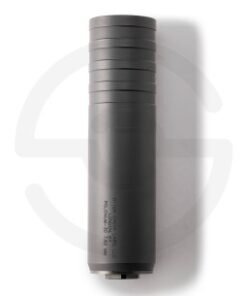
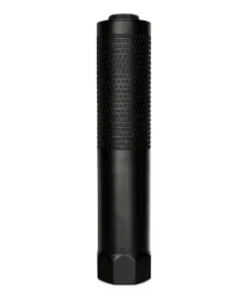
.30 Cal
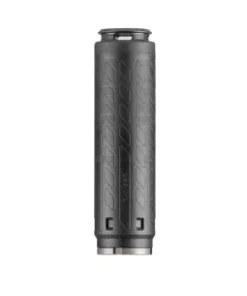
Bore sizing for 6.8 SPC
6.8 SPC uses a .277 inch bullet, which sits between 6.5 Creedmoor's .264 and .308. That places it comfortably inside the bore of any .30 caliber suppressor.
| Suppressor | Runs 6.8 SPC? | Notes |
|---|---|---|
| Dedicated 6.8 or .277 | yes | closest fit, a few decibels quieter |
| .30 caliber | yes | the versatile choice, covers the whole safe |
| .338 rated | yes | works, more gas escapes past the bullet |
| 5.56 dedicated | NO | bore is .224, far too small |
A dedicated .277 can buys you a slightly tighter bore and a few decibels. A .30 caliber can covers 6.8 SPC plus .308, .30-06, 6.5 Creedmoor, 300 Blackout, 6mm ARC, .223 and 5.56 on one tax stamp. Unless this rifle keeps the suppressor permanently, the .30 caliber can is the better purchase, and it is the reason our .30 caliber shelf is the largest one we carry.
Nothing here covers 8.6 Blackout, which fires a .338 bullet and needs its own .338 rated suppressor.
Gas tuning, because it is still an AR-15
Every suppressed gas gun behaves the same way and 6.8 SPC is no exception. The suppressor raises pressure at the muzzle, that pressure travels back down the gas tube, and the rifle cycles on more gas than it was set up for.
You will see the bolt unlocking earlier, brass thrown hard and forward, gas coming back out of the ejection port and charging handle, faster fouling and a harsher recoil impulse. It is not a defect, it is what back pressure does.
Three fixes, and most owners use two. An adjustable gas block meters gas at the source and is the only one that treats the cause. A heavier buffer, H2 or H3, slows the carrier and costs very little. A low back pressure or flow through suppressor vents gas forward instead of stacking it behind the bullet, trading a few decibels for a much cleaner shooting experience on a semi automatic rifle.
Barrel length and threads
6.8 SPC is usually built on 16 to 20 inch barrels, where it delivers the mid range hunting performance the cartridge was designed for. Shorter barrels exist and cost velocity quickly, since the cartridge relies on speed rather than bullet mass.
Threading is commonly 5/8x24 on 6.8 barrels, matching .30 caliber rifles, though some lighter barrels use 1/2x28. Confirm before ordering. If you plan to move one can across several rifles with different pitches, a quick detach system solves it cleanly by fitting the correct muzzle device to each host.
What suppressing 6.8 SPC actually gives you
Realistic expectations first. 6.8 SPC is a supersonic cartridge, so a suppressed rifle is hearing safe and far more comfortable, typically dropping from roughly 165 decibels to the low to mid 130s at the ear, and the bullet still cracks downrange where no suppressor can reach.
What you gain is worth having anyway. The blast and concussion largely disappear, which matters on a hunting rifle fired without ear protection. Muzzle rise is damped by the extra weight, so you stay in the scope and can spot your own impacts. And on a property with neighbours or livestock, a suppressed rifle is simply better behaved.
If genuine quiet is the goal, 6.8 SPC is the wrong cartridge for it. The same AR-15 lower will take a 300 Blackout upper, which carries roughly 500 ft lbs subsonic with no sonic crack at all. Our subsonic ammunition and suppressor range covers that route.
Zero and point of impact
Fitting a suppressor moves point of impact, usually half to one and a half minutes of angle, and adds roughly 15 to 40 fps of muzzle velocity. Both are fine as long as they repeat, which depends on the mount rather than the can.
Zero suppressed with the load you actually hunt with, record the unsuppressed offset, and reconfirm on paper after cleaning. Model the result in our ballistics calculator rather than adjusting published drop figures by eye.
Frequently asked questions about 6.8 SPC suppressors
Can I use a .30 caliber suppressor on 6.8 SPC?
Yes. 6.8 SPC fires a .277 inch bullet, comfortably smaller than a .30 caliber bore. You lose a few decibels against a dedicated .277 can and gain a suppressor that covers most of your rifles.
Can I use a 5.56 suppressor on 6.8 SPC?
No. A dedicated 5.56 can has a .224 bore, far smaller than the .277 bullet. It will cause a baffle strike. Never fit one.
Is a dedicated 6.8 suppressor worth buying?
Only if the can stays on this rifle. The gain is a few decibels and a little weight, against a .30 caliber can that covers your whole safe on one stamp.
Why does my rifle gas me in the face when suppressed?
Back pressure from the suppressor pushes extra gas back through the action. Fit an adjustable gas block, run a heavier buffer, or choose a low back pressure suppressor design. Many owners do two of the three.
How quiet is a suppressed 6.8 SPC?
Hearing safe and much more pleasant, typically the low to mid 130s in decibels at the ear. Not quiet, because the bullet is supersonic and cracks downrange whatever you fit.
Is there subsonic 6.8 SPC?
Not in any meaningful factory selection. The cartridge was designed around velocity, and downloading it produces a round with little energy that will not cycle a rifle. For quiet from an AR-15, 300 Blackout is the cartridge built for the job.
What barrel length suits a suppressed 6.8?
16 to 20 inches. 6.8 SPC relies on velocity, so short barrels give away performance quickly, and the suppressor adds length on top of whatever you choose.
Will a suppressor change my zero?
Yes, commonly half to one and a half minutes of angle, plus roughly 15 to 40 fps more muzzle velocity. Zero with the can fitted and record the unsuppressed offset separately.