5.56 and .223 suppressors, in stock. This is the caliber that gets shot the most and treated the worst. A 5.56 can lives on short barrels, sees high round counts, gets hot and rarely gets cleaned, so the specifications that matter here are the durability ones: full auto rating, minimum barrel length and how the can handles sustained fire.
5.56 NATO and .223 Remington both fire a .224 inch bullet, so a dedicated 5.56 can and any larger bore suppressor will run them. The guide below covers the real trade between the two, plus first round pop, short barrel blast and what high volume shooting does to a suppressor.
Pair it with our .223 and 5.56 ammunition, including 150 round buckets, or browse the full caliber index.
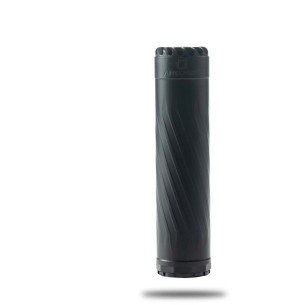
.30 Cal Suppressors
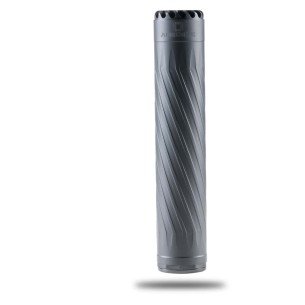
.30 Cal Suppressors
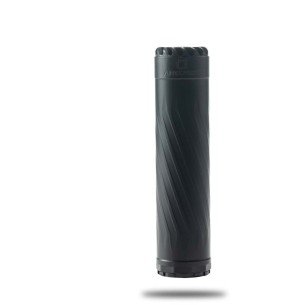
.30 Cal Suppressors
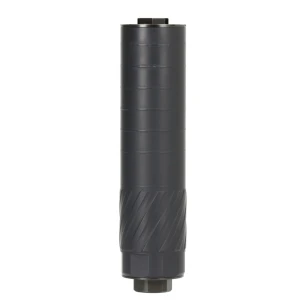
.30 Cal Suppressors
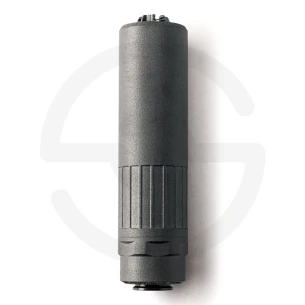
.30 Cal Suppressors
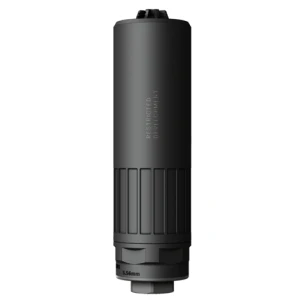
.300 Blackout Suppressors
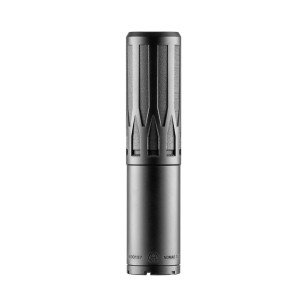
.30 Cal Suppressors
.30 Cal Suppressors
.30 Cal Suppressors
.30 Cal Suppressors
.30 Cal Suppressors
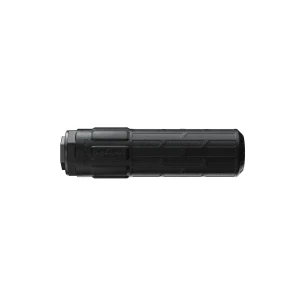
.30 Cal Suppressors
Ratings that actually matter on 5.56
5.56 is the caliber most likely to be shot hard, so the durability specifications carry more weight here than the sound figure. Pair it with a quiet load from our blackout ammo range.
Full auto rating. Even for semi automatic shooters this is a useful proxy for build quality, because a can built to survive automatic fire will shrug off fast semi automatic strings without complaint. Stellite, Inconel and stainless blast baffles live in this category. Lightweight titanium 5.56 cans usually are not full auto rated, and that is a deliberate trade rather than a defect.
Minimum barrel length. This is the one people ignore and should not. A 10.5 inch 5.56 barrel has not finished burning its powder when the bullet exits, so muzzle pressure and temperature are dramatically higher than on a 16 inch barrel. Many suppressors are rated to 10.5 or 11.5 inches, some only to 14.5, and running a short barrel through an unrated can is the fastest way to erode a blast baffle.
Sustained fire rating. Check how many rounds the maker allows before a cooling period. If you shoot classes or courses of fire, this number matters more than three decibels.
Gas in the face, and how to fix it
Suppressing an AR-15 raises back pressure, which pushes gas back down the gas tube and out of the ejection port and charging handle. On a short barrelled 5.56 this is at its worst, because the rifle is already over gassed by design to guarantee reliability.
The fixes are the same three as on any gas gun, and they work in this order. An adjustable gas block meters gas at the source and is the proper solution. A heavier buffer, H2 or H3, slows the carrier and takes the edge off for very little money. A low back pressure suppressor, sometimes called flow through, vents gas forward instead of stacking it behind the bullet, trading a few decibels for a dramatically cleaner shooting experience. On a 5.56 carbine that trade is usually worth making.
Frequently asked questions
Is a 5.56 suppressor the same as a .223 suppressor?
Yes, for buying purposes. Both cartridges fire a .224 inch bullet, and manufacturers use the names interchangeably in suppressor listings. Buy the one rated for 5.56, since it is the higher pressure of the two.
Can I use a .30 caliber can on 5.56?
Yes, safely. You give up more sound performance here than on any other caliber, because the oversized bore lets a lot of gas past a small bullet, and you add weight to your lightest rifle. Many people accept both trades to cover the whole safe with one purchase.
What is first round pop?
The first shot through a cold suppressor is louder because the oxygen inside the can ignites along with the muzzle gas. Once that oxygen is burned out, following shots are quieter. It affects 5.56 more than most calibers and no design removes it completely.
Do I need a full auto rated suppressor for semi automatic shooting?
Not strictly, but it is a useful durability indicator. A full auto rated can handles fast semi automatic strings and hot ranges without stress. A light titanium can is a better carry choice and a worse choice for volume.