Hunting suppressors, in stock. A hunting can is bought on a different set of priorities from a range can. Weight matters, because you carry it all day. Length matters, because you move through cover with it. Cold bore behaviour matters, because the first shot is usually the only shot. Peak sound reduction, the number everyone quotes, matters less here than in almost any other use.
Everything on this shelf is chosen with that in mind. The guide below covers the trades that actually decide a hunting purchase, plus the legal point that catches people out: suppressor ownership and suppressor hunting are governed separately, and by your state rather than by federal law.
Pair it with an expanding load from the caliber index, or read the subsonic ammunition and suppressor guide if quiet is the priority.
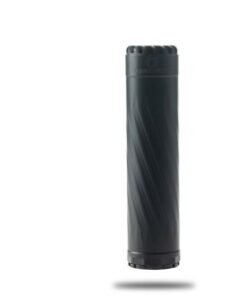
.30 Cal
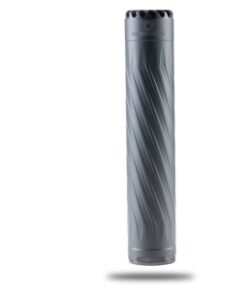
.30 Cal
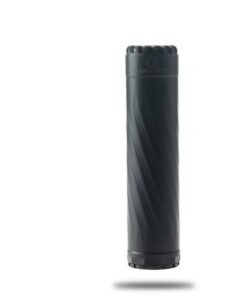
.30 Cal
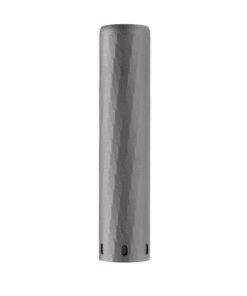
.30 Cal
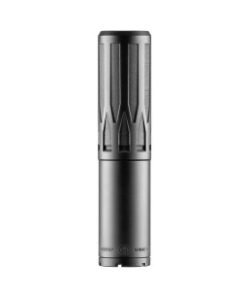
.30 Cal
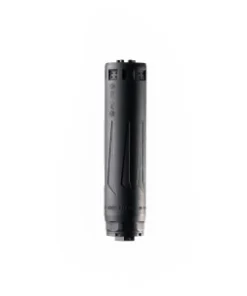
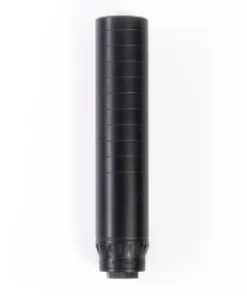
.30 Cal
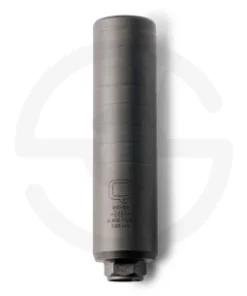
.30 Cal
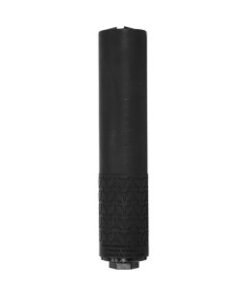
.30 Cal
Check your state law before you buy
Two separate questions, and people routinely conflate them.
Can you own a suppressor? Federally regulated, legal for private ownership in most states through the usual Form 4 process, tax stamp and wait.
Can you hunt with it? Decided by your state wildlife agency, and occasionally by species or by season. The large majority of states that allow ownership also allow hunting, but not all, and rules do change.
Confirm with your own state wildlife agency before the season rather than after. It is a five minute check and it is the only part of this page that can cost you a citation.
Weight is the specification that decides it
On a bench, an extra six ounces is nothing. On the eighth mile of a hill, it is the difference between a rifle you carry ready and one slung on your back when the shot appears.
Titanium is the default answer for hunting. It saves several ounces over stainless for the same internal volume, and it saves them at the muzzle, which is the worst place on a rifle to carry weight. The trade is that titanium sheds heat slowly and is generally not rated for sustained rapid fire. For a rifle that fires three rounds in a season, that trade costs you nothing.
Stainless and Inconel are heavier and tougher. Buy them if the same rifle also does high volume work, or if you shoot a magnum where heat is a genuine factor.
Compact cans give up a few decibels for several inches and a few ounces. On a hunting rifle that is almost always the right trade, because a shorter can is easier to move with in cover and easier to keep out of the dirt.
Cold bore and first round pop
Hunting is the one discipline where the first shot from a cold suppressor is the shot that matters, so it deserves attention.
A cold can holds a volume of air. The fuel rich gas arriving from the muzzle ignites that oxygen inside the suppressor, adding a small extra report. This is first round pop, and it means your first shot of the day is measurably louder than the ones after it.
No design removes it completely, though some reduce it. What matters practically is that you know it exists, and that your zero was confirmed with a cold bore and a cold can rather than after a warm string on the range.
Zero, and the discipline that goes with it
Fitting a suppressor shifts point of impact, usually half to one and a half minutes of angle. That shift is fine as long as it repeats, which is a question about the mount rather than the can.
The hunting routine is simple. Zero with the suppressor fitted, using the exact ammunition you will hunt with. Record the unsuppressed offset in case you ever need to shoot without it. Reconfirm on paper after any strip, clean or travel, and reconfirm again if you swap loads. Expect suppressed muzzle velocity to run 15 to 40 fps higher than bare muzzle, which matters at range, and model it in our ballistics calculator.
Why hunters suppress in the first place
Hearing is the obvious one. A hunting rifle is usually fired without ear protection, which is precisely the situation that causes permanent damage, and a single unsuppressed magnum shot is enough to do it.
The less obvious reasons are often what sell it.
Recoil. A suppressor removes 20 to 30 percent of felt recoil on a heavy cartridge, which for many shooters means the flinch goes away and groups shrink.
Follow up shots. Less blast and less muzzle rise means you stay in the scope and see the impact, so a second shot is possible when it was not before.
Not clearing the property. On a hog or depredation shoot, an unsuppressed shot moves every animal for a mile. A quiet one often does not, and that changes what an evening is worth.
Dogs and neighbours. Both appreciate it more than they will ever say.
Quiet enough to matter needs subsonic ammunition
A suppressor removes muzzle blast. It cannot remove the sonic crack of a supersonic bullet, which is generated the whole way downrange. A suppressed .308 or 6.5 Creedmoor is hearing safe and comfortable, and it is not quiet.
If genuine quiet is what you want in the field, it takes a cartridge built for it. 300 Blackout carries roughly 500 ft lbs subsonic from a light AR-15. 8.6 Blackout carries 700 to 840 ft lbs behind a .338 bullet, which is the answer for game larger than a 300 Blackout comfortably handles. Both are woods cartridges: effective inside about 150 yards, after which trajectory rather than energy ends it.
Whichever you choose, the bullet has to be built to expand at 1,050 fps. Match and FMJ subsonic loads frequently pass straight through without upsetting, and that is a poor outcome on an animal.
Frequently asked questions about hunting suppressors
Is it legal to hunt with a suppressor?
In most states that allow suppressor ownership, yes, but it is decided at state level and occasionally varies by species or season. Confirm with your own state wildlife agency before you hunt.
Titanium or stainless for hunting?
Titanium, almost always. The weight saving sits at the muzzle where it is felt most, and the slower heat shedding is irrelevant on a rifle that fires a handful of rounds a season.
Will a suppressor change my zero?
Yes, typically half to one and a half minutes of angle. Zero with the can fitted and the ammunition you will hunt with, and record the unsuppressed offset separately.
Does a suppressor affect my cold bore shot?
It adds first round pop, where oxygen inside a cold can ignites and makes the first shot louder. Confirm your zero from a cold bore with a cold suppressor, since that is the shot that counts.
Is a suppressed hunting rifle actually quiet?
Only with subsonic ammunition. With standard supersonic hunting loads it is hearing safe and far more comfortable, but the bullet still cracks downrange. Genuine quiet needs a cartridge like 300 Blackout or 8.6 Blackout.
How much recoil does a suppressor remove?
Commonly 20 to 30 percent of felt recoil, plus the damping effect of extra muzzle weight. On heavier cartridges this often improves accuracy simply because the shooter stops flinching.
What length suppressor for a hunting rifle?
A compact can, giving up a few decibels for several inches and a few ounces. A shorter suppressor is easier to move with in cover and much easier to keep clear of the ground.
What is the best cartridge for suppressed hunting?
Inside 150 yards and suppressed, an expanding subsonic 8.6 Blackout or 300 Blackout. At normal hunting distances, .308, 6.5 Creedmoor or .30-06 with a compact can. The right answer follows the distance you actually shoot.