Subsonic ammunition, every caliber we load it in. This shelf is the ammunition only. If you want the cartridges and the suppressors together, with the full explanation of how the two work as a pair, start at subsonic ammunition and suppressors.
Subsonic means a muzzle velocity under roughly 1,125 fps, the speed of sound. Stay below it and the bullet produces no sonic crack, which is the half of the noise a suppressor physically cannot remove. Everything on this page is loaded to sit safely under that line with margin for a hot day.
Shop by cartridge: 8.6 Blackout, 300 Blackout, .45 ACP, or see all of it in the caliber index.

How to read a subsonic load
Three numbers tell you what a subsonic cartridge will do, and they are not the ones people usually look at.
Velocity should sit between roughly 1,000 and 1,080 fps. That is deliberate. The sound barrier is near 1,125 fps and it moves with temperature and altitude, so a load sitting at 1,110 fps in winter can go supersonic on a summer afternoon and crack when you least want it to. Margin is a feature, not a shortfall.
Bullet weight is where all the energy comes from. Velocity is capped by physics, so mass is the only variable left, which is why subsonic loads use projectiles far heavier than the same cartridge's supersonic offerings.
Bullet construction decides whether the round works on anything living, and it is covered below because it is the thing people get wrong.
What each cartridge carries
| Cartridge | Subsonic weights | Energy | Platform |
|---|---|---|---|
| 8.6 Blackout | 285gr to 342gr | roughly 700 to 840 ft lbs | AR-10, bolt, lever |
| 338 ARC | 250gr to 307gr | roughly 570 to 700 ft lbs | AR-15 |
| 300 Blackout | 190gr to 220gr | roughly 500 ft lbs | AR-15 |
| .45 ACP | 230gr standard | roughly 370 ft lbs | pistol, carbine |
| 9mm 147gr | 147gr and heavier | roughly 290 ft lbs | pistol, carbine |
Every one of those arrives at the target at roughly the same speed. The differences in the energy column come entirely from how much bullet is moving, which is the single idea behind the whole category.
Note the two pistol entries. .45 ACP and heavy 9mm have been subsonic since long before anyone designed a cartridge for it, which is why they suppress so well without any special ammunition.
The construction question
This is the most important thing on the page for anyone hunting, and the most common mistake.
At 1,050 fps there is very little velocity available to drive a bullet to expand. Ordinary cup and core projectiles, and every match or FMJ design, frequently pass straight through an animal without upsetting at all. The shot is quiet, the group on paper was excellent, and the terminal result is poor.
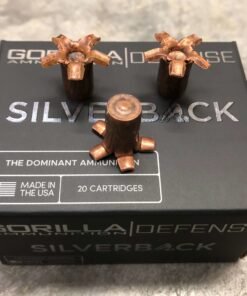
Loads built for the job solve it two ways. Soft alloys with deep hollow points open at low velocity. Solid copper fracturing designs come apart using rotational energy instead, which is where the extreme twist rates of the Blackout cartridges earn their keep: a 342 grain bullet from a 1:3 barrel spins past 250,000 rpm, and a projectile engineered for that separates on impact regardless of how slowly it is travelling.
So when you are choosing between two subsonic loads of the same weight, the question is never the grain number. It is what the bullet was designed to do at 1,050 fps. Match and FMJ subsonics are excellent for practice, gas tuning and load development, and the wrong choice for game.
Making it cycle
Subsonic ammunition produces less gas than supersonic, which is a problem for semi automatic rifles that need that gas to work. Fit a suppressor and back pressure pushes the other way. Balancing the two is the practical work of running a suppressed semi auto.
The usual answer is an adjustable gas block, set to cycle subsonics reliably with the can fitted, plus a matched buffer weight. Most owners tune for suppressed subsonic use and accept the rifle is over gassed with supersonics, since that is the easier direction to live with.
Bolt actions, lever actions and pistols with fixed barrels sidestep all of it. Nothing needs to cycle on gas, so any subsonic load works every time. It is a large part of why manually operated rifles are popular with people who shoot subsonic seriously.
Range, and the limit that actually applies
Subsonic loads are woods cartridges. What ends the conversation is trajectory, not energy.
A subsonic load drops roughly 33 inches at 200 yards from a 100 yard zero. That is a steep enough curve that small range estimation errors turn into clean misses, which is why 150 yards is the sensible practical ceiling for hunting regardless of how much energy the round still carries.
Model your exact load, barrel and zero in our ballistics calculator rather than working from a generic holdover chart.
Storage and magazine discipline
Once you own both kinds, keeping them apart stops being optional. Subsonic and supersonic will not share a zero, and the difference is several inches. Worse, a supersonic round fired expecting a subsonic one is a loud surprise that defeats the point of the whole setup.
Label your magazines, store the two separately, and check before loading. And if you own a 5.56 rifle alongside a 300 Blackout, never let those two share a bag: a 300 Blackout round will chamber in a 5.56 rifle and firing it can destroy the rifle.
Frequently asked questions about subsonic ammunition
What makes ammunition subsonic?
A muzzle velocity below roughly 1,125 fps, the speed of sound. That figure shifts with temperature and altitude, which is why loads are built at 1,000 to 1,080 fps rather than right at the line.
Do I need a suppressor to shoot subsonic?
No, and subsonic ammunition is noticeably quieter than supersonic even unsuppressed because there is no sonic crack. It is still loud at the muzzle and still needs hearing protection. The two together is where the real quiet comes from.
Which caliber has the best subsonic performance?
8.6 Blackout, carrying 700 to 840 ft lbs behind a .338 bullet. 300 Blackout is the accessible alternative at roughly 500 ft lbs from a standard AR-15.
Is subsonic ammunition good for hunting?
Yes, inside about 150 yards and with a bullet built to expand or fracture at 1,050 fps. Match and FMJ subsonics will pass straight through without upsetting and should be kept for practice.
Will subsonic ammunition cycle my rifle?
Only with the right setup. Semi automatics usually need an adjustable gas block and a matched buffer, especially with a suppressor fitted. Bolt and lever actions cycle any load without adjustment.
Why is subsonic ammunition more expensive?
Heavy projectiles cost more, purpose built low velocity expanding and fracturing bullets cost more again, and production volumes are smaller than for standard loads.
Can any cartridge be loaded subsonic?
Physically yes, usefully no. Light bullets carry almost no energy at 1,050 fps, which is why subsonic .223 is a poor idea. The cartridges that work are the ones designed around heavy bullets.
How do I know a load is really subsonic?
Chronograph it in the conditions you will shoot in. A load at 1,100 fps on a cool morning can cross the sound barrier on a hot afternoon, and the crack is the first you will know about it.