Suppressors, in stock and ready for your Form 4. If this is your first one, start here. A suppressor is a legal, ATF regulated muzzle device that traps expanding gas and cuts the report of a gunshot, and owning one in most US states is a matter of paperwork and patience rather than special permission.
Below you will find our full range, from lightweight titanium hunting cans to hard use stainless designs. The guide underneath the products explains what a suppressor actually does to sound, what your rifle needs before one will fit, and exactly how the buying process works from order to collection.
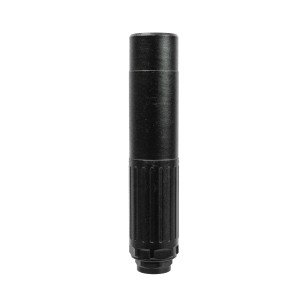
.30 Cal Suppressors
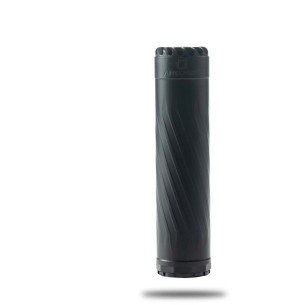
.30 Cal Suppressors
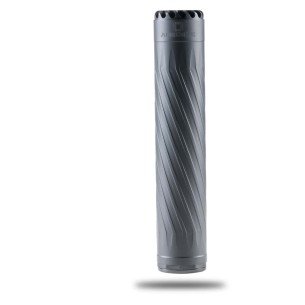
.30 Cal Suppressors
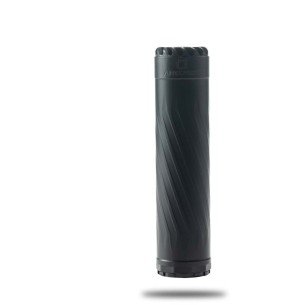
.30 Cal Suppressors
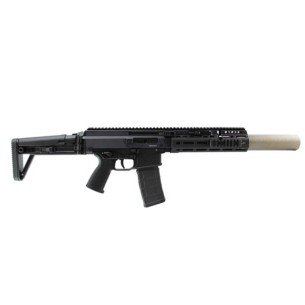
.300 Blackout Suppressors
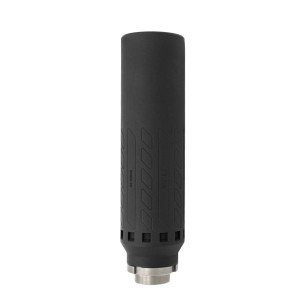
.30 Cal Suppressors
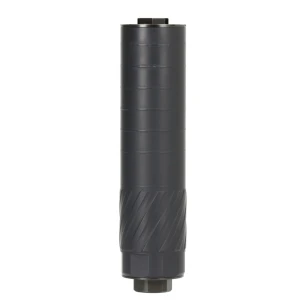
.30 Cal Suppressors
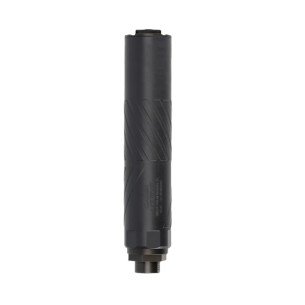
.300 Blackout Suppressors
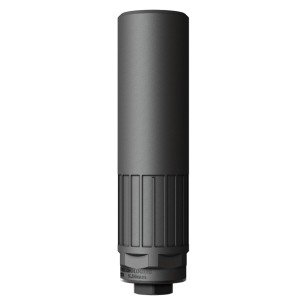
.30 Cal Suppressors
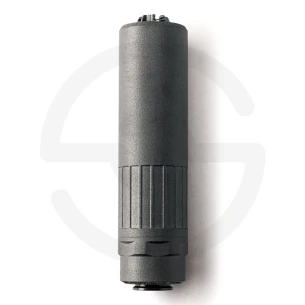
.30 Cal Suppressors
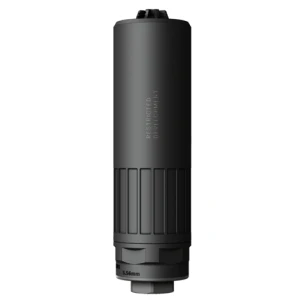
.300 Blackout Suppressors
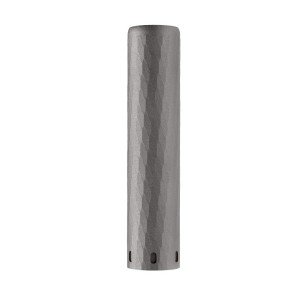
.30 Cal Suppressors
What a suppressor actually does
A suppressor does not make a firearm silent. It gives the propellant gas somewhere to expand and cool before it leaves the muzzle, which removes most of the blast. Unsuppressed centerfire rifle fire runs well above the level at which hearing damage begins, and a good suppressor typically takes 20 to 35 decibels off that. Because the decibel scale is logarithmic, that is an enormous practical difference rather than a modest one.
What a suppressor cannot do is silence a supersonic bullet. Anything travelling faster than roughly 1,125 fps produces a sonic crack downrange, and no muzzle device can remove it. That is why the quietest setups pair a suppressor with subsonic ammunition, and why cartridges designed around subsonic loads have become so popular.
How buying a suppressor works
Suppressors are legal for civilians in most US states and are regulated federally under the National Firearms Act. The process is well established and your dealer will walk you through it.
| Step | What happens |
|---|---|
| 1. Choose and pay | you buy the suppressor, it stays with the dealer |
| 2. ATF Form 4 | application submitted with fingerprints and photo |
| 3. Tax stamp | a 200 dollar federal transfer tax |
| 4. Background check | ATF processes the application |
| 5. Approval | stamp issued, you collect the suppressor |
Wait times have varied enormously in recent years, so ask your dealer what current processing looks like rather than trusting older figures online. Check your own state and local law before ordering, since a small number of states prohibit civilian ownership outright. The ATF publishes the current forms and requirements.
Choosing between the options
Bore diameter. A .30 caliber can suppresses everything up to .308, including 5.56 and rimfire, which is why it is the usual first purchase. Browse the .30 cal range if you want one suppressor to cover several rifles.
Materials. Titanium is light and ideal for hunting. Stainless and Inconel are heavier and take far more heat and abuse, which matters for volume shooting and very short barrels.
Mount. Direct thread is lighter, cheaper and shorter. Quick detach costs weight and money and lets you move one can between rifles in seconds.
Length. Sound reduction comes from internal volume, so quieter usually means longer. Compact cans trade a few decibels for several inches.
For rifle specific mounting and caliber advice, see our rifle suppressors range, and for the cartridge that suits suppression best, our 300 Blackout suppressors page.
Feeding a suppressed rifle
The suppressor is only half the system. To get genuinely quiet shooting you need subsonic ammunition, which stays under the sound barrier so there is no crack left after the blast is removed.
Our 300 Blackout ammo range covers 190gr to 220gr subsonic loads, the most practical entry point. The 8.6 Blackout loads range goes heavier, up to 342gr, for considerably more energy at the same sound level. You can compare what each delivers in our ballistics calculator. For loads to pair with a can, see Blackout ammo and the best subsonic calibers ranked.
Frequently asked questions
Are suppressors legal to own?
Yes, in most US states, subject to federal NFA regulation. A small number of states prohibit civilian ownership. Always confirm your own state and local law before ordering.
How quiet is a suppressed rifle really?
A good suppressor removes roughly 20 to 35 decibels. With subsonic ammunition the result is genuinely quiet, closer to a heavy mechanical noise than a gunshot. With supersonic ammunition the muzzle blast goes but the sonic crack remains.
Do I need a special licence?
No licence, but you do need an approved ATF Form 4, a 200 dollar tax stamp, fingerprints and a background check. The suppressor stays with your dealer until approval comes through.
Will one suppressor fit all my rifles?
Often yes, provided the bore is large enough for your largest calibre and each rifle is threaded correctly. A .30 caliber can with a quick detach mount is the most flexible common setup.