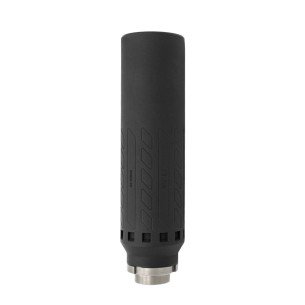
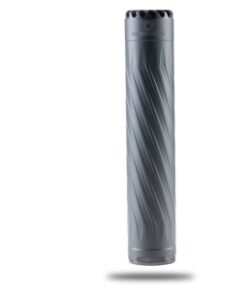
B&T XH-762. What follows is what actually matters before you buy: compatibility, the transfer process, and where this sits on price.
Specifications
| Type | Sound suppressor |
|---|---|
| Brand | B&T |
| Rated calibre | 7.62mm (.308) |
| Bore class | .30 calibre |
| Finish | Black |
| SKU | B&T-SD-145963 |
| Price | $1,050.00 |
The honest description
A suppressor reduces muzzle report by giving expanding gas somewhere to slow and cool before it leaves the muzzle. It does not make a rifle silent, and on supersonic ammunition it cannot remove the ballistic crack of the bullet itself. What it does deliver is a large reduction in the pressure wave at the shooter’s ear, less recoil, and the ability to hold a conversation on a firing line.
Bore class
This is a .30 calibre unit, which accepts .308 diameter and below. Never run a projectile larger than the rated bore. A baffle strike destroys the suppressor, can damage the host rifle and is genuinely dangerous.
Beyond decibels
Manufacturer decibel figures are measured under conditions that vary between companies, so comparing them across brands tells you less than it looks like it does.
Decide whether this stays on one rifle or moves between several. That single question decides direct thread versus a quick detach system more than anything else.
Budget
At $1,050.00 this is a premium option. You are generally paying for materials, machining tolerance and mounting systems rather than a dramatic difference in sound. Remember the 200 dollar tax stamp sits on top of the purchase price, and a mount may be extra.
How buying a suppressor works
Suppressors are transferred under the National Firearms Act. That means a registered dealer, an ATF Form 4, a 200 dollar tax stamp, fingerprints and photographs, and a wait that has varied from weeks to the best part of a year depending on the backlog and whether you file electronically. Suppressors are legal for civilian ownership in most states but prohibited in several, so confirm your own state before ordering. The regulator’s overview sits at the ATF.
Service and care
Maintenance depends on what you shoot. Pistol calibre cans accumulate lead and need periodic service, rifle cans usually do not. Never attempt to disassemble a sealed unit.
Related stock
Browse the suppressor range, 8.6 Blackout ammunition and 300 Blackout ammunition, or check what your setup delivers with the ballistics calculator.
Hearing and exposure
A suppressor removes most of the flinch inducing blast. That alone tends to improve shooting more than any accuracy claim the marketing makes.
What fitting one actually changes
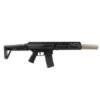
Overall length grows, which matters more in a blind or a vehicle than on a range. Measure your case before assuming the rifle still fits.
If this is your first suppressor
First suppressor? The process is: buy, we ship to your dealer, you file the Form 4 with them, you wait, you collect. The wait is the hard part, not the forms.
What it is made of
Weight is the specification most owners underestimate. Two cans a few ounces apart feel very different at the end of a barrel after a day of carrying.
Choosing well
Do not buy on decibel figures alone. Weight, length, mount and heat tolerance decide whether you actually enjoy using it.
Frequently asked questions
Do I collect this from you?
You collect from your chosen dealer once the transfer is approved, not from us directly.
Can I sell it later?
Yes, through another Form 4 transfer with its own tax stamp paid by the buyer.
What calibre is this rated for?
7.62mm (.308). Never run a projectile larger than the rated bore, since a baffle strike will destroy the unit and can injure the shooter.
Is this the current price?
Yes, $1,050.00 is current and this is held stock. Add the 200 dollar tax stamp when budgeting.
What if my barrel is not threaded?
It will need threading by a gunsmith before a suppressor can be fitted.
How long do suppressors last?
Properly used and within their rating, a well made centrefire can will outlast several barrels.
Does a suppressor improve accuracy?
Sometimes, sometimes not. It changes barrel harmonics, which can go either way. The reliable benefit is reduced blast and recoil, which improves the shooter.
Do I still need ear protection?
On most centrefire rifles yes. Suppression reduces the level substantially but usually not below the threshold where repeated exposure causes cumulative damage.
Can I use this on multiple rifles?
Yes, provided each host matches the bore rating and either the thread pitch or your chosen mounting system.
Does it work with a muzzle brake?
Quick detach systems mount over a compatible device. Direct thread units replace it.
| Brand | B&T |
|---|---|
| Caliber | 7.62mm (.308) |
| Finish | Black |
Be the first to review “B&T XH-762”
Related products
.30 Cal


300 Blackout Ammo
Blackout Ammunition .300 Blackout 110gr Hornady V-Max, 20 Round Box
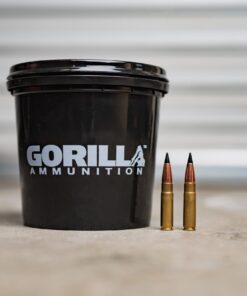
300 Blackout Ammo
Blackout Ammunition .300 Blackout 110gr Barnes TAC-TX, 160 Round Bucket
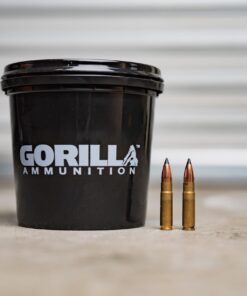


300 Blackout Ammo
Blackout Ammunition .300 Blackout 125gr Sierra MatchKing, 20 Round Box
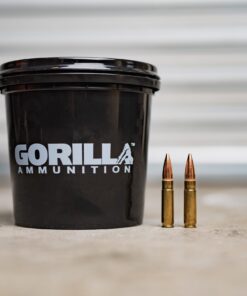
300 Blackout Ammo
Blackout Ammunition .300 Blackout 147gr FMJ, 160 Round Bucket
Reviews
There are no reviews yet.