6mm ARC suppressors, in stock. 6mm ARC exists to give an AR-15 real reach, and suppressing one is mostly a question about the gas system rather than about the can. Bolt guns simply get quieter. A gas gun changes how it cycles the moment you thread a suppressor on, and knowing that in advance saves a great deal of frustration.
6mm ARC fires a .243 inch bullet, so any 6mm suppressor and any .30 caliber can will run it safely. The buyer guide under the products covers back pressure, adjustable gas blocks, buffer weights and low back pressure designs, which are what decide whether the rifle is pleasant to shoot suppressed.
Pair it with our 6mm ARC ammunition, or browse the full caliber index.
.30 Cal
.30 Cal
.30 Cal
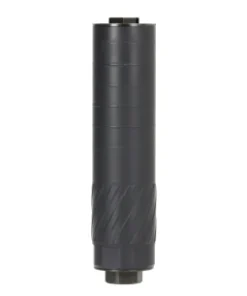
.30 Cal
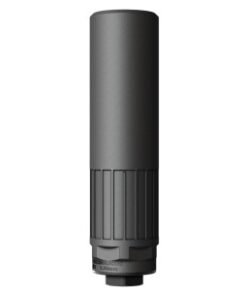
.30 Cal
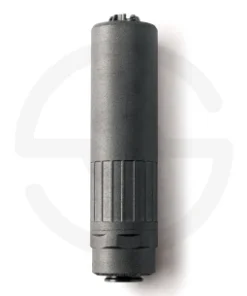
.30 Cal
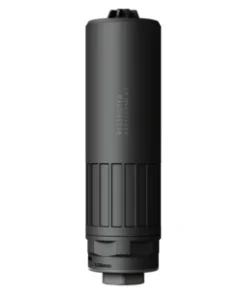
.300 Blackout
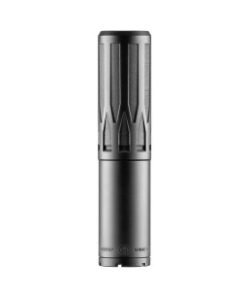
.30 Cal
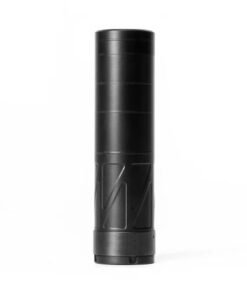
.300 Blackout
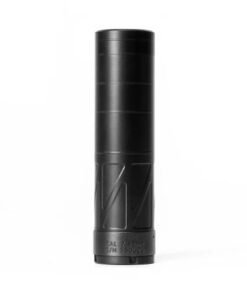
.30 Cal
.30 Cal
.30 Cal
What a suppressor does to an AR-15 gas system
This is the part nobody warns first time buyers about, and it applies to every gas operated rifle including 6mm ARC.
An unsuppressed AR vents muzzle gas into the air. Fit a suppressor and that gas has to travel through the baffle stack first, which raises pressure inside the can and sends a pressure wave back down the barrel and into the gas tube. The rifle then cycles on more gas than it was designed around. The consequences are consistent and predictable:
- The bolt unlocks earlier, while chamber pressure is still high
- Ejection gets violent and brass lands further forward, often at one o'clock
- Gas comes back out of the ejection port and the charging handle, into your face
- The rifle fouls faster and runs hotter
- Felt recoil increases rather than decreases, because the carrier is slamming harder
None of this is a fault in the suppressor. It is what happens when you add back pressure to a system tuned without it. There are three fixes, and most owners of a suppressed 6mm ARC use at least two.
The three fixes, in the order worth trying
| Fix | What it does | Cost and effort |
|---|---|---|
| Adjustable gas block | meters gas at the source, the root cause fix | moderate, usually needs the handguard off |
| Heavier buffer | slows the carrier, softens the cycle | cheap, five minute job |
| Low back pressure can | vents gas forward instead of back | a purchase decision, made once |
An adjustable gas block is the proper answer because it treats the cause. You dial the rifle down until it just reliably locks the bolt back on the ammunition you use, suppressed. The downside is fitting it, which usually means removing the handguard, and remembering to open it back up if you shoot unsuppressed.
A heavier buffer is the cheapest meaningful improvement and takes minutes. Moving from a carbine buffer to an H2 or H3 slows the carrier enough to calm ejection and reduce the worst of the blowback. It does not reduce the gas volume, so it treats the symptom rather than the cause, and on a badly over gassed rifle it will not be enough on its own.
A low back pressure suppressor, sometimes called a flow through design, routes gas forward rather than letting it stack up behind the bullet. These give up a few decibels against a conventional baffle stack of the same size and hand back most of the gas problem. On a semi automatic rifle that is usually the better trade, and it is why this design has taken over the AR market.
Dedicated 6mm bore or a .30 caliber can?
6mm ARC uses a .243 inch bullet, so a 6mm suppressor fits it closely and a .30 caliber can clears it with room to spare. The close fit is worth a few decibels and, in some designs, a little less weight.
For most buyers the .30 caliber can still wins, because it also covers .308, .30-06, 6.5 Creedmoor, 300 Blackout, .223 and 5.56 on the same tax stamp. A dedicated 6mm can only makes sense if this rifle keeps the suppressor permanently and you already own something else for the rest of the safe.
Neither will handle 8.6 Blackout, which fires a .338 bullet and needs its own .338 rated suppressor.
Barrel length, threads and weight
6mm ARC is usually built on 18 to 22 inch barrels, because the cartridge is bought for velocity retention at distance and it rewards the length. Most use 5/8x24 threading, matching .30 caliber rifles, which is convenient if you are moving one can across the safe. Confirm before ordering, since some lighter barrels use 1/2x28.
Weight deserves thought on an AR-15. The platform is light to begin with, so hanging a heavy full size can off an 18 inch barrel changes the balance considerably and makes the rifle feel muzzle heavy on the move. A compact or titanium can preserves the handling that made you choose an AR-15 rather than an AR-10.
Point of impact and distance shooting
6mm ARC is a reaching cartridge, frequently shot past 600 yards, so zero shift matters more than it does on a woods rifle. Every suppressor moves point of impact by changing barrel harmonics and adding muzzle weight, commonly half to one and a half minutes of angle.
The size of the shift is not the issue. Whether it repeats is. A quality mount returns to the same index every time, making the shift a constant you record once. Zero suppressed, note the unsuppressed offset, and reconfirm after cleaning.
Expect suppressed muzzle velocity to rise roughly 15 to 40 fps, which is worth real elevation at long range. Chronograph suppressed rather than adjusting published figures by eye, then rebuild your drop table in our ballistics calculator.
How quiet is a suppressed 6mm ARC?
Hearing safe and much more pleasant, typically dropping from around 165 decibels to the low to mid 130s at the ear. It is not silent. 6mm ARC is a supersonic cartridge by design, so the bullet cracks all the way downrange where no suppressor can reach it.
The gain that surprises people is not the decibel figure at all. It is being able to spot your own impacts through the scope because the blast and recoil impulse are damped, which on a long range AR is worth more than the sound reduction.
If genuine silence is the goal, this is the wrong cartridge and no can changes that. That job needs a purpose built subsonic round: 300 Blackout from the same AR-15 lower, or 8.6 Blackout for far more energy per quiet shot. Our subsonic ammunition and suppressor range covers that side of it.
Frequently asked questions about 6mm ARC suppressors
Can I use a .30 caliber suppressor on 6mm ARC?
Yes. 6mm ARC fires a .243 inch bullet, well under a .30 caliber bore, so it is safe. You lose a few decibels compared with a dedicated 6mm can and gain a suppressor that covers most of the rifles you own.
Why does my AR run worse with a suppressor fitted?
Back pressure. The can raises pressure at the muzzle, which pushes extra gas back through the gas tube, so the rifle cycles harder and dirtier and vents gas at your face. An adjustable gas block, a heavier buffer, or a low back pressure suppressor design will fix it, and many owners use two of the three.
Do I need an adjustable gas block?
Not always, but it is the only fix that treats the cause rather than the symptom. If you shoot suppressed most of the time and the rifle is ejecting brass hard forward and gassing you in the face, fit one.
What buffer weight should I run suppressed?
Moving from a standard carbine buffer to an H2 is the usual first step, with H3 for a badly over gassed rifle. Heavier buffers slow the carrier and calm the cycle, but they do not reduce gas volume, so pair one with gas metering if the rifle is still harsh.
Is a flow through suppressor worth the lost decibels?
On a semi automatic rifle, usually yes. You trade a few decibels for markedly less gas in the face, less fouling and a softer cycle. On a bolt gun there is no reason to make that trade, because back pressure does not matter.
Is a dedicated 6mm suppressor worth buying?
Only if the can lives on this rifle permanently. The gain is a few decibels and a little weight, against a .30 caliber can that covers your whole safe on one tax stamp.
How much velocity does a suppressor add on 6mm ARC?
Typically 15 to 40 fps, because the suppressor briefly acts as a barrel extension. Small at 300 yards, worth real elevation past 600, so chronograph suppressed and build your dope from measured numbers.
Will a suppressor hurt 6mm ARC barrel life?
Marginally, by trapping heat at the muzzle during high volume shooting. For hunting and normal range use the effect is not measurable. If you shoot long strings in matches, let the barrel and can cool between stages.