6.5 Creedmoor suppressors, in stock. This is the precision shooter’s caliber, and suppressing it is a different problem from suppressing a hunting rifle. You are shooting at distances where a quarter minute of repeatability matters, so mount quality and point of impact behaviour matter more here than raw decibel numbers.
6.5 Creedmoor fires a .264 inch bullet, which means a dedicated 6.5 can and any .30 caliber suppressor will both run it safely. The guide below covers which of those you actually want, and why the answer depends on how many rifles you own rather than on the cartridge.
Pair it with our 6.5 Creedmoor ammunition, or work through the full caliber index.
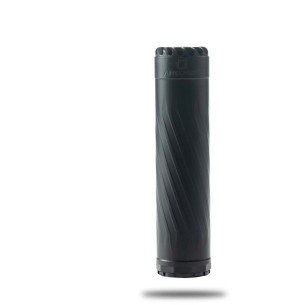
.30 Cal Suppressors
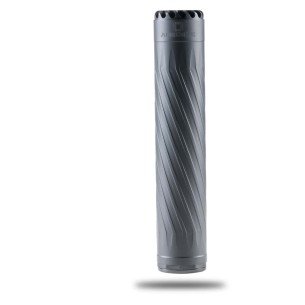
.30 Cal Suppressors
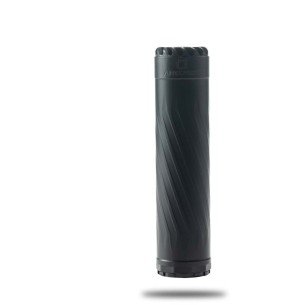
.30 Cal Suppressors
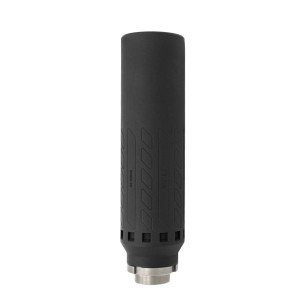
.30 Cal Suppressors
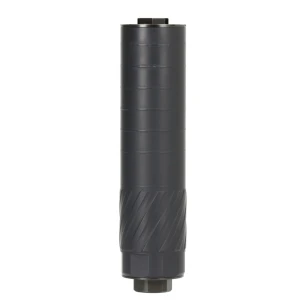
.30 Cal Suppressors
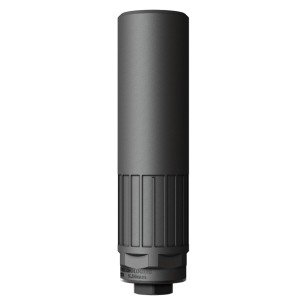
.30 Cal Suppressors
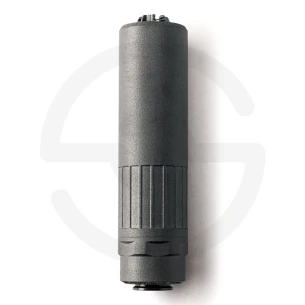
.30 Cal Suppressors
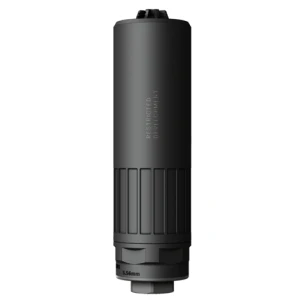
.300 Blackout Suppressors
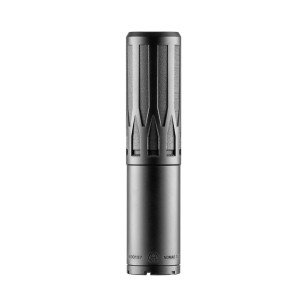
.30 Cal Suppressors
.30 Cal Suppressors
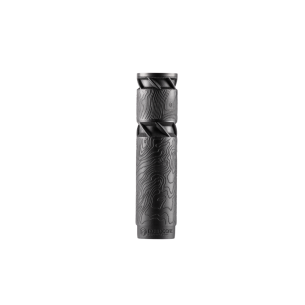
.30 Cal Suppressors
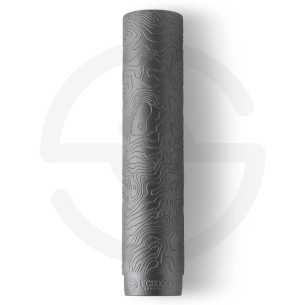
.30 Cal Suppressors
Dedicated 6.5 bore or a .30 caliber can?
This is the only real decision on this page, and it is worth getting right because a suppressor is a long term purchase. Pair it with our blackout ammo and read the best subsonic calibers guide.
A dedicated 6.5 suppressor has a bore sized close to the .264 bullet, so less gas escapes past the projectile on the way out. That buys you a few decibels and, in most designs, a slightly smaller and lighter can for the same internal volume. If this rifle is your precision rifle and it will wear this suppressor permanently, the dedicated bore is the better tool.
A .30 caliber suppressor gives up those few decibels and buys back enormous flexibility. It covers 6.5 Creedmoor, .308, .30-06, 300 Blackout, 6mm ARC, .223 and 5.56 from one purchase and one tax stamp. If you own several rifles, this is almost always the correct answer, and it is why the .30 caliber shelf is the largest one we stock.
| Dedicated 6.5 bore | .30 caliber can | |
|---|---|---|
| Sound on 6.5 Creedmoor | slightly quieter | a few decibels behind |
| Weight for the same volume | usually lighter | usually heavier |
| Other calibers covered | .264 and smaller only | everything up to .308 |
| Tax stamps needed | one per caliber group | one, covers the safe |
| Best for | a dedicated precision rifle | a mixed safe |
Neither will handle 8.6 Blackout. That cartridge fires a .338 bullet, larger than a .30 bore, and needs its own .338 rated suppressor.
Suppressed velocity and what it does to your dope
A suppressor acts as a short extension of the barrel, holding gas pressure behind the bullet marginally longer. On 6.5 Creedmoor this typically adds 15 to 40 fps at the muzzle.
That sounds trivial and it is, at 300 yards. At 1,000 yards, 30 fps is worth roughly half a minute of elevation, which is a full target height on some steel. If you shoot at distance, chronograph suppressed and build your dope from those numbers rather than adjusting the manufacturer's figures in your head.
Suppressor or muzzle brake, and why not both
Precision shooters usually arrive at a suppressor from a muzzle brake, and the comparison is worth stating plainly.
A brake reduces recoil hard and makes the rifle dramatically louder for everyone standing near it, particularly to the sides. A suppressor reduces recoil less, and reduces sound. On a 6.5 Creedmoor, which is not a punishing cartridge to begin with, most shooters find a suppressor gives them enough recoil reduction to spot their own impacts through the scope, which was the real reason for the brake in the first place.
Many quick detach systems mount onto a brake, so you can keep the brake for matches that require it and add the can for everything else. That combination is louder than a direct thread suppressor and is the standard compromise.
Frequently asked questions
Can I use a .308 suppressor on 6.5 Creedmoor?
Yes, and most people do. 6.5 Creedmoor fires a .264 bullet, comfortably smaller than a .30 caliber bore, so it is safe. You lose a small amount of sound performance and gain the ability to run the same can on every .30 caliber rifle you own.
Is a dedicated 6.5 suppressor worth it?
Only if this rifle keeps the can permanently. The gain is a few decibels and a little weight. If the suppressor will move between rifles, a .30 caliber can is the better purchase by a wide margin.
How much does a suppressor shift point of impact on 6.5 Creedmoor?
Commonly half to one and a half minutes of angle, varying by rifle, mount and barrel contour. The size of the shift matters far less than whether it repeats. Measure it once on a good mount and treat it as a known offset.
Will a suppressor improve my accuracy?
Often slightly, by damping barrel whip and removing muzzle blast disturbance at the crown. The larger practical gain is that a quieter, softer shooting rifle makes it easier to spot your own impacts and stay behind the scope.