.30 Cal
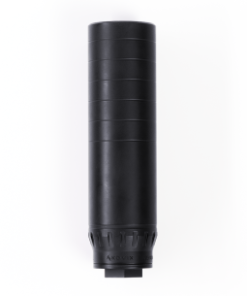
.30 Cal
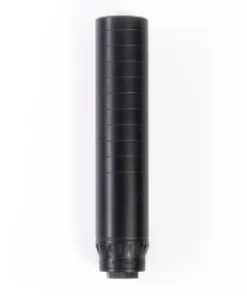
.30 Cal
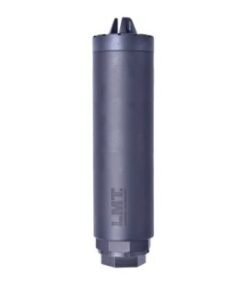
.30 Cal
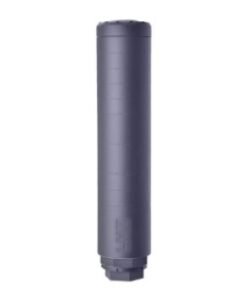
.30 Cal
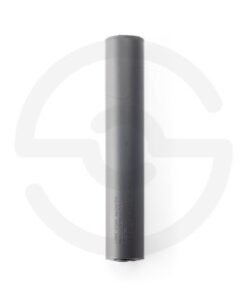
.30 Cal
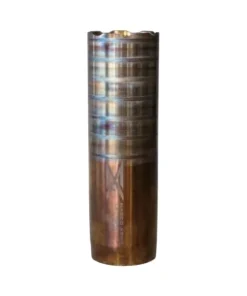
.30 Cal
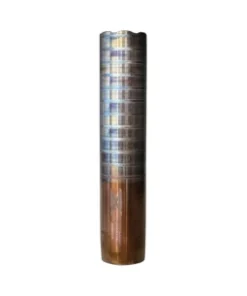
.30 Cal
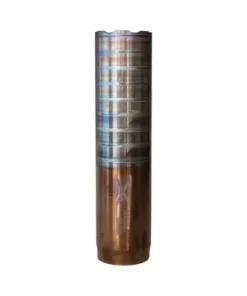
.30 Cal
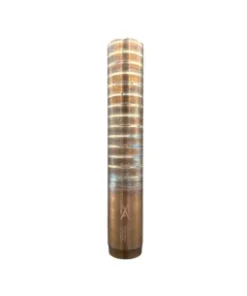
.30 Cal
The rating is the specification that matters
A suppressor rated for .308 Winchester is not automatically approved for 300 Win Mag. The two fire the same diameter bullet, which is exactly why the mistake is easy to make, but the magnum runs roughly 20 percent more case capacity and puts significantly more hot gas through the can on every shot.
Manufacturers publish a maximum cartridge rating and a minimum barrel length for a reason. Exceeding either is how baffles erode, how blast baffles crack, and how warranties end. Before you buy, check three numbers in the specification:
| Specification | What to look for | Why it matters |
|---|---|---|
| Maximum cartridge | 300 Win Mag or higher explicitly listed | a .308 rating does not cover magnums |
| Minimum barrel length | usually 20 inches for magnums | short barrels raise muzzle pressure sharply |
| Sustained fire rating | rounds per string before cooling | magnums heat a can quickly |
If your safe includes a magnum, buy for the magnum. A can rated for 300 Win Mag will happily run .308, .30-06, 6.5 Creedmoor, 300 Blackout and everything smaller, so the rating costs you nothing except weight.
Recoil reduction is the underrated benefit
Most people buy a suppressor for sound. On 300 Win Mag, the recoil reduction is arguably the bigger prize.
A suppressor slows and redirects the gas leaving the muzzle, and on a heavy magnum that removes a meaningful share of felt recoil, commonly 20 to 30 percent. The rifle also gains one to two pounds at the muzzle, which damps muzzle rise further. The combined effect turns a cartridge that many shooters flinch on into one they can shoot a full box of without developing a flinch.
That matters for accuracy in a way the decibel figure does not. A shooter who is not anticipating recoil shoots smaller groups, and on a magnum hunting rifle that is worth more than three decibels.
Weight and balance on a long rifle
300 Win Mag rifles usually wear 24 or 26 inch barrels, because the cartridge needs length to burn its powder and deliver the velocity it was bought for. Add a magnum rated suppressor and you have a genuinely long rifle.
Titanium is the obvious answer for a hunting rifle you carry, saving several ounces at the very end of a long barrel where weight is felt most. It sheds heat more slowly, which is a fair trade when you fire three rounds in a season.
Stainless or Inconel is heavier and handles repeated magnum blast better. If this rifle lives on a bench or sees serious round counts, the durability is worth the ounces.
Length is the other lever. A compact magnum rated can gives up a few decibels and several inches, and on a 26 inch barrel those inches are the difference between a rifle that fits a truck and one that does not.
Point of impact and long range consequences
300 Win Mag is bought for distance, so anything that moves your zero deserves attention. Fitting a suppressor will shift point of impact, typically half to one and a half minutes of angle, and the exact amount depends on the rifle, the barrel contour and the mount.
The number itself is not the problem. Repeatability is. A quality mount indexes identically every time, so the shift becomes a fixed offset you measure once. A poor mount produces a fresh shift on every install, which at 600 yards is a miss you cannot explain.
Zero suppressed, record the unsuppressed offset in writing, and confirm on paper after cleaning. Expect suppressed muzzle velocity to rise roughly 20 to 40 fps, which is worth real elevation at distance, so chronograph and rebuild your dope in our ballistics calculator rather than guessing.
Heat management
Magnum cartridges heat a suppressor faster than anything else on this site. A string of five rounds fired quickly can take a can from ambient to too hot to touch, and repeated heat cycling near the material limit is what shortens a suppressor's life.
The practical rules are unglamorous and they work. Let the can cool between strings. Do not fire rapid strings through a titanium suppressor on a magnum. Never leave a hot can on a rifle in a case, since trapped heat cooks the finish and any thread locker on the mount. And expect mirage off a hot suppressor to ruin your sight picture through a scope on a warm day, which is its own good reason to slow down.
Threads, mounts and barrel length
Most 300 Win Mag barrels use 5/8x24 threading, the standard for .30 caliber rifles. Confirm before ordering, because magnum hunting rifles from some makers use metric threads.
On minimum barrel length, magnum ratings usually specify 20 inches or more. This is not a formality. A short barrel means the powder has not finished burning when the bullet exits, so muzzle pressure and temperature are far higher, and that is exactly the condition that destroys suppressors. A 300 Win Mag in a 16 inch barrel is also giving away several hundred feet per second, which removes the reason to shoot the cartridge at all.
How quiet does it actually get?
Be realistic. A suppressed 300 Win Mag is hearing safe with a good can, typically dropping from roughly 170 decibels to the mid 130s at the ear. That is a dramatic improvement and it is not quiet. The bullet is travelling well over 2,900 fps, so it produces a sonic crack downrange that no suppressor can touch.
Nobody makes a genuinely silent magnum, and nobody should try. If silence is the goal, the answer is a cartridge designed around it: 300 Blackout for a light AR-15, or 8.6 Blackout for real terminal performance per quiet shot. Our subsonic ammunition and suppressor range covers that job properly.
Frequently asked questions about 300 Win Mag suppressors
Can I use a .308 suppressor on 300 Win Mag?
Only if the manufacturer explicitly rates it for 300 Win Mag. The bore size is correct, since both fire .308 inch bullets, but the magnum generates far more pressure and heat. Running an unrated can is how baffles erode and warranties end.
Will a suppressor rated for 300 Win Mag work on smaller calibers?
Yes, on anything up to .308 inch. That includes .308 Winchester, .30-06, 6.5 Creedmoor, 6mm ARC, .223 and 5.56. It will not work on 8.6 Blackout, which fires a larger .338 bullet.
How much recoil does a suppressor remove from 300 Win Mag?
Commonly 20 to 30 percent of felt recoil, plus the damping effect of one to two extra pounds at the muzzle. On a magnum this is often the single most noticeable benefit, and it usually improves the shooter's groups.
What barrel length do I need?
Most magnum ratings specify a 20 inch minimum, and 24 to 26 inches is normal for the cartridge anyway. Shorter barrels raise muzzle pressure sharply, which is hard on the suppressor and wastes the velocity you bought the magnum for.
Titanium or stainless for a magnum?
Titanium for a hunting rifle you carry, since the weight sits at the worst possible place on an already long rifle. Stainless or Inconel for bench and high volume shooting, where repeated magnum heat cycling is the real enemy.
How hot does the suppressor get?
Too hot to touch after a handful of rounds. Let it cool between strings, never bag a hot can with the rifle, and expect visible mirage through your scope on a warm day after several shots.
Does a suppressor affect long range accuracy?
It usually helps slightly, by damping barrel whip and reducing blast at the crown. It will move your zero, and it will add roughly 20 to 40 fps, which is worth real elevation past 600 yards. Chronograph suppressed and rebuild your drop data from those numbers.
Can I hunt with a suppressed 300 Win Mag?
Where local law permits it, yes, and it is a strong pairing. You keep the reach and energy of the magnum while removing most of the muzzle blast, which protects your hearing and is considerably better for anyone nearby or for a dog working with you.