.30 Cal
.30 Cal
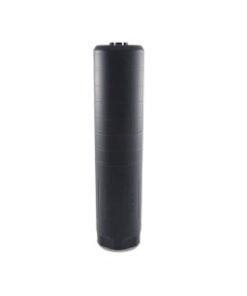
.30 Cal
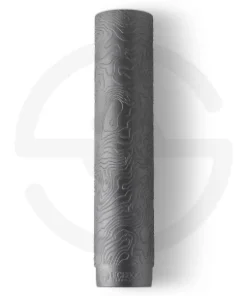
.30 Cal
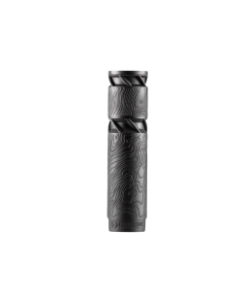
.30 Cal
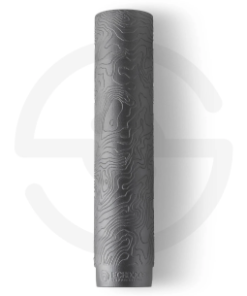
.30 Cal
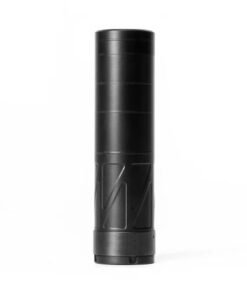
.300 Blackout
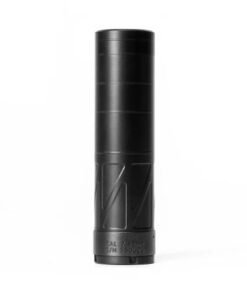
.30 Cal
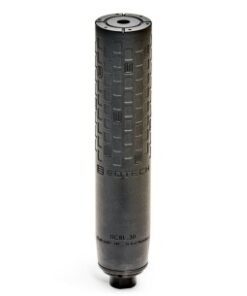
.30 Cal
.30 Cal
Mounting a suppressor to a rifle
Everything starts at the muzzle threads. Get this wrong and nothing else matters, so confirm your barrel's thread pitch before ordering rather than after.
| Common thread | Typically found on |
|---|---|
| 1/2x28 | 5.56, 223 and most 300 Blackout barrels |
| 5/8x24 | 308, 6.5 Creedmoor, 300 Win Mag and most .30 caliber rifles |
| 3/4x24 and larger | big bore rifles |
| Metric pitches | many European and surplus rifles |
Note the trap in the first two rows. Plenty of 300 Blackout barrels use 1/2x28 threads even though they fire a .30 caliber bullet, so a suppressor that fits your 5.56 rifle may thread on perfectly and still be far too small in the bore. Thread fit and bore diameter are separate checks, and both must pass.
If your barrel is not threaded, most gunsmiths can thread it. Very short or thin profile barrels sometimes lack the material to do it safely, so ask before assuming.
Gas guns need tuning
This is the part that catches most first time rifle suppressor owners. A can traps gas, and on a semi automatic that gas goes backwards through the action. The rifle cycles faster and harder, throws brass further, fouls quicker and vents more gas towards your face.
The fix is an adjustable gas block, which lets you turn the rifle down when the suppressor is fitted and back up when it is not. On an AR pattern rifle a heavier buffer helps as well. Neither is expensive, and together they turn a harsh suppressed rifle into a soft shooting one.
Short barrelled rifles feel this most, because the gas port sits close to the muzzle and dwell time is short. Suppressed 300 Blackout is a common example, and our 300 Blackout suppressors page covers that pairing specifically.
Point of impact shift
Adding several inches and up to a pound and a half at the muzzle changes barrel harmonics, so your zero will move. The shift is usually small and, importantly, repeatable.
Zero the rifle the way you intend to shoot it. If the can lives on the rifle, zero with it fitted. If you move it between rifles, expect to confirm zero on each and keep a note of the offset. Many shooters find groups tighten slightly with a suppressor fitted, because the can damps muzzle blast and barrel whip.
Heat, and knowing your rating
Rifle cans get hot fast, and heat is what kills suppressors. Every manufacturer publishes a minimum barrel length and a rate of fire rating, and those numbers are not suggestions. A lightweight titanium hunting can run on a short barrel at a high rate of fire will not survive.
Choose titanium for hunting and general use where weight matters and volume is low. Choose stainless or Inconel for range volume, short barrels, or anything approaching sustained fire. If in doubt, buy the more durable option, since the tax stamp costs the same either way.
Matching the can to the rifle
Hunting rifle. Prioritise light weight and short length. A titanium can keeps the rifle carryable and quiet enough for the shot that matters.
Range and training rifle. Prioritise durability and sound reduction over weight. A heavier stainless can will outlast the shooting.
One can, several rifles. Buy a .30 caliber quick detach can and fit muzzle devices to each rifle. Our .30 cal suppressors cover most centerfire calibers in one purchase.
Short barrelled rifle. Check the minimum barrel rating carefully and budget for an adjustable gas block from the start.
Ammunition matters as much as the can
A suppressor removes muzzle blast, not the sonic crack of a supersonic bullet. For genuinely quiet shooting you need subsonic ammunition under roughly 1,125 fps. Our 300 Blackout ammo covers 190gr to 220gr subsonic, and 8.6 Blackout ammo goes up to 342gr for far more energy at the same sound level. Compare them in our ballistics calculator.
Frequently asked questions about rifle suppressors
What thread pitch do I need?
Most 5.56 and many 300 Blackout barrels use 1/2x28. Most .30 caliber rifles including 308 and 6.5 Creedmoor use 5/8x24. Confirm with your barrel manufacturer rather than guessing, and remember thread fit and bore diameter are separate checks.
Will a suppressor make my AR over gas?
Usually yes to some degree. An adjustable gas block solves it, and a heavier buffer helps. Expect faster cycling, more fouling and more gas at the shooter without one.
How much will my zero shift?
Typically a small but repeatable amount. Zero with the suppressor fitted if that is how you will shoot, and record the offset if you move the can between rifles.
Can I use a rifle suppressor on a pistol?
Sometimes, if the bore and threads match and the manufacturer permits it, but a tilting barrel pistol usually needs a booster that rifle cans do not have. Check the manufacturer's guidance.
Titanium or stainless for a rifle?
Titanium for hunting and carry, stainless or Inconel for volume shooting, short barrels and hard use. Always work within the published barrel length and rate of fire ratings.
Do rifle suppressors need cleaning?
Centerfire rifle cans are largely self cleaning and need very little maintenance. Rimfire cans are the opposite and foul quickly. Follow the manufacturer's schedule for your model.