
8.6 Blackout (ALL)
8.6 Blackout Ammo
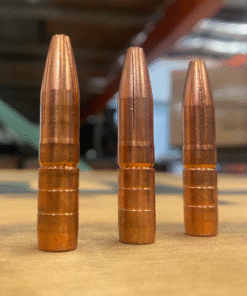
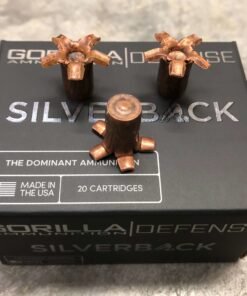
Blackout 8.6BLK 285gr Subsonic Fracturing Projectiles (Quantity of 50) NOT LOADED AMMO
8.6 Blackout Ammo
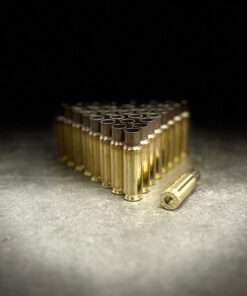
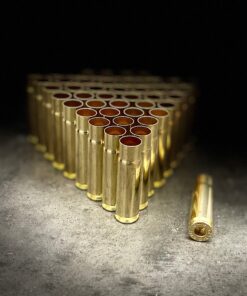
Blackout Ammunition 8.6 Blackout Brass, Factory New (Quantity of 50) NOT LOADED AMMO
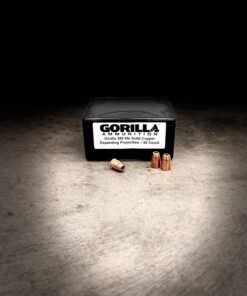
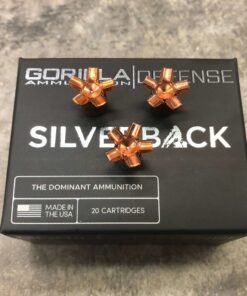
Projectiles & Brass
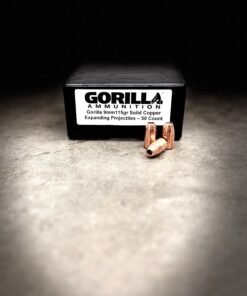
Projectiles & Brass
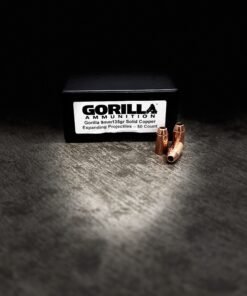
Why people handload the Blackouts
Handloading is a hobby for some cartridges and close to a necessity for others. 8.6 Blackout and 300 Blackout sit in the second group, for three reasons.
Cost. Factory subsonic loads use premium heavy projectiles in relatively small production runs, and the price reflects it. Component loading brings the cost per round down substantially, which matters when you are developing a load rather than just shooting one.
Availability. Specific subsonic weights come and go. If your rifle shoots one particular 300 grain load well, you do not want your season to depend on it being in stock.
Control. This is the real one. Subsonic loading is a balancing act between staying under the sound barrier and generating enough gas to cycle a semi automatic rifle. The window is narrow, it moves with temperature, and only handloading lets you sit exactly in the middle of it.
Brass, and the case forming question
The two Blackout cartridges have very different brass stories, and it is worth knowing which you are dealing with.
300 Blackout brass can be formed from .223 or 5.56 cases by cutting and resizing, which is why the cartridge became popular with handloaders in the first place. It is achievable with a trim die and patience, and it turns a bucket of once fired 5.56 brass into something useful. Purpose made 300 Blackout brass is more consistent in weight and neck thickness, and for subsonic accuracy work that consistency matters more than the saving.
8.6 Blackout is formed from 6.5 Creedmoor brass, shortened to 43mm and necked up to .338. It is a bigger job than the 300 Blackout conversion and it is not the place to learn case forming. Purpose made 8.6 brass is the sensible route for most loaders.
Whichever you use, the fundamentals do not change. Sort by headstamp, trim to a consistent length, chamfer and deburr, and check case capacity if you are switching brands mid load development. A 2 grain difference in case weight changes pressure enough to matter at subsonic charges, where the total charge is small to begin with.
Bullet weight and why it dominates subsonic loading
In a supersonic load, velocity does the work. In a subsonic load, velocity is capped at roughly 1,125 fps by the sound barrier, so the only variable left is mass.
| Cartridge | Subsonic weights | Energy at roughly 1,050 fps |
|---|---|---|
| 300 Blackout | 190gr to 220gr | roughly 500 ft lbs |
| 338 ARC | 250gr to 307gr | roughly 570 to 700 ft lbs |
| 8.6 Blackout | 285gr to 342gr | roughly 700 to 840 ft lbs |
Every one of those loads arrives at the target at about the same speed. The heavier bullet hits harder purely because there is more of it, which is the entire design logic behind the Blackout family and the reason heavy projectiles dominate this shelf.
Construction matters more than the number
This is the part that separates a working subsonic load from a quiet one that does not perform.
At 1,050 fps there is very little velocity available to drive a bullet to expand. Ordinary cup and core projectiles and every match or FMJ design frequently pass straight through an animal without upsetting at all. The shot was quiet and the terminal result was poor.
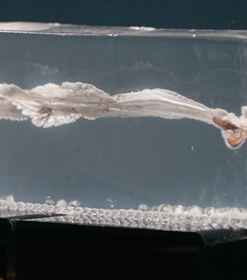
Purpose built subsonic projectiles solve it two ways. Soft alloys with deep hollow points expand at low velocity. Solid copper fracturing designs come apart on impact using rotational energy instead, which is where the extreme twist rates of these cartridges do their work: a 342 grain bullet leaving a 1:3 barrel spins past 250,000 rpm, and a bullet engineered for that spin will open when a conventional one will not.
So when you are choosing components, the question is not the grain weight. It is whether the projectile was designed to work at subsonic speed. Match and FMJ bullets are excellent for load development and practice, and the wrong choice for hunting.
Twist rate is a component decision too
Before buying a quantity of heavy projectiles, confirm your barrel twist. 8.6 Blackout is built around 1:3, 338 ARC around 1:5, and 300 Blackout around 1:7 or 1:8. Those numbers exist to stabilise long heavy bullets at low velocity.
A slower twist barrel will fire the ammunition and stay quiet, and the heaviest projectiles may keyhole while the expanding designs never reach their potential. That is an expensive way to discover a specification. Our twist rate guide covers it in detail.
Loading safely for subsonic
Two cautions that apply specifically to this kind of loading.
First, subsonic charges are small relative to case capacity, which raises the risk of a double charge going unnoticed. Use a powder measure you trust, and visually inspect every case in the block before seating bullets. This is the single most important habit in subsonic loading.
Second, work up. Published data for heavy subsonic projectiles is thinner than for common cartridges, components vary between lots, and semi automatic rifles add gas system behaviour on top. Start low, chronograph, and confirm you are actually under the sound barrier rather than assuming, since a load that is subsonic in winter can go supersonic on a hot day.
For load data and pressure specifications, SAAMI remains the industry authority.
Frequently asked questions about projectiles and brass
Can I form 300 Blackout brass from 5.56 cases?
Yes, by cutting and resizing, and it is one of the reasons the cartridge became popular with handloaders. Purpose made brass is more consistent in weight and neck thickness, which matters for subsonic accuracy work.
Can I form 8.6 Blackout brass myself?
It is formed from 6.5 Creedmoor brass shortened to 43mm and necked up to .338. That is a more involved job than the 300 Blackout conversion, and purpose made 8.6 brass is the practical route for most loaders.
What bullet weight should I load subsonic?
The heaviest your barrel will stabilise. Subsonic velocity is capped by physics, so energy comes from mass alone: 190 to 220gr in 300 Blackout, 285 to 342gr in 8.6 Blackout.
Are solid copper projectiles better for subsonic?
For hunting, often yes. Solid copper fracturing designs are built to come apart using the extreme rotational energy of these cartridges rather than relying on velocity they do not have at 1,050 fps.
Will match bullets work for subsonic hunting?
They will shoot accurately and they will usually pass straight through without expanding. Keep match and FMJ projectiles for load development and practice, and use a purpose built expanding or fracturing bullet for game.
How do I know my load is actually subsonic?
Chronograph it, and leave margin. The sound barrier sits near 1,125 fps and moves with temperature and altitude, so a load at 1,100 fps in cool weather can cross over on a hot day. Loading to 1,000 to 1,080 fps is the usual safety margin.
What is the biggest risk in subsonic loading?
A double charge. Subsonic charges are small relative to case capacity, so a double does not overflow the case and is easy to miss. Inspect every case in the block visually before seating bullets.
Do I need to check twist rate before buying projectiles?
Yes. 8.6 Blackout needs 1:3, 338 ARC 1:5, 300 Blackout 1:7 or 1:8. A slower twist will fire the round and fail to stabilise the heaviest bullets or drive their expansion.