.30 Cal
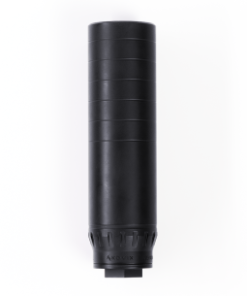
.30 Cal
.30 Cal
.30 Cal
.30 Cal
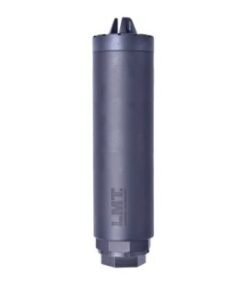
.30 Cal
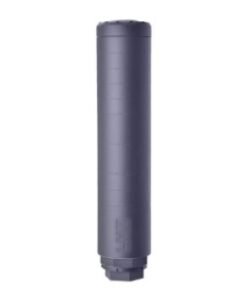
.30 Cal
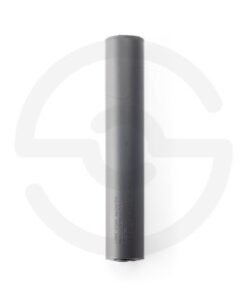
.30 Cal
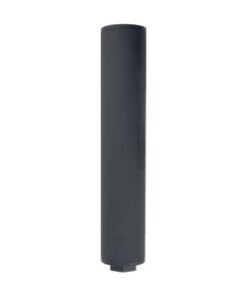
.30 Cal
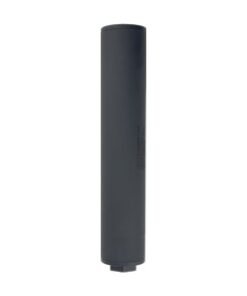
.30 Cal
Why .308 is the benchmark caliber for suppressors
When a manufacturer quotes a sound reduction figure, it is almost always measured on a 7.62 or .308 rifle. There is a practical reason for that. 7.62x51 sits in the middle of the rifle world for pressure, gas volume and heat, so a suppressor rated and tested here has been proven against a realistic worst case for most shooters. It also means the published numbers on this page can actually be compared with one another, which is rarely true across calibers.
For buyers, the useful consequence is simple: a .308 rated can is the safest single purchase in a mixed safe. It will handle 7.62x51 NATO, .308 Winchester, .30-06 Springfield, .300 Blackout, 6.5 Creedmoor, 6mm ARC, .223 and 5.56, and .22 LR. The one thing it will not handle is 8.6 Blackout, which fires a .338 bullet and needs its own .338 rated suppressor.
Bolt gun or gas gun, and why it changes the can
The rifle matters more than most buyers expect.
On a bolt action, nothing cycles, so the suppressor only has to be quiet and durable. You can run a lighter can, and a direct thread mount is perfectly reasonable because the rifle is not moving gas backwards at your face. This is where the quietest, simplest setups live.
On a gas gun, an AR-10 or similar, the suppressor raises back pressure, and that back pressure travels down the gas tube. The rifle cycles harder and faster, the bolt unlocks earlier, more gas comes out of the ejection port and the charging handle, and the whole thing runs dirtier and hotter. That is not a fault, it is physics, and there are three standard answers: an adjustable gas block, a heavier buffer, or a low back pressure suppressor design. Most owners of a suppressed .308 gas gun end up using at least two of the three.
| Consideration | Bolt action | Gas gun (AR-10) |
|---|---|---|
| Back pressure | irrelevant | the main design factor |
| Gas in the face | none | common without tuning |
| Mount | direct thread is fine | quick detach usually preferred |
| Weight tolerance | higher, rifle is already heavy | lower, it hangs off a long barrel |
| Tuning needed | none | gas block or buffer, often both |
Weight, length and the trade you are actually making
Suppressor performance is bought with volume. More internal volume means more expanding gas captured and a quieter shot, and volume comes from length, diameter or both. Every gram of that hangs at the very end of the barrel, where it does the most damage to how a rifle handles.
Full size cans, roughly 8 to 9 inches and 18 to 22 ounces, are the quietest and the most forgiving of sustained fire. They belong on a rifle that gets shot from a bipod or a bench.
Compact cans, roughly 5 to 7 inches and 11 to 16 ounces, give up a few decibels and make a hunting rifle carryable again. For most people who walk with their rifle, this is the correct trade.
Titanium versus stainless is the other lever. Titanium is significantly lighter for the same volume and costs more, and it sheds heat more slowly, so it suits precision and hunting rifles rather than high volume shooting. Stainless and Inconel handle sustained fire better and weigh more.
Point of impact shift, and what a good can does about it
Adding a suppressor changes barrel harmonics and adds weight to the muzzle, so your zero will move. That is normal and every can does it. What separates a good suppressor from a poor one is not whether the shift happens, it is whether it repeats.
A quality mount returns to the same position every time it is fitted, so the shift is a known, constant offset you can record once. A poor mount produces a different shift each time, which is functionally the same as having no zero at all. If you plan to move one can between rifles, mount quality is the single most important thing on the spec sheet.
The practical routine: zero suppressed, then record where the rifle prints unsuppressed, and confirm on paper after any strip and clean. Our ballistics calculator will model the trajectory once you know your suppressed muzzle velocity, which typically rises 15 to 40 fps over bare muzzle.
Barrel length and thread pitch
Most .308 and 7.62 rifles use a 5/8x24 thread, which is effectively the standard for the caliber. Where people get caught out is mixing rifles: many 300 Blackout and 5.56 barrels use 1/2x28 instead. A quick detach system solves this cleanly, since you fit the correct muzzle device to each rifle and the suppressor itself never changes.
Check the minimum barrel length in the manufacturer's specification before ordering. Short barrels raise the pressure and temperature at the muzzle, and a can rated for a 16 inch .308 is not automatically approved for a 10 inch one.
Getting genuinely quiet with .308
Be realistic about the ceiling. A suppressed .308 firing standard supersonic ammunition is hearing safe and far more pleasant to shoot, but it is not quiet, because the bullet still breaks the sound barrier and the crack happens downrange where no suppressor can reach it.
Genuine quiet needs subsonic ammunition, and .308 has a thin factory subsonic selection compared with cartridges designed for it. If silence is the goal rather than comfort, the honest answer is a purpose built cartridge: 300 Blackout for a light AR-15, or 8.6 Blackout when you need real terminal performance per quiet shot. Both are covered in our subsonic ammunition and suppressor range, and the good news is that a .30 caliber can already covers 300 Blackout.
Frequently asked questions about 7.62 and .308 suppressors
Is a 7.62 suppressor the same as a .308 suppressor?
Yes, for buying purposes. 7.62x51 NATO and .308 Winchester use the same .308 inch bullet, and manufacturers use the two names interchangeably in suppressor listings. The small pressure difference between the two cartridges does not change suppressor selection.
Can I use a .308 suppressor on 5.56 or .223?
Yes. The bore is larger than the bullet, so it is safe. You give up a few decibels compared with a dedicated 5.56 can, which most owners accept in exchange for covering several rifles with one purchase.
Can I use it on 8.6 Blackout?
No. 8.6 Blackout uses a .338 bullet, which is larger than a .30 caliber bore. It requires a .338 rated suppressor. This is the one compatibility mistake on this page that damages equipment and endangers the shooter.
How quiet is a suppressed .308?
Hearing safe with a good can, typically in the low 130s in decibels at the ear with supersonic ammunition, down from roughly 165 unsuppressed. Comfortable and civilised, but not silent, because the sonic crack of the bullet is untouched by any suppressor.
Will a suppressor hurt accuracy?
A well made one usually improves it slightly, by damping barrel whip and reducing muzzle blast disturbance. What it will do is move your zero, so treat suppressed and unsuppressed as two separate zeroes and record both.
Do I need an adjustable gas block for a suppressed AR-10?
Not always, but it is the cleanest fix. Suppressing a gas gun raises back pressure, which causes over gassing, extra fouling and gas blowback at the shooter. An adjustable block lets you dial the rifle back to correct function suppressed.
Direct thread or quick detach?
Direct thread if the can lives on one rifle and you want the lightest, shortest package. Quick detach if it moves between rifles, particularly across different thread pitches, where a matched muzzle device on each rifle keeps everything consistent.
How much velocity does a suppressor add?
Typically 15 to 40 fps with .308, because the suppressor acts as a short extension of the barrel and keeps gas pressure behind the bullet slightly longer. It is a real effect but a small one, and worth re confirming your drop data after fitting.