

300 Blackout Ammo
Blackout Ammunition .300 Blackout 125gr Sierra MatchKing, 20 Round Box
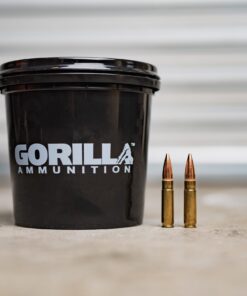
300 Blackout Ammo
Blackout Ammunition .300 Blackout 147gr FMJ, 160 Round Bucket


300 Blackout Ammo
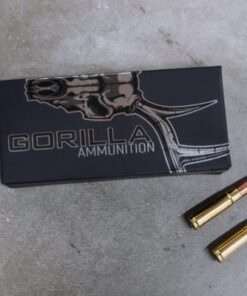
300 Blackout Ammo
Blackout Ammunition .300 Blackout 196gr Punisher Series, Subsonic Fracturing, 20 Round Box
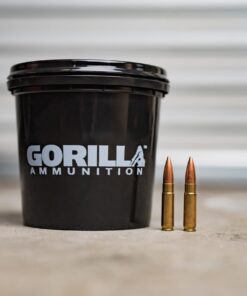
300 Blackout Ammo
Blackout Ammunition .300 Blackout Subsonic 215gr Berger Hybrid Target, 160 Round Bucket
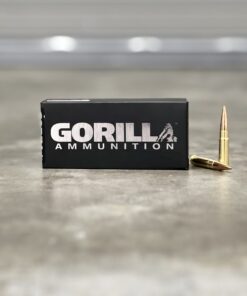
300 Blackout Ammo
Blackout Ammunition .300 Blackout Subsonic 215gr Berger Hybrid Target, 20 Round box
300 Blackout Ammo
Blackout Ammunition .300 Blackout Subsonic 220gr Sierra MatchKing, 160 Round Bucket


300 Blackout Ammo
Blackout Ammunition 300 Blackout 110gr Varminter Hollow Point, 20rd Box


How to choose 300 Blackout ammo
300 Blackout ammo divides into two jobs, and nearly every buying mistake comes from picking a load built for the other one. Decide which job you are buying for and the rest follows.
| If you want | Buy | Typical figures |
|---|---|---|
| Maximum quiet, suppressed | subsonic 190gr to 220gr | 1,000 to 1,060 fps, roughly 500 ft lbs |
| Hunting and defensive use | supersonic 110gr to 150gr | 1,900 to 2,375 fps, 1,200 to 1,400 ft lbs |
| Range volume and practice | 147gr FMJ or 220gr match | cheapest per round, no expansion |
| Deer and hogs inside 250 yards | 110gr to 150gr expanding | copper or bonded hunting bullets |
Grain weight, and what it actually changes
Subsonic 300 Blackout ammo all arrives at roughly the same speed, because the sound barrier caps it near 1,125 fps at sea level. Weight, not velocity, is what separates one subsonic load from another. A 190gr is the lightest common subsonic and the easiest to cycle, 208gr is a popular match weight, and 220gr is the heaviest common factory load and the quietest in character, carrying roughly 500 ft lbs.
Supersonic weights behave normally. A 110gr is the fastest and flattest at about 2,375 fps, 125gr is the all purpose weight most factory loads use, and 150gr is the heaviest common supersonic and the deepest penetrating. Muzzle energy stays in a narrow band of roughly 1,200 to 1,400 ft lbs across the range.
Bullet construction decides hunting performance
This matters more than the grain number. A 220gr full metal jacket subsonic and a 220gr expanding subsonic weigh the same and shoot to nearly the same point of impact, and only one of them is suitable for game. At 1,000 fps there is very little velocity available to drive expansion, so a hunting subsonic must use a bullet specifically designed to open at that speed.
The same applies supersonic. A 147gr FMJ is superb practice ammunition and a poor choice for deer, while a 110gr copper hunting bullet is built to expand reliably at short barrel velocities. Buy the construction, not just the weight.
Barrel length and what it costs you
300 Blackout was designed to burn its full powder charge in roughly 9 inches of barrel, which is why it dominates the short barrel and suppressor world.
| Barrel | Subsonic 220gr | Supersonic 110gr |
|---|---|---|
| 7 inches | 980 to 1,010 fps | 2,050 to 2,150 fps |
| 9 inches | 990 to 1,020 fps | 2,150 to 2,250 fps |
| 10.5 inches | 1,000 to 1,030 fps | 2,200 to 2,300 fps |
| 16 inches | 1,010 to 1,050 fps | 2,300 to 2,400 fps |
Look at the subsonic column. Across nine inches of extra barrel you gain about 30 fps, which is nothing. Subsonic ammunition is loaded to stay under the sound barrier in any barrel, so buying length for subsonic performance simply adds weight. Supersonic loads gain roughly 250 fps from 7 to 16 inches, and most of that arrives in the first two inches.
The practical result is that a 9 inch 300 Blackout with a suppressor is shorter overall than a bare 16 inch rifle while giving up about 150 fps. That trade is the entire reason the cartridge exists.
Subsonic and supersonic will not share a zero
If you run both from one rifle, and most owners do, expect the point of impact to differ by several inches even at 50 yards. This is the single most common cause of unexplained misses in this cartridge.
Record both zeroes, mark your magazines clearly, and confirm on paper before any serious use. Subsonic trajectory turns into a rainbow past 150 yards, dropping roughly 35 inches at 200 yards from a 100 yard zero, while a 125gr supersonic drops only 7 to 9 inches at the same distance. Our subsonic versus supersonic guide covers running both properly.
Cycling subsonics reliably
Subsonic loads generate very little gas, so a rifle that runs supersonics perfectly can short stroke on subsonics. If yours does, the usual fixes in order are an adjustable gas block, then a lighter buffer, then a different load. Adding a suppressor increases back pressure and almost always improves cycling rather than hurting it.
Barrels in 1:7 or 1:8 twist stabilise the full 110gr to 220gr range. Prefer 1:7 if your diet is mostly heavy subsonics, especially in cold weather.
What 300 Blackout is good for
Suppressed range work and pest control. Subsonic 300 Blackout through a suppressor is the quietest practical centerfire experience available, hearing safe and cheap enough to shoot in volume.
Home defense. A short barrelled 300 Blackout with supersonic expanding loads delivers rifle energy from a compact package with less muzzle blast than a 10.5 inch 5.56. Our home defense load guide covers which bullets work at short barrel speeds.
Hogs and deer. Supersonic 110gr to 150gr expanding loads are a clear yes inside 250 yards. Subsonic hunting works at woods ranges with the right expanding bullet, kept inside roughly 100 to 150 yards.
Not for long range. Past 300 yards the supersonics are slowing quickly and the subsonics arrived long ago by parabola. Buying 300 Blackout for distance work is how the cartridge earns unfair criticism.
Shipping and compliance
We ship 300 Blackout ammo within the USA to lawful destinations only, and orders over $300 ship free. It remains the buyer's responsibility to know and follow the law where they live, since ammunition rules vary by state and by city. See our shipping and delivery page for details and our returns policy for the 30 day window on damaged or incorrect orders.
Frequently asked questions about 300 Blackout ammo
What is the best 300 Blackout ammo for hunting?
A 110gr to 150gr supersonic expanding load for deer and hogs inside 250 yards. For suppressed subsonic hunting, choose a 190gr to 220gr bullet specifically designed to expand at 1,000 fps and keep shots inside roughly 150 yards.
What is the best 300 Blackout ammo for home defense?
A 110gr to 125gr supersonic expanding load from a short barrel. It delivers rifle energy with controllable blast, and expanding construction matters more than weight at defensive distances.
How much does 300 Blackout ammo cost?
Less than 8.6 Blackout and more than 5.56, because it uses a heavier bullet in lower volumes. Practice FMJ is the cheapest option and buckets bring the per round price down considerably against boxes.
Will subsonic 300 Blackout cycle my rifle?
Often yes, but not always. Many factory subsonic loads are gassed to cycle a carbine unsuppressed, though short barrels, gas port sizing and buffer weight all change the outcome. Fitting a suppressor usually improves cycling.
What barrel length is best for 300 Blackout?
Around 9 inches captures nearly all the performance, with 9 to 10.5 inches the sweet spot for a suppressed build. A 16 inch barrel adds roughly 150 fps supersonic and about 30 fps subsonic, and skips the NFA process.
Can I use 300 Blackout in my 5.56 rifle?
With a barrel change only. 300 Blackout uses the same bolt and the same magazines as 5.56, which is what makes it the cheapest caliber conversion in the AR-15 world. Never mix the ammunition, as a 300 Blackout round can chamber in a 5.56 barrel with dangerous results.
What is the difference between 300 Blackout and 8.6 Blackout?
300 Blackout uses a .308 bullet in a standard AR-15 and carries roughly 500 ft lbs subsonic. 8.6 Blackout uses a .338 bullet on a shortened 6.5 Creedmoor case, needs an AR-10 sized platform, and carries 700 to 840 ft lbs subsonic. See our full comparison or shop the bigger cartridge on our 8.6 Blackout ammo shelf.