Guides
Best 300 Blackout Ammo for Home Defense (2026)
Jun
.300 Blackout has earned a real following for home defense, and choosing the right 300 Blackout for home defense load is what turns that reputation into genuine capability. The cartridge delivers serious .30-caliber energy from a short, maneuverable barrel, exactly the compact AR setup that makes sense inside a home. But not every load is a defensive load, and picking 300 Blackout for home defense means understanding bullet choice, barrel length, suppressors and the trade-offs that matter when it counts. This guide covers how to choose, what to look for, and the realistic considerations behind a defensive 300 BLK build.
Why 300 Blackout works for home defense
The cartridge was designed to perform from short barrels, and that’s its biggest home-defense advantage. A 300 BLK pistol or SBR with an 8 to 10″ barrel delivers close to its full energy, while a 5.56 from the same short barrel loses a lot of velocity and terminal performance. Short barrel, full power and a light, handy rifle is a strong combination for defending a home, where maneuverability in tight spaces matters as much as raw ballistics. That’s the core reason so many people now build 300 Blackout for home defense rather than defaulting to a carbine-length 5.56.
What to look for in a defensive load
A defensive load has a tougher job than a range round. Prioritize these qualities:
- Reliable expansion at your barrel length. Choose a bullet engineered to open at 300 BLK velocities from a short barrel, quality hollow points or bonded/controlled-expansion designs.
- 100% reliable feeding. A defensive load must cycle flawlessly in your rifle. Test it thoroughly before you trust it.
- Controlled penetration. You want enough penetration to be effective but a bullet that expands rather than zipping straight through walls. Expanding supersonic bullets help here.
- Consistency. Quality-controlled ammunition that shoots to the same point of impact, every time.
The recommended profile
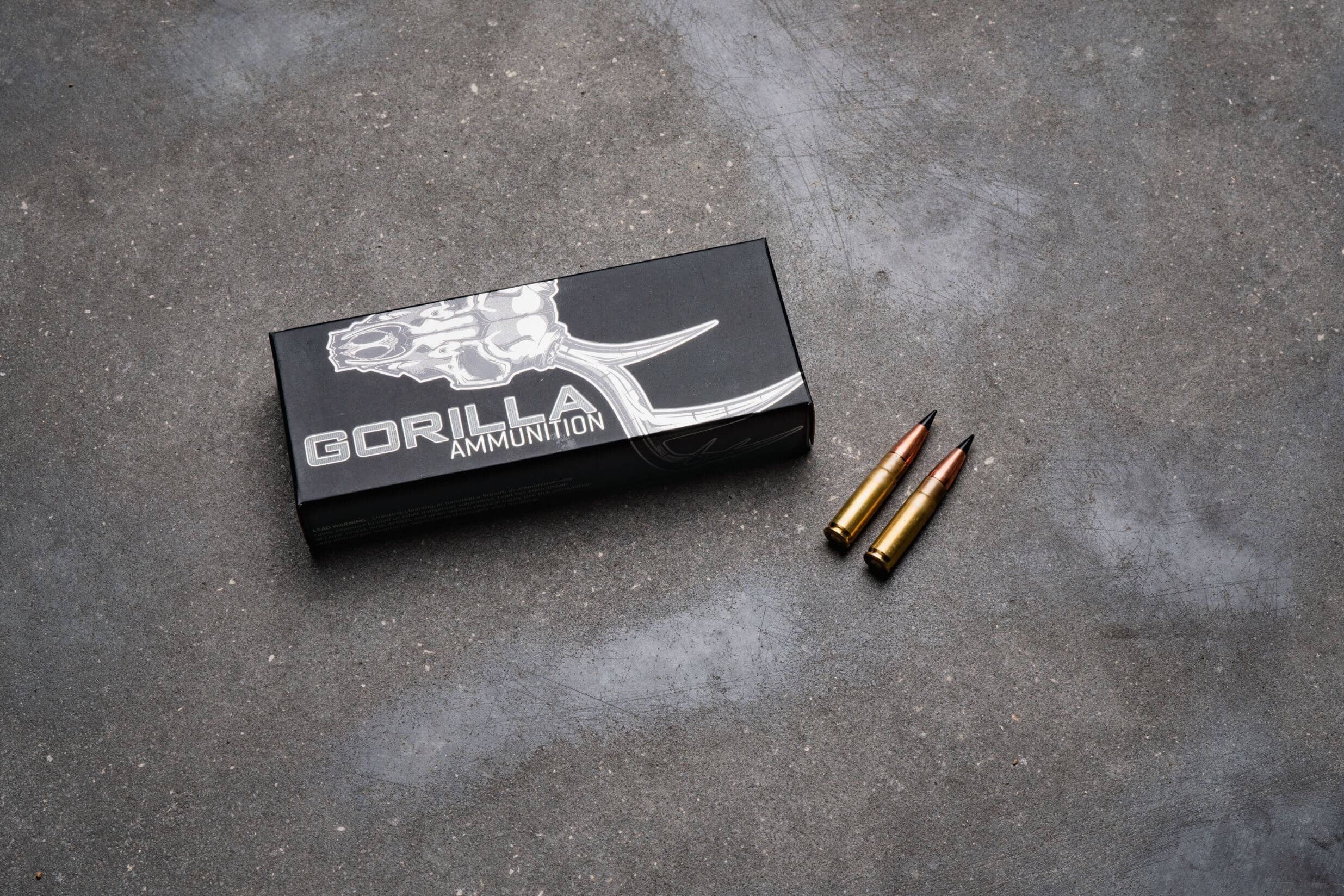
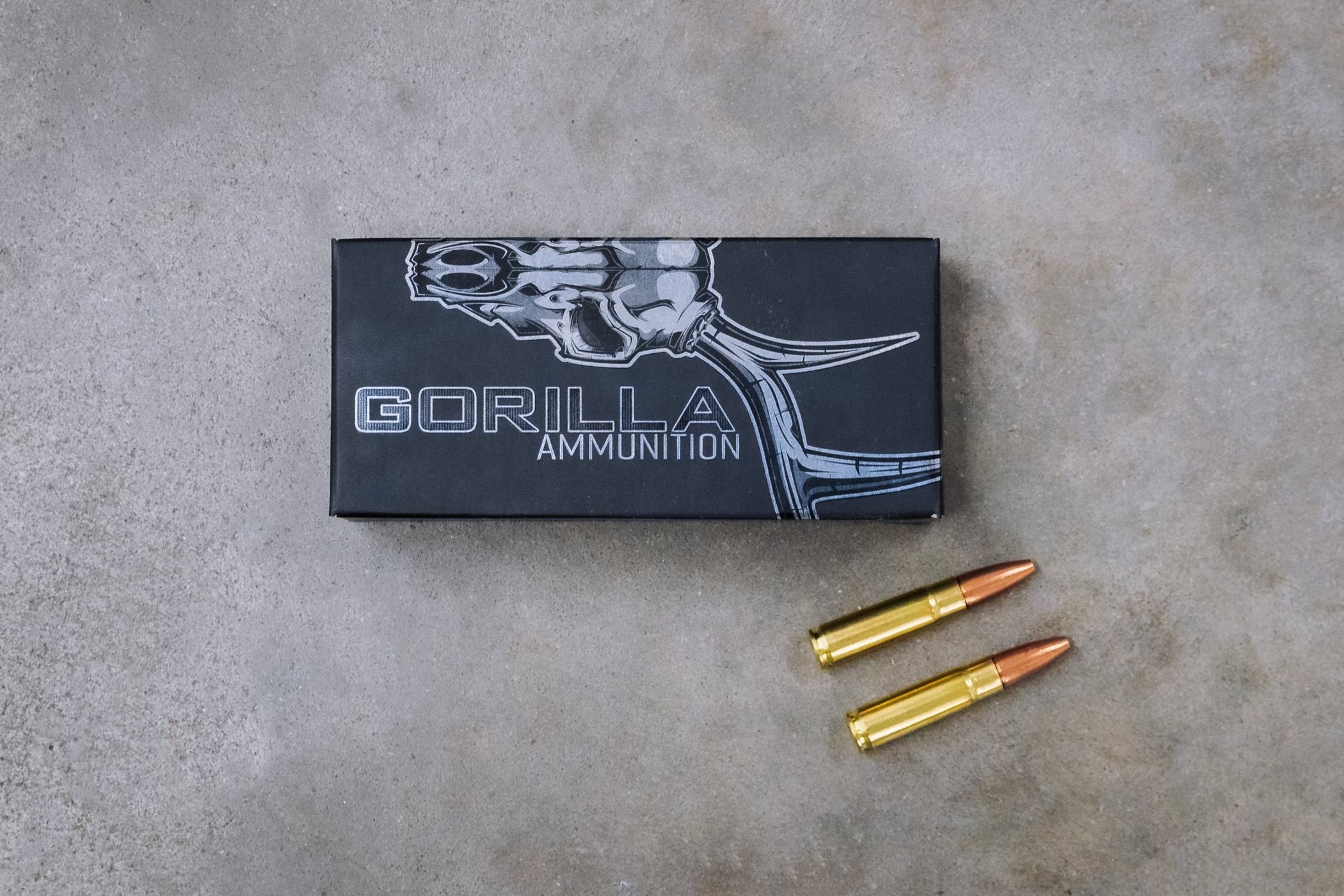
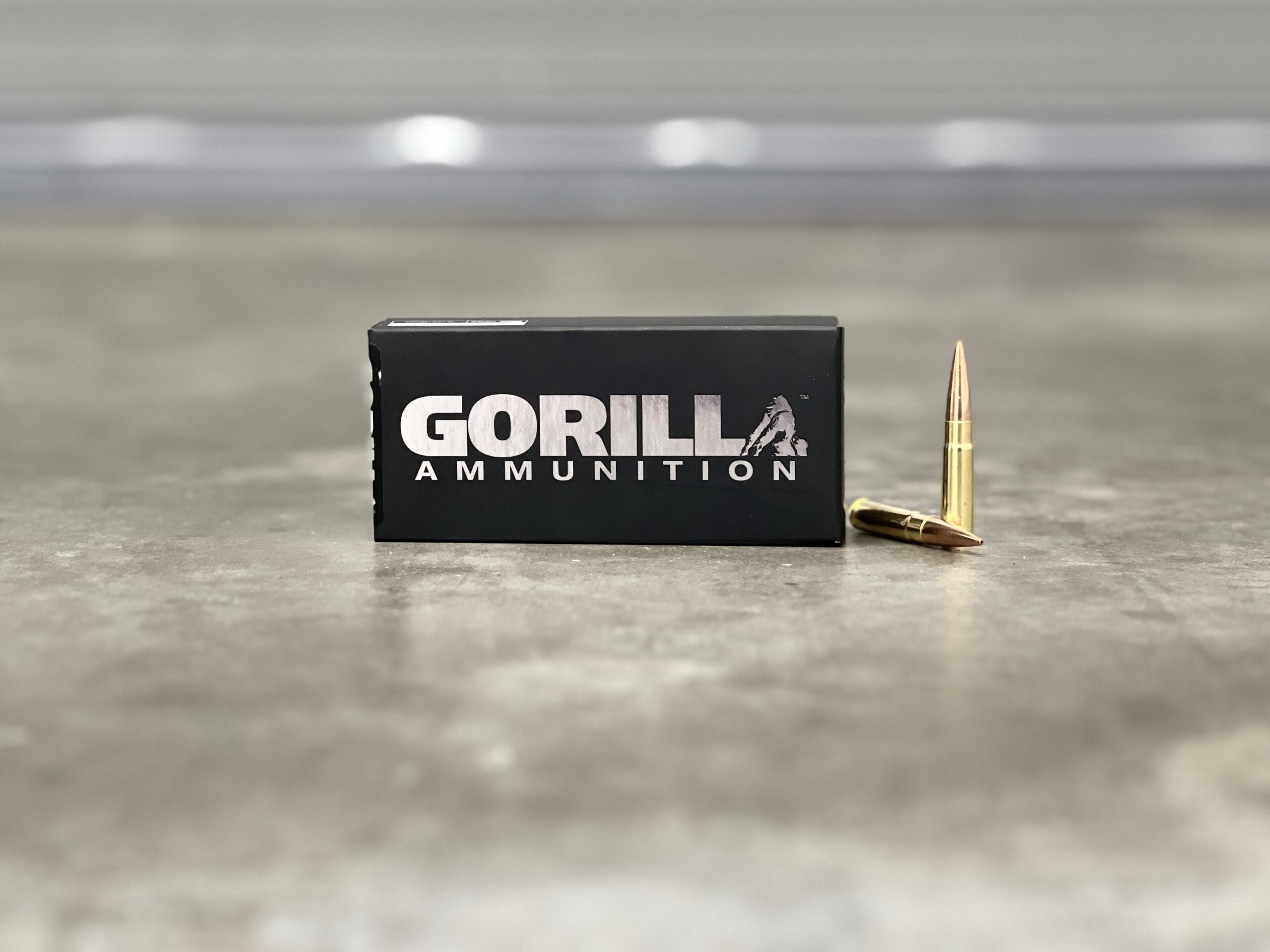
A 110 to 135gr supersonic expanding/hollow-point load is the sweet spot for most home-defense 300 BLK builds: enough velocity for reliable expansion, manageable recoil, and strong energy from a short barrel. Bonded or controlled-expansion designs add barrier performance if that matters to your situation. Whatever you choose for 300 Blackout for home defense, confirm it feeds flawlessly and groups acceptably in your specific rifle before relying on it. Browse defensive options in our 300 Blackout ammunition collection.
Barrel length for a defensive build
8 to 10″ barrels are popular for defensive 300 BLK, compact, maneuverable indoors, and still close to full power thanks to the cartridge’s short-barrel design. A pistol or SBR configuration keeps the overall length short for clearing rooms and tight spaces. Longer barrels add velocity but cost handiness, which is usually the wrong trade for a home gun. The ability to deliver full energy from a short barrel is precisely why 300 Blackout for home defense has become so popular versus 5.56 in the same length.
Suppressors and home defense
A suppressor is a serious asset for a home-defense rifle. An unsuppressed rifle fired inside a house is deafening and can cause permanent hearing damage and disorientation at the worst possible moment. A can meaningfully reduces blast and helps preserve your hearing and situational awareness, though supersonic loads still produce a sonic crack. If you suppress your 300 Blackout for home defense, confirm your defensive load cycles reliably suppressed, and consider an adjustable gas block for tuning. Suppressors and mounts are available in our suppressor range.
Building a dedicated defensive 300 Blackout
If you’re assembling a purpose-built gun, a sensible 300 Blackout for home defense configuration is a short 8 to 10″ barrel, a reliable bolt carrier group, an adjustable gas block, a quality optic or red dot, a weapon light (identifying your target is non-negotiable), and a suppressor if legal where you live. Feed it a proven supersonic expanding defensive load, confirm 100% reliability, and zero it. Keep it simple, reliable and familiar, a defensive rifle should be a tool you trust completely, not a science project. For practice, 300 Blackout buckets lower the cost per round.
Frequently asked questions
Is 300 Blackout good for home defense?
Yes. It delivers full .30-caliber energy from a short, maneuverable barrel, has mild recoil, and pairs well with a suppressor, all strong qualities for a home-defense rifle when paired with a quality expanding load.
What is the best 300 Blackout load for home defense?
A 110 to 135gr supersonic expanding or bonded hollow-point load is the usual best choice, reliable expansion, manageable recoil and strong short-barrel energy. Confirm it feeds and groups in your rifle.
Should I use subsonic or supersonic for home defense?
Supersonic is generally better because the higher velocity drives reliable expansion. Subsonic is much quieter but needs a purpose-built expanding bullet to be effective.
Does 300 Blackout over-penetrate walls?
No round is wall-safe, but an expanding supersonic bullet tends to dump energy and expand rather than zip straight through like FMJ. Choose an expanding load and know your home’s layout.
Shop 300 Blackout home-defense ammo
The right load makes a 300 Blackout for home defense build genuinely capable. Blackout Ammunition stocks quality supersonic expanding loads ideal for defense, browse the 300 BLK ammo collection, compare loads in our subsonic vs supersonic guide, review shipping & delivery, or see the FAQ. For suppressors and gear, browse our suppressor range.
Last updated: June 2026. This is general information, not legal advice; follow all applicable laws and train with your equipment. You must be 21 or older to purchase rifle ammunition.

Pingback: 300 Blackout Subsonic vs Supersonic: Best Load to Shoot (2026)