.30 Cal
.30 Cal
.30 Cal
.30 Cal
.30 Cal
.30 Cal
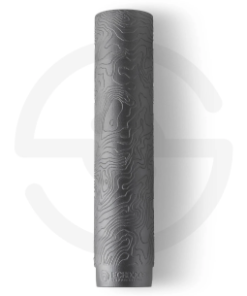
.30 Cal
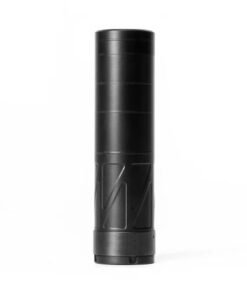
.300 Blackout
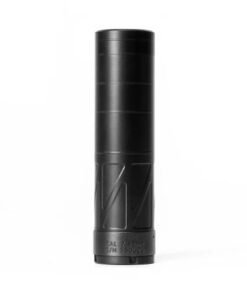
.30 Cal
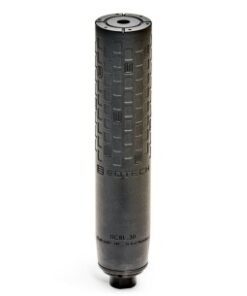
.30 Cal
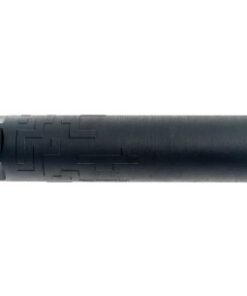
How to choose a 300 Blackout suppressor
Almost every 300 Blackout suppressor on this page is a .30 caliber can, and that is deliberate. A .30 bore will happily suppress anything with a smaller bullet, so one purchase and one tax stamp covers a lot of rifles. The differences that matter are mount, weight, length, materials and how the can handles back pressure.
| Priority | Look for | Why |
|---|---|---|
| One can, many rifles | .30 caliber bore, QD mount | covers 300 BLK, 308, 6.5 CM, 300 WM and smaller |
| Lightest possible build | titanium tube | saves several ounces at the muzzle |
| Hard use and full auto | stainless or Inconel baffles | survives sustained fire and short barrels |
| Maximum quiet | longer can, more volume | internal volume is what reduces sound |
| Shortest package | compact or K length | adds 4 to 5 inches instead of 7 to 8 |
Bore diameter is the first decision
A suppressor must be at least as large as the bullet passing through it. A .30 caliber can will suppress 300 Blackout, 308 Winchester, 6.5 Creedmoor, 5.56 and 22 rimfire. A 5.56 specific can will not accept a .30 bullet, and firing one through it destroys the suppressor and possibly the rifle.
That is why the .30 bore dominates. You give up a small amount of sound reduction on smaller calibers, because the bore is slightly oversized for them, and you gain the ability to move one can across most of your safe. For anyone buying their first suppressor, this is almost always the right call.
Mount type: direct thread or quick detach
Direct thread cans screw straight onto the muzzle. They are lighter, cheaper, shorter overall and perfectly repeatable, and moving one between rifles means unscrewing it each time.
Quick detach systems use a muzzle device on each rifle and lock the can on in seconds. You pay in weight, length and cost, and you gain the ability to move one suppressor across several rifles quickly. If this is your only can and you own more than two rifles, quick detach usually earns its keep.
Back pressure, and why it matters more on 300 Blackout
Suppressors trap gas, and trapped gas goes backwards through the action. On a semi automatic that means more gas in your face, faster cycling and more fouling. Short barrelled 300 Blackout is one of the harder cases because the gas port is close to the muzzle and the dwell time is short.
Two things fix it. Fit an adjustable gas block so you can turn the rifle down when the can is on, and prefer suppressor designs that vent forward rather than dumping everything into the action. Some modern cans are explicitly built as low back pressure designs and are worth the premium on a gas gun.
Weight and length, the trade nobody escapes
Sound reduction comes from internal volume, so quieter generally means longer and heavier. A full size .30 can adds roughly 7 to 8 inches and 12 to 20 ounces at the muzzle. A compact adds 4 to 5 inches and less weight, at the cost of a few decibels.
On a 300 Blackout the calculus is friendlier than on most cartridges, because the cartridge burns its powder in about 9 inches of barrel. A 9 inch barrel with a full size can is still shorter than a bare 16 inch rifle, which is exactly why this pairing is so popular. Our barrel length guide covers the numbers.
Materials
Titanium is the light option and is excellent for hunting and general use. Stainless steel and Inconel are heavier and take far more abuse, which matters for sustained fire and very short barrels where heat builds fast. Check the manufacturer's rating for your intended barrel length and rate of fire, because running a lightweight can outside its rating is how suppressors get damaged.
The legal process, briefly
Suppressors are legal to own in most US states, and they are federally regulated under the National Firearms Act. Buying one means an ATF Form 4, a 200 dollar tax stamp, fingerprints and a background check, with approval times that have varied enormously in recent years. You take the can home only after approval.
Check your own state and local law before ordering, since a handful of states prohibit civilian ownership entirely. The ATF publishes the current forms and requirements, and your dealer will walk you through the paperwork.
What to feed it
A suppressor removes muzzle blast, not the sonic crack of a supersonic bullet. To get the quiet everyone is chasing you need subsonic ammunition, which stays under roughly 1,125 fps. Our 300 Blackout ammo shelf carries 190gr to 220gr subsonic loads for exactly that, and the 8.6 Blackout ammo range covers the heavier .338 option if you want more energy per quiet shot.
Worth knowing before you buy: subsonic and supersonic loads will not share a zero, and the difference can be several inches even at 50 yards. Model your exact setup in our ballistics calculator.
Frequently asked questions about 300 Blackout suppressors
Can I use a 5.56 suppressor on 300 Blackout?
No. A 300 Blackout bullet is .308 inches and will not safely pass through a 5.56 bore suppressor. Doing so destroys the can and can injure the shooter. Always use a .30 caliber or larger suppressor.
Do I need a subsonic load to shoot suppressed?
No, but you need one for the full effect. A suppressor on supersonic ammunition removes the muzzle blast and leaves the sonic crack, which is still much quieter than unsuppressed but not hearing safe on its own. Subsonic loads remove the crack entirely.
What is the best suppressor length for 300 Blackout?
A full size can gives the most sound reduction and pairs well with a 9 inch barrel, because the total package stays shorter than a bare 16 inch rifle. Choose a compact only if overall length or weight is the deciding factor.
Will a suppressor affect my point of impact?
Yes, usually by a small but real amount. Zero with the can fitted if that is how you will shoot, and re-confirm if you move the suppressor between rifles.
How long does the ATF approval take?
It varies considerably and has changed a great deal in recent years, so ask your dealer what current wait times look like rather than relying on figures published online.
Titanium or stainless for 300 Blackout?
Titanium if you value light weight for hunting and general use. Stainless or Inconel if you shoot volume, run very short barrels, or want the most durable option. Always check the manufacturer's barrel length and rate of fire ratings.