Guides
8.6 Blackout vs 338 ARC: The Best Honest Comparison (2026)
Dec
Updated July 2026. Figures compiled from published factory data. Verify with your own chronograph.
The 8.6 Blackout vs 338 ARC question is the most common one we get from shooters building a heavy subsonic rifle this year, and almost everything written about it so far is either marketing or guesswork. Both cartridges push .338 caliber bullets from short suppressed barrels. Both were designed by serious engineering teams. Both claim the same job. This 8.6 Blackout vs 338 ARC guide lays out where they actually differ, with numbers, so you can pick the right cartridge for your build instead of the one with the louder fanbase.
8.6 Blackout vs 338 ARC at a glance
| Metric | 8.6 Blackout | 338 ARC |
|---|---|---|
| Designer | Q, LLC (Kevin Brittingham’s team) | Hornady |
| Parent case | 6.5 Creedmoor shortened to 43mm | 6.5 Grendel derived |
| Platform | AR-10, short action bolt | AR-15, micro action bolt |
| Twist rate | 1:3, fastest in production | 1:5 |
| Subsonic weights | 285gr to 342gr | 250gr to 307gr |
| Subsonic energy | roughly 700 to 840 ft lbs | roughly 570 to 700 ft lbs |
| Supersonic loads | 160gr to 210gr, to 2,400 fps | 175gr class, to roughly 2,075 fps |
| Magazine | SR-25 pattern mags | standard AR-15 mags, Grendel followers |
The platform decision comes first
Before ballistics, be honest about the rifle you want to carry. This is the real 8.6 Blackout vs 338 ARC decision, and it usually settles the argument on its own.
8.6 Blackout lives in AR-10 pattern rifles and short action bolt guns. That buys you the heaviest bullets in the class and the most energy, and it costs you weight: an AR-10 build runs a pound to a pound and a half heavier than a comparable AR-15, and SR-25 pattern magazines cost two to three times what AR-15 magazines do.
338 ARC was Hornady’s answer to that weight penalty. It feeds through a standard AR-15 with a barrel and bolt swap, which means a 6 pound suppressed rifle is realistic. If your use case is a truck gun or a walk all day hog rifle, that matters more than paper energy, and it is the strongest card the ARC holds in any 8.6 Blackout vs 338 ARC debate.
Subsonic performance, where both live
Both cartridges were designed subsonic first. The difference in the 8.6 Blackout vs 338 ARC matchup is mass and spin.
8.6 Blackout throws 285gr to 342gr bullets at roughly 1,000 to 1,080 fps. Our full 8.6 Blackout ballistics chart breaks the numbers down by load and barrel length. The heaviest loads carry roughly 840 ft lbs, and the 1:3 twist spins them past 250,000 rpm, which drives expanding and fracturing bullets to open at speeds where conventional bullets fail.
338 ARC subsonics run 250gr to just over 300gr at the same speeds, carrying roughly 570 to 700 ft lbs. The 1:5 twist is fast by normal standards, just not 8.6 fast. Hornady’s Sub-X projectile is built to expand at these velocities, so terminal performance is genuinely good, simply a class below the heaviest 8.6 loads.
If maximum quiet authority per trigger press is the goal, the 8.6 Blackout vs 338 ARC subsonic round goes to the 8.6. If the goal is 90 percent of that performance from a lighter rifle with cheaper magazines, the ARC makes a strong case.
Supersonic reach
Supersonic is where the 8.6 Blackout vs 338 ARC gap widens. 8.6 Blackout factory loads run 160gr to 210gr between roughly 1,900 and 2,400 fps, holding around 2,000 ft lbs at the muzzle. That is legitimate hog, deer and black bear energy inside 300 yards, and shooters have taken far larger game with well placed supersonic 8.6 loads.
338 ARC supersonic loads push a 175gr class bullet at roughly 2,075 fps from a 16 inch barrel, around 1,670 ft lbs. Still a capable woods cartridge, but the AR-15 sized case simply holds less powder. In the 8.6 Blackout vs 338 ARC energy race, the bigger case wins every category except weight and cost.
Recoil and shootability
Neither cartridge punishes you, but they feel different. Subsonic loads in both are soft, closer to a heavy 45 ACP push than a rifle crack, because muzzle velocity is low. Supersonic 8.6 out of an AR-10 gives a firm 308 class shove; the platform’s extra mass soaks most of it. Supersonic ARC in a light AR-15 is snappier than its paper energy suggests, simply because the rifle weighs less. Suppressed, both settle down further, and neither will beat you up across a long range day.
Barrel length behavior
Both cartridges were designed around short barrels, and both finish their powder burn early: the 8.6 in roughly 8 inches, the ARC by about 10. That means a 12 inch 8.6 Blackout or a 12 inch 338 ARC gives up very little to a 16 inch gun, and both pair naturally with a suppressor without becoming pole length. The velocity by barrel length tables in our 8.6 ballistics reference show how flat the curve is past 10 inches. On this point the 8.6 Blackout vs 338 ARC comparison is a tie, and a deliberate one, since both teams designed for the same suppressed short barrel world.
Ammo cost and availability in 2026
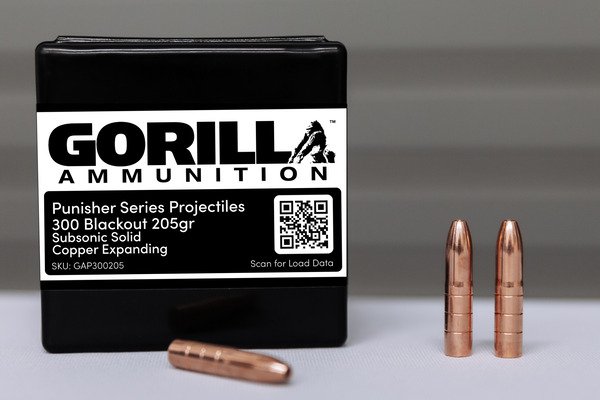
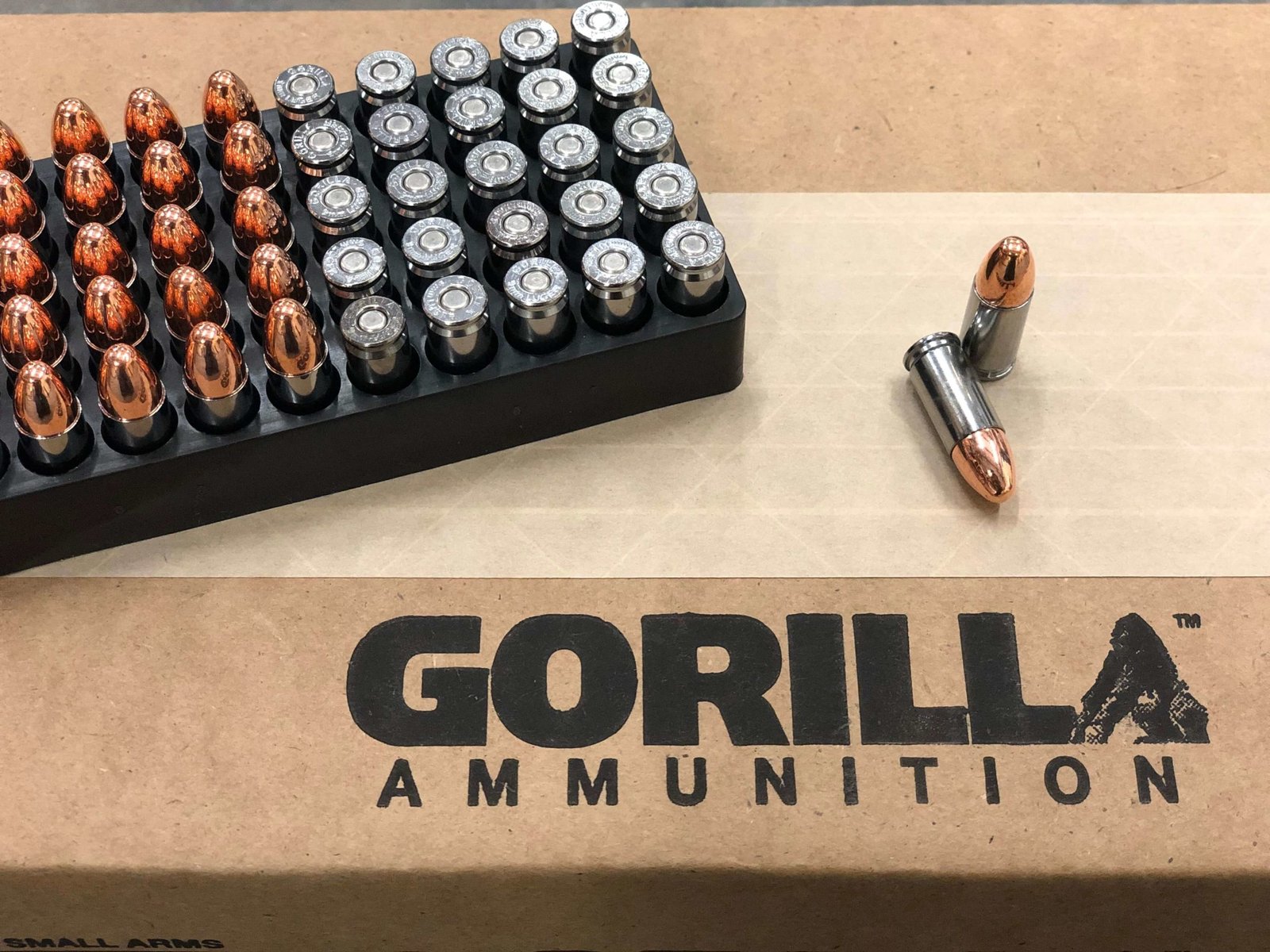
Neither cartridge is cheap, and both are young. 8.6 Blackout has a two year head start on factory support, with loads from Gorilla, Discreet Ballistics, Fort Scott and others on shelves now, and an established market for barrels, uppers and complete rifles. Browse our in stock 8.6 Blackout ammo shelf to see current weights and pricing.
338 ARC support is growing fast because Hornady cartridges always win industry adoption, but as of mid 2026 the load selection is still thinner, with Hornady itself carrying most of the weight. Expect that gap to close over the next two years. Expect neither round to ever be 5.56 cheap; specialist performance carries specialist pricing, which is true across the whole heavy subsonic class.
The bolt gun and lever action angle
The 8.6 Blackout vs 338 ARC story is not only an AR story. 8.6 Blackout has become the darling of the suppressed bolt gun world, with short action builds on Remington 700 pattern receivers running 8 to 12 inch barrels, and 2026 brought the first lever action rifles chambered in 8.6 Blackout, pairing the quietest heavy cartridge with the fastest pointing woods platform there is. A suppressed 8.6 lever gun is arguably the ultimate modern hog rifle, and search interest in that exact combination has exploded this year.
338 ARC is following the same path one size down, with micro action bolt rifles built on AR-15 length actions that weigh under 6 pounds bare. Hornady designed the cartridge to headspace cleanly in tiny actions, and the results carry like a rimfire. So if your heart is set on a bolt or lever platform rather than a gas gun, the 8.6 Blackout vs 338 ARC choice again reduces to the same trade: maximum payload with the 8.6, minimum weight with the ARC.
Whichever receiver you pick, buy the barrel twist the cartridge was designed for. The 8.6’s terminal performance depends on its 1:3 twist; a slower substitute barrel quietly deletes the cartridge’s main advantage, a point our 8.6 twist rate guide explains in depth.
Which one should you build?
Choose 8.6 Blackout if: you want the hardest hitting subsonic rifle cartridge in production, you hunt game up to elk and black bear suppressed, you already run an AR-10 or a short action bolt gun, and rifle weight is not your first concern. Our 8.6 Blackout vs 300 Blackout comparison applies the same logic against the smaller cartridge.
Choose 338 ARC if: you want an AR-15 sized rifle, ounces matter, your shots live inside 200 yards, and 250gr to 300gr subsonic performance is enough. It is the practical pick for a lightweight suppressed carbine, and the magazine economics alone will win some builders over.
Skip both if: your shooting is mostly supersonic plinking at volume. A 300 Blackout does that job for less money, and our 300 Blackout ballistics chart shows exactly what you get.
Frequently asked questions
Is 8.6 Blackout better than 338 ARC?
For raw subsonic and supersonic energy, yes: heavier bullets, more powder, more spin. For rifle weight, magazine cost and AR-15 compatibility, 338 ARC is better. Every honest 8.6 Blackout vs 338 ARC verdict comes down to which platform you want to live with.
Are 8.6 Blackout and 338 ARC interchangeable?
No. Different cases, chambers and pressures. Never fire either cartridge in a rifle chambered for the other, and label magazines clearly if you own both calibers.
Which is quieter suppressed?
Both are equally quiet in signature terms, since both stay subsonic. The 8.6 delivers more energy per shot at the same sound level, which is the entire point of its heavier bullets and extreme twist rate.
Which is cheaper to shoot?
338 ARC rifles are cheaper to build because the platform is an AR-15 and magazines are inexpensive. Ammunition costs are broadly similar, with both running premium prices typical of new specialist cartridges.
Did the 8.6 Blackout vs 338 ARC rivalry kill either cartridge?
No. The market is splitting by platform: AR-10 and bolt shooters go 8.6, lightweight AR-15 builders go ARC. Both ecosystems are growing, and ammunition makers increasingly load for both.
Ready to run the numbers on your own build? Start with the full 8.6 Blackout ballistics reference, then check what is in stock. For deeper engineering background on the 8.6 case design, Wikipedia’s 8.6mm Blackout entry is a solid primer, and Hornady’s ballistic calculator will model both cartridges with your exact conditions.
If this comparison has pushed you toward 8.6, the practical next question is what to build it on. Our rifles guide covers the platforms, and the main 8.6 Blackout guide covers the cartridge end to end.
