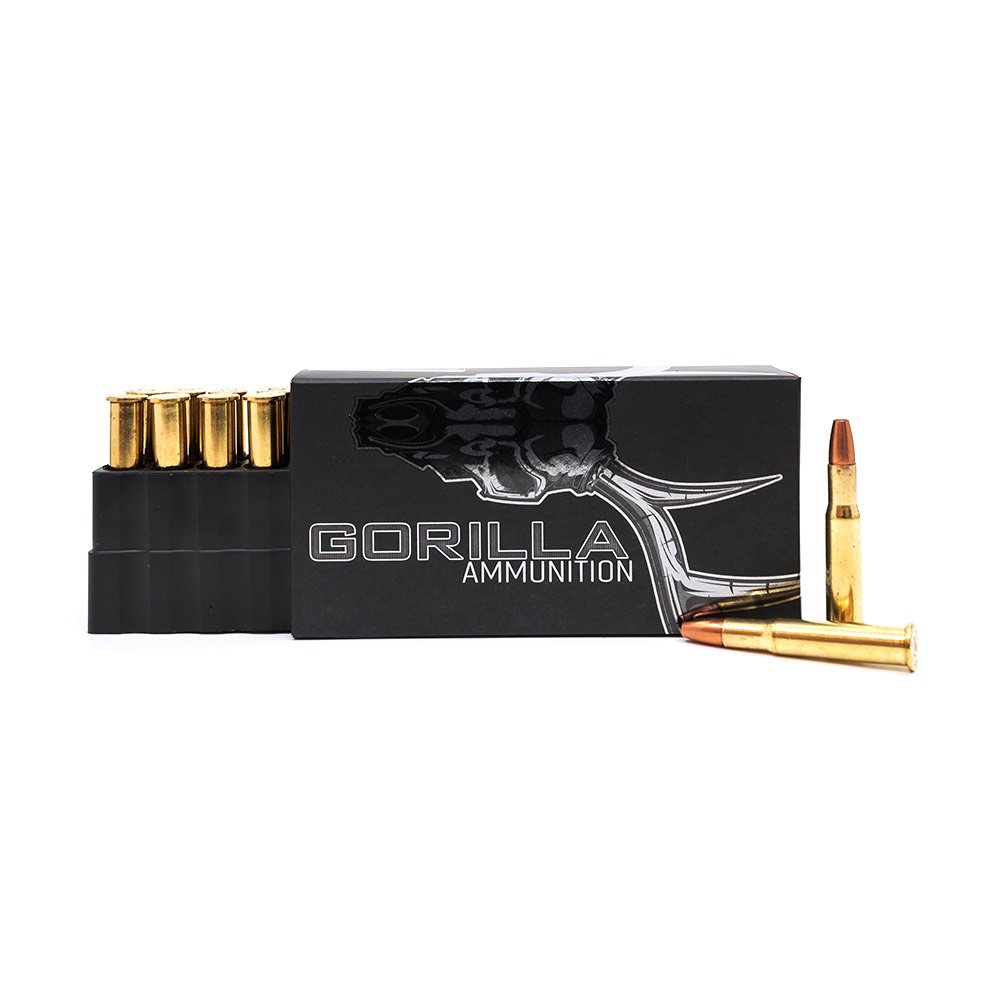
The Blackout Ammunition 30-30 Win 140gr Punisher Series, Fracturing, 20 Round Box is a .30-30 Winchester load held in stock. What follows is the practical version: construction, velocity, and who it suits.
Specifications
| Cartridge | .30-30 Winchester |
|---|---|
| Bullet weight | 140 grain |
| Projectile | Fracturing |
| Bullet diameter | .308 |
| Typical muzzle velocity | 2,200 to 2,400 fps |
| Usual twist rate | 1:12 |
| Platform | lever action |
| Rounds per pack | 20 |
| SKU | GA3030140PS |
| Price | $44.99 |
| Cost per round | $2.250 |
What this fracturing bullet is built to do
This is a engineered to break apart in a controlled way on impact, converting velocity into rapid energy transfer rather than pass-through.
Construction decides terminal behaviour far more than weight does. Two loads of the same grain weight with different jackets do completely different things at the target.
Working with 30-30 WIN
Tubular magazines historically required flat or soft points; monolithic designs sidestep that constraint.
Muzzle velocity for .30-30 Winchester typically runs 2,200 to 2,400 fps, from a lever action platform with a 1:12 twist. Treat any published velocity as indicative. Your barrel will give you a different number, and that number is the one that matters.
Why this grain weight
At 140 grain this is on the lighter side for .30-30 Winchester. Lighter bullets leave the muzzle faster and shoot flatter, which helps on smaller targets and at distance, but they bleed velocity sooner and depend more on impact speed to do their job.
What you get for the money
20 rounds at $44.99 works out at $2.250 per round. A box this size suits load development, hunting stock and defensive carry rather than high volume practice.
Before you order
Shipping rules for ammunition vary by state and sometimes by city. Some destinations require a licence, an approved recipient, or refuse delivery entirely. Check before you order rather than after. See our shipping and delivery page for the current detail.
Is this the right load for you
Loads are tools, not rankings. This suits hunters and defensive shooters who want rapid energy transfer and multiple wound paths rather than a single clean channel.
Barrel length matters
Do not assume box velocity applies to your barrel. Published figures usually come from long test barrels, and real rifles run slower. For .30-30 Winchester specifically, expect 2,200 to 2,400 fps as the published band and treat your own chronograph as the authority.
Storing ammunition
Keep cartridges cool, dry and at stable temperature. Heat cycling in a garage or vehicle does more damage over time than age does, and factory packaging protects bullet tips from knocking together.
See also
Browse .30-30 Winchester ammunition for other weights and projectile types, or run your setup through the ballistics calculator.
Choosing .30-30 Winchester over something else
Against .308 Winchester it gives up velocity and range, and keeps the handiness of a lever gun. Against .45-70 it trades frontal area for a flatter trajectory.
There is no universally correct answer here, only a correct answer for a given rifle, distance and target.
How this is stored
What ships is sealed factory ammunition, stored indoors and rotated so the oldest stock moves first. Packing is chosen to stop cartridges moving inside the box.
If this is your first purchase in this calibre, buy one box before you buy ten. Rifles are individual, and a load that groups beautifully in one barrel can string in another for no obvious reason.
Frequently asked questions
What rifle does .30-30 Winchester run in?
.30-30 Winchester is normally chambered in a lever action platform with a 1:12 twist. Tubular magazines historically required flat or soft points; monolithic designs sidestep that constraint.
What velocity should I expect from .30-30 Winchester?
Typically 2,200 to 2,400 fps. Barrel length, temperature and lot all shift it, so chronograph your own rifle.
Is the fracturing projectile suitable for what I am shooting?
It is a engineered to break apart in a controlled way on impact, converting velocity into rapid energy transfer rather than pass-through. Match that against your intended use before buying.
Why choose 140 grain?
Weight sets the trade between velocity and momentum. 140 grain is one point on that curve; the right pick depends on your barrel, your distance and your target rather than on the number itself.
What is in the pack?
20 rounds at $44.99, which is $2.250 per round.
How quickly does this ship?
It is in stock and ships from the United States. Processing times and carrier detail are on the shipping page.
Are there places you cannot ship ammunition?
Yes. A number of states and municipalities restrict or licence ammunition delivery. Check the shipping page for the current list before ordering.
Do you offer bulk pricing?
Larger pack sizes carry a lower cost per round, which is listed on each product page so you can compare directly rather than doing the arithmetic yourself.
Do you sell components for this cartridge?
We stock projectiles and brass for several of our calibres alongside loaded ammunition. Check the projectiles and brass category for what is currently available.
How is this stored before it ships?
Indoors at stable temperature, rotated oldest first, and packed so cartridges do not move in transit.
| Weight | 1.5 lbs |
|---|
Be the first to review “Blackout Ammunition 30-30 Win 140gr Punisher Series, Fracturing, 20 Round Box”
Related products
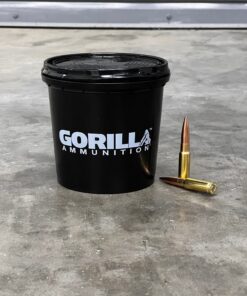
8.6 Blackout Ammo
Blackout, 8.6 Blackout, 300gr Sierra MatchKing Subsonic Ammunition, 80 Round Bucket
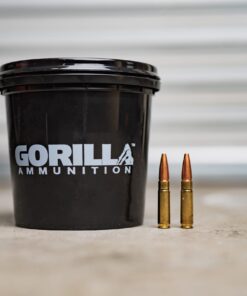
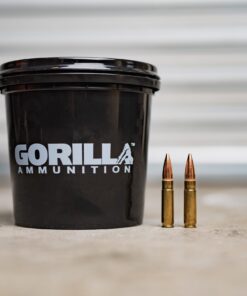
300 Blackout Ammo
Blackout Ammunition .300 Blackout 147gr FMJ, 160 Round Bucket
8.6 Blackout Ammo
300 Blackout Ammo
Blackout Ammunition .300 Blackout 115gr Punisher Series Fracturing, 160 Round Bucket
8.6 Blackout Ammo
Reviews
There are no reviews yet.