8.6 Blackout Barrels: Twist, Length and What to Buy
An 8.6 Blackout barrel is defined by one number before any other: the twist rate. Get that right and the cartridge does what it was built to do. Get it wrong and you own a rifle that groups acceptably and fails at the one job the round exists for. This page covers what to buy, what to verify, and why the usual barrel logic does not apply here.
1:3 twist, and why it is not negotiable
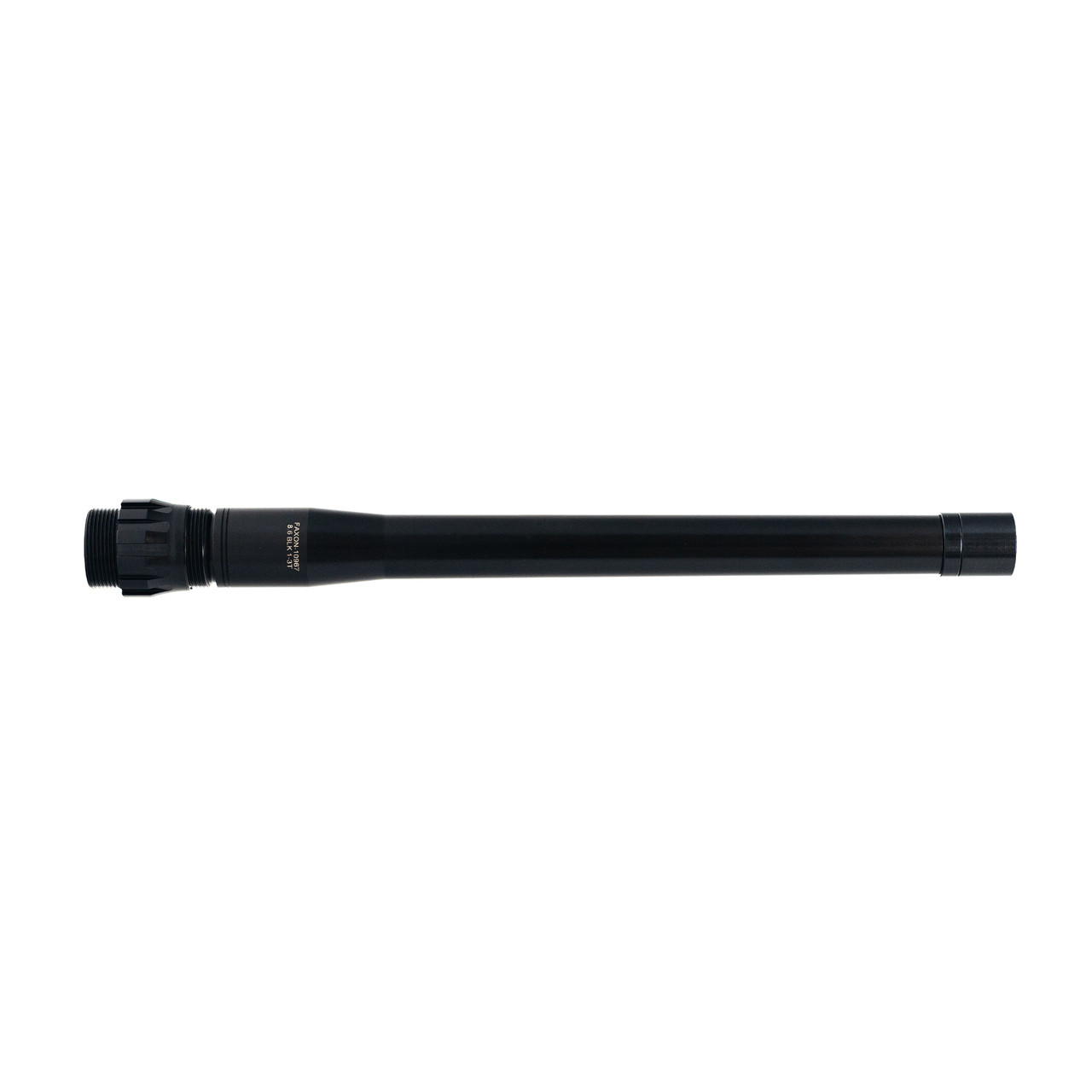
Most rifle barrels exist to stabilise a bullet. An 8.6 Blackout barrel has a second and more important job. Expansion is normally driven by impact speed, and a subsonic projectile simply does not arrive fast enough to deform a jacket designed for rifle velocities. That is why subsonic loads across most cartridges behave like slow solids and disappoint people who expected otherwise.
A 1:3 twist spins a 342 grain .338 bullet past roughly 250,000 rpm. That rotational energy tears expanding and fracturing designs open where velocity cannot. The twist is not there for stability, it is there for terminal performance.
This means a slower twist 8.6 barrel is not a cheaper option, it is a different and worse product. It will stabilise. It will group. It will not deliver expansion at subsonic velocity, and expansion at subsonic velocity is the entire commercial argument for the cartridge. Our twist rate guide covers the physics in detail.
Barrel length: shorter than you think
8.6 Blackout finishes burning its powder charge at around eight inches. That single fact inverts the usual barrel length logic.
Subsonic loads run roughly 1,000 to 1,060 fps whether the barrel is eight inches or sixteen. You lose almost nothing going short, and you gain a great deal in handling once a .338 rated suppressor adds several inches to the muzzle. For a dedicated suppressed subsonic rifle, a short barrel is the correct answer rather than a compromise.
Supersonic loads do respond to length, gaining roughly 150 to 200 fps between eight and sixteen inches. If supersonic performance matters, longer earns its keep. If it does not, it is dead weight.
| Barrel length | Subsonic velocity | Supersonic velocity | Best for |
|---|---|---|---|
| 8 inches | Approx 1,000 to 1,030 fps | Approx 1,900 to 2,050 fps | Suppressed subsonic, maximum handiness |
| 10 to 12 inches | Approx 1,010 to 1,045 fps | Approx 2,000 to 2,150 fps | Balanced suppressed build |
| 16 inches | Approx 1,020 to 1,060 fps | Approx 2,150 to 2,400 fps | Supersonic hunting, non NFA rifle length |
Figures are nominal and vary by load, lot and individual barrel. Chronograph your own rather than trusting any table, including this one.
Muzzle threading
Almost every 8.6 Blackout barrel is bought to be suppressed, so thread pitch is not an afterthought. Confirm the pitch matches a suppressor you own or intend to buy before ordering, because rethreading is avoidable work.
Check thread length and shoulder as well as pitch. A can that times incorrectly against the shoulder does not sit square, and a suppressor that is not concentric with the bore is how baffle strikes happen.
Contour and weight
Contour decides how the barrel heats and how the rifle hangs. A heavier profile holds point of impact longer through a string and steadies the rifle on a bipod. A lighter profile carries far better on a hunt and heats faster.
Weight matters more here than on most builds because a .338 rated suppressor is itself heavy, and it all sits at the far end of the rifle. A heavy barrel plus a heavy can produces a rifle that is superb prone and tiring to carry. Decide which of those you actually do.
Material and finish
Stainless and chrome moly both work, and the practical difference is corrosion resistance against cost rather than accuracy. Nitride and similar surface treatments extend service life and are common on production barrels.
Barrel life on 8.6 Blackout is not a pressing concern for most owners. Subsonic loads run at modest pressure and velocity, which is gentle on throats. A rifle shot mostly subsonic will outlast the same barrel fed a diet of high velocity supersonics by a wide margin.
Gas system, if it is a gas gun
On an AR-10 pattern rifle the barrel is only half the decision, because gas port size and gas system length have to suit the cartridge and the load. Subsonic and supersonic 8.6 generate very different pressures, and a fixed gas system tuned for one will be poorly tuned for the other.
An adjustable gas block is close to essential on any 8.6 gas gun intended to shoot both. Budget for it with the barrel rather than discovering the need at the range. Bolt actions sidestep the problem entirely, which is one reason many 8.6 owners end up with one. See our 8.6 Blackout rifles page.
Buying a barrel or buying complete
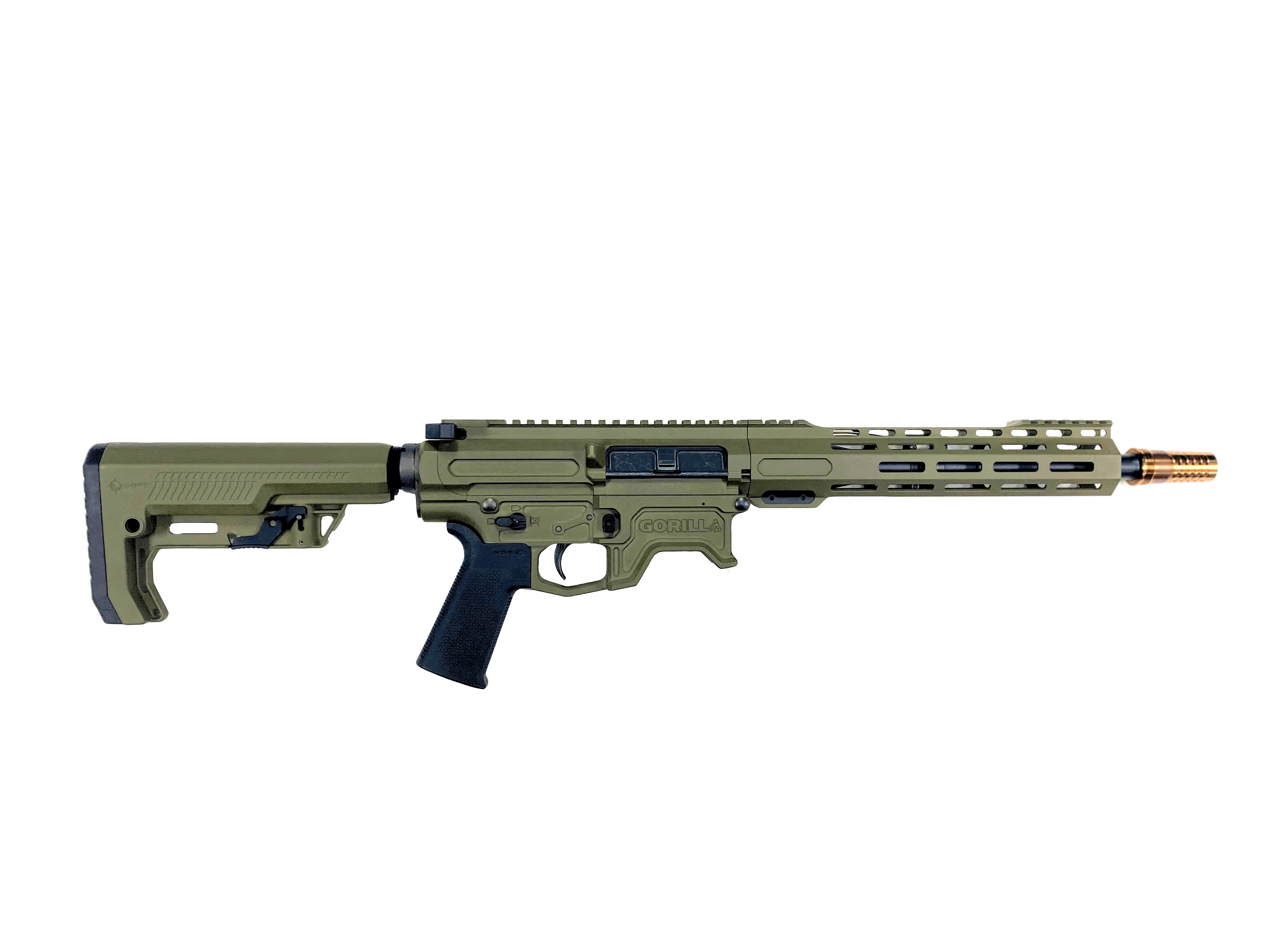
A bare barrel means fitting, chambering and headspacing, which is gunsmith work unless you are properly equipped. A complete upper arrives headspaced with the gas system already matched to the barrel length, which removes the failure modes that cause most home build problems.
Browse complete 8.6 Blackout uppers if you already own a compatible lower, 8.6 Blackout barrels for the component route, and our conversions guide if you are rebarrelling a rifle you already own.
What to verify before ordering
Twist rate is 1:3, confirmed by the manufacturer rather than inferred from a listing. Thread pitch matches your suppressor. Barrel extension and receiver pattern match your upper, since AR-10 pattern is not standardised. Gas system length suits the barrel length. Chamber specification is genuine 8.6 Blackout rather than a wildcat variant with a similar name.
Ask for the twist rate in writing. It is the one specification that cannot be corrected later without buying a second barrel.
After fitting
Chronograph before trusting anything. Subsonic loads need to sit comfortably below the sound barrier in your specific barrel, and a load that runs 1,080 fps in one rifle can creep transonic in another, which sounds bad and shoots worse.
Zero subsonic and supersonic separately and record both, since they will not share a zero. Check figures against the 8.6 Blackout ballistics chart or run your setup through the ballistics calculator, then feed it from our 8.6 Blackout ammunition range.
Cartridge specifications follow published SAAMI standards, and the cartridge was developed by Q LLC.
Chamber specification and headspace
Confirm the barrel is chambered to genuine 8.6 Blackout rather than a wildcat with a similar name. The cartridge is young enough that variants exist, and a chamber cut to a slightly different specification will produce pressure and extraction behaviour you did not sign up for.
Headspace should be set with go and no go gauges against the actual bolt that will be used, not a generic one. On a prefit barrel this is done for you provided the shoulder is correct for your action; on a blank it is gunsmith work. Either way, verify before firing rather than after.
Break in and cleaning
Break in advice for 8.6 Blackout barrels is much the same as for any other, which is to say contested. Follow the manufacturer’s guidance, because they know what their own finishing process leaves in the bore and nobody on a forum does.
Cleaning matters more on a suppressed rifle than an unsuppressed one, because a can raises back pressure and pushes more fouling into the action. That is an action cleaning issue rather than a bore one, but it is the part people forget when they move from an open muzzle to a suppressed rifle.
Subsonic loads foul differently from supersonic, and a rifle alternating between the two collects both. None of this is difficult, it simply needs doing more often than an unsuppressed rifle shooting one load type.
Matching the barrel to how you actually shoot
The temptation with a new cartridge is to build for the most demanding scenario imaginable. Resist it. If the rifle exists to take hogs inside a hundred yards under a suppressor, a short light barrel serves you better than a heavy sixteen inch that produces velocity you will never use and weight you will carry every time.
Conversely, if you genuinely shoot supersonic loads at two hundred yards and beyond, the longer barrel is not vanity, it is the difference between a load that performs and one that arrives marginal. Be honest about which shooter you are before choosing.
Prefit barrels and shouldered options
Prefit barrels have changed the economics of rebarrelling considerably. On supported actions a shouldered prefit can be fitted with a barrel vice and an action wrench, with headspace already correct because the shoulder position is machined to the action specification rather than cut to the individual receiver.
The caveat is that prefit means prefit for a named action. A shoulder cut for one manufacturer’s receiver will not headspace correctly in another, even where the thread pattern matches. Confirm the specific action model before ordering, and confirm it again if you have ever had the receiver trued.
Where a prefit is not available for your action, a blank and a gunsmith remains the route, and the cost difference is mostly labour rather than the barrel itself.
Buying used or takeoff barrels
Takeoff barrels from complete rifles appear regularly and can be good value, but the checks matter more on this cartridge than most. Confirm the twist rate independently rather than trusting the listing, since 8.6 barrels of the wrong twist do exist and the seller may not know the difference.
Ask about round count and what was shot through it. A barrel fed mostly subsonic loads has had an easy life; one fed a diet of high velocity supersonics has not. Inspect the crown and the throat if you can, and ask why it was removed, because the answer is occasionally informative.
Frequently asked questions about 8.6 Blackout barrels
What twist rate does an 8.6 Blackout barrel need?
1:3. It is the factory specification and the reason the cartridge works. The fast twist supplies rotational energy that makes expanding subsonic bullets open at roughly 1,050 fps, which velocity alone cannot do at subsonic speed.
What is the best barrel length for 8.6 Blackout?
The powder charge is finished by about eight inches, so subsonic velocity barely changes between eight and sixteen inches. Short barrels are the right answer for suppressed subsonic use. Choose longer only if supersonic performance matters, where you gain roughly 150 to 200 fps.
Will a slower twist barrel work?
It will stabilise the bullet and produce groups, and it will not deliver reliable expansion at subsonic velocity. Since subsonic terminal performance is the entire argument for the cartridge, a slower twist barrel defeats the purpose.
Does a short barrel lose much velocity?
On subsonic loads, almost none, because they are capped below the sound barrier by design. On supersonic loads you give up roughly 150 to 200 fps going from sixteen inches to eight.
What thread pitch do 8.6 Blackout barrels use?
It varies by manufacturer. Confirm the pitch against the suppressor you own or intend to buy before ordering, and check thread length and shoulder as well as pitch.
Do I need an adjustable gas block?
On a gas gun intended to run both subsonic and supersonic, effectively yes. The pressure difference between the two is large enough that a fixed system tuned for one will be poorly tuned for the other.
Can I fit an 8.6 Blackout barrel myself?
Only with the tooling to chamber and headspace properly. Most buyers use a gunsmith for a bare barrel, or buy a complete upper that arrives headspaced with the gas system already matched.
How long do 8.6 Blackout barrels last?
Longer than most, if you shoot mostly subsonic. Low pressure and low velocity are gentle on throats. A diet of high velocity supersonics wears a barrel considerably faster.
Stainless or chrome moly?
Both work. The practical difference is corrosion resistance against cost rather than accuracy. Surface treatments such as nitride extend service life on either.
Will an 8.6 barrel fit my AR-10?
Check the barrel extension and receiver pattern, because AR-10 is not standardised the way AR-15 is. Dimensions vary between manufacturers, so confirm compatibility rather than assuming it.