Guides
Bulk 300 Blackout Ammo: Best In-Stock Deals (2026)
Jun
Buying bulk 300 Blackout ammo is how serious shooters keep their rifles fed without overpaying or running dry. Whether you train hard, stockpile against price swings, or just hate reordering every month, bulk 300 Blackout ammo lowers your cost per round and guarantees you always have rounds on the shelf. This guide covers how to buy bulk 300 Blackout ammo the smart way — supersonic versus subsonic for volume, what to look for, how to store it, and how to make sure you’re getting genuine quality at a real bulk price.
Why buy 300 Blackout in bulk
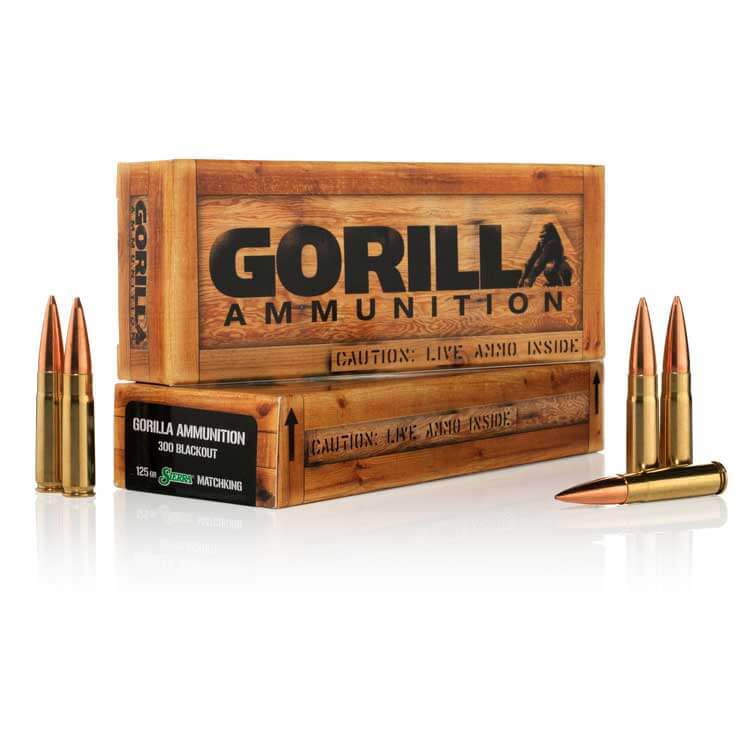
There are three solid reasons to buy bulk 300 Blackout ammo. First, cost: per-round pricing drops meaningfully when you buy buckets, cases or larger quantities instead of single 20-round boxes. Second, availability: ammo supply and price can swing with demand, and a stocked shelf means you’re never caught short or paying panic prices. Third, convenience: high-volume shooters and hunters who run the cartridge hard simply don’t want to reorder constantly. For all three reasons, buying bulk 300 Blackout ammo is the practical move for anyone who shoots the cartridge regularly.
Supersonic vs subsonic for bulk buying
Most bulk 300 Blackout ammo purchases are supersonic loads — they’re the everyday training and general-purpose rounds, and the most economical to shoot in volume. If you do a lot of suppressed shooting, buying subsonic in bulk also makes sense, though subsonic loads typically cost a bit more per round than basic supersonic plinking ammo. Many shooters keep a bulk supply of affordable supersonic for practice and a separate stock of quality subsonic for suppressed and hunting use. Decide based on how you actually shoot.
What to look for in bulk 300 Blackout ammo
Cheaper per round shouldn’t mean lower quality. When you buy bulk 300 Blackout ammo, look for:
- Consistent, quality manufacturing. Bulk doesn’t have to mean bargain-bin — reputable makers hold tolerances even on volume ammo.
- Brass cases for reliable cycling and, if you reload, reusable brass.
- The right bullet for the job: FMJ or basic projectiles for cheap training volume, quality expanding bullets where terminal performance matters.
- Reliable feeding in your rifle — buy a box first to confirm before committing to a case.
How much should you buy?
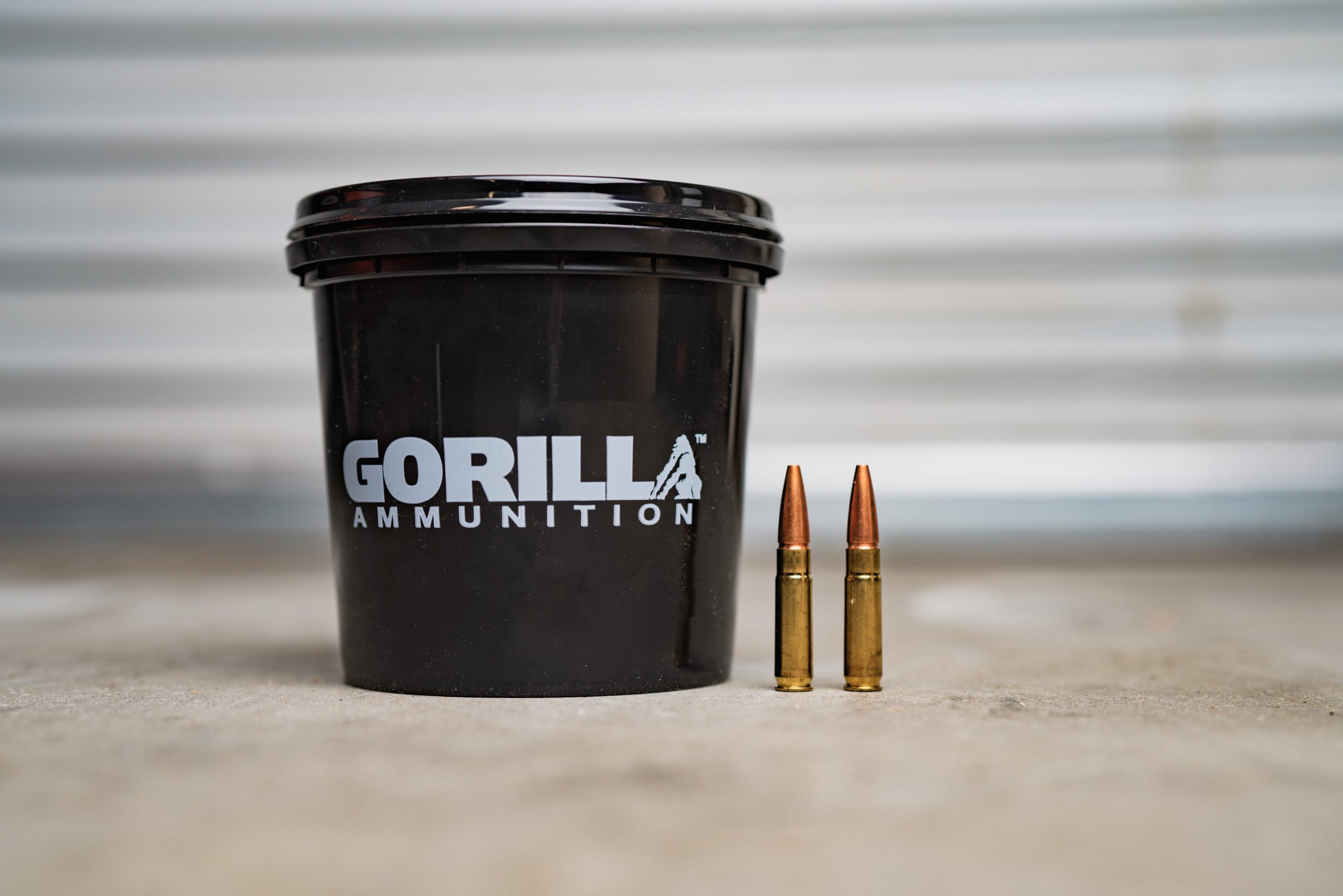
How much bulk 300 Blackout ammo to buy depends on how you shoot. A casual shooter might keep a few hundred rounds on hand; a regular trainer or hunter often keeps 500–1,000+ rounds. Buying a bucket (often 160 rounds) or a case is the usual entry point for bulk pricing. A sensible approach is to buy a manageable bulk quantity of a load you’ve already confirmed runs well in your rifle, then reorder as you draw it down — keeping a steady reserve rather than scrambling when supply tightens.
Storing bulk ammo properly
Buying bulk 300 Blackout ammo is only worthwhile if you store it well. Ammunition keeps for many years when stored cool, dry and stable. Keep it out of high heat and humidity, ideally in sealed ammo cans with desiccant, away from temperature extremes. Properly stored, your bulk supply will be just as reliable years from now as the day you bought it. Poor storage — damp garages, big temperature swings — is the main thing that degrades ammo over time, so a few cheap ammo cans protect your investment.
Bulk buying and price swings
Ammo prices move with demand, elections, supply disruptions and seasonality. One real advantage of buying bulk 300 Blackout ammo during stable, well-supplied periods is insulating yourself from those swings. Shooters who stocked up during calm markets shoot through shortages comfortably while others pay premiums or find empty shelves. You don’t need to hoard — just keep a sensible reserve topped up when prices and availability are good, and you’ll rarely overpay.
Is bulk 300 Blackout ammo worth it?
For anyone who shoots the cartridge regularly, yes. The per-round savings, guaranteed availability and convenience of buying bulk 300 Blackout ammo add up quickly. The only shooters who might skip bulk are those who fire just a handful of rounds a year, where a box or two suffices. For everyone else — trainers, hunters, defensive shooters and enthusiasts — bulk is simply the smart, economical way to own and feed a 300 Blackout.
Reloading and bulk components
If you reload, bulk extends even further. Buying bulk projectiles, brass and primers drops your cost per round below factory ammo and lets you tailor loads to your rifle. 300 Blackout is popular with reloaders precisely because brass is plentiful (including formed from 5.56 cases) and the cartridge is forgiving to load. Even if you shoot factory bulk 300 Blackout ammo now, saving your brass keeps the door open to reloading later. Browse components alongside loaded ammo to build your supply.
Checking stock and ordering
The best time to buy bulk 300 Blackout ammo is when it’s in stock and fairly priced — not when you suddenly need it. Keep an eye on availability, buy genuine ammunition from a trusted source, and confirm your chosen load runs in your rifle before committing to a case. Review shipping and any age or location requirements before you order so delivery is smooth. A little planning means you’re always stocked and never paying shortage prices.
Bulk buying for hunters
Hunters have their own reasons to buy bulk 300 Blackout ammo. Sighting in, confirming zero before a season, and practicing field positions all burn through rounds, and you want your hunting load — not just cheap plinking ammo — to be the one you’ve practiced with. Buying a bulk quantity of your chosen hunting load lets you train with the exact round you’ll carry, then keep plenty in reserve for the season. Because terminal performance matters on game, hunters should prioritize quality expanding loads even when buying in volume, rather than defaulting to the cheapest bulk option.
Case lots vs buckets vs boxes
Bulk 300 Blackout ammo comes in a few formats. Single 20-round boxes are convenient but the most expensive per round. Buckets — often around 160 rounds — are a popular middle ground that delivers real bulk savings without committing to a full case. Case lots (the largest quantities) offer the lowest cost per round and are ideal for high-volume shooters and serious stockpiling. Match the format to your needs and budget: a bucket is a great way to start buying bulk, while case lots reward those who shoot a lot and have the storage.
Brass vs steel cases
Case material matters when buying bulk 300 Blackout ammo. Brass-cased ammo cycles reliably, is gentler on your chamber, and is reloadable — valuable if you save your brass. Steel-cased ammo can be cheaper but isn’t reloadable and some rifles run it less reliably. For most shooters stocking up, quality brass-cased bulk 300 Blackout ammo is the better long-term value, especially if you might reload later. Confirm whatever you buy cycles cleanly in your specific rifle before committing to a large quantity.
Bulk ammo and rifle reliability
The golden rule of buying bulk 300 Blackout ammo: test before you commit. Buy a single box of a given load, confirm it feeds, fires and ejects flawlessly and groups acceptably in your rifle, and only then buy it by the bucket or case. Buying a case of ammo your rifle doesn’t run well is a costly mistake. A few minutes of testing protects a significant bulk purchase and ensures the rounds you stockpile are rounds you can actually trust when it counts.
Building a long-term ammo supply
Smart shooters treat bulk 300 Blackout ammo as a managed reserve rather than a one-time hoard. Set a baseline quantity you want on hand, buy it when prices and availability are good, and top it up as you draw it down so you maintain a steady supply. Rotate older stock to the front and shoot it first. This approach keeps you insulated from price spikes and shortages without tying up excessive cash, and it means you’re always ready for a range trip, a season, or whatever comes — which is the whole point of buying in bulk.
Frequently asked questions
Where can I buy bulk 300 Blackout ammo?
Blackout Ammunition stocks genuine 300 Blackout in buckets, boxes and larger quantities. Browse our 300 Blackout collection for current in-stock bulk options and pricing.
Is bulk 300 Blackout ammo cheaper?
Yes — buying buckets or cases lowers your cost per round versus single 20-round boxes, which is the main reason to buy bulk 300 Blackout ammo.
How long does bulk ammo last in storage?
Many years if stored cool, dry and stable — ideally in sealed ammo cans away from heat and humidity. Proper storage keeps bulk ammo reliable for a long time.
Should I buy supersonic or subsonic in bulk?
Most buy supersonic for affordable training volume. If you shoot suppressed a lot, buying subsonic in bulk also makes sense, though it usually costs a bit more per round.
How much bulk 300 Blackout ammo should I keep?
It depends on how much you shoot — many regular shooters keep 500–1,000+ rounds and reorder as they draw it down to maintain a steady reserve.
Is brass or steel better for bulk 300 Blackout ammo?
Brass is generally the better long-term value — reliable cycling and reloadable. Steel can be cheaper but isn’t reloadable and some rifles run it less reliably.
What format gives the best bulk price?
Case lots offer the lowest cost per round; buckets (around 160 rounds) are a popular middle ground; single boxes cost the most per round.
Final word: stock smart, shoot more
Here is a quick buying checklist for bulk 300 Blackout ammo: confirm the load runs in your rifle, choose brass-cased quality over the absolute cheapest option, decide between supersonic for volume and subsonic for suppressed use, buy a bucket or case while prices and stock are good, and store it cool and dry in sealed cans. Follow those five steps and every round you stockpile is a round you can trust when you need it.
Buying bulk 300 Blackout ammo is simply the practical way to own the cartridge if you shoot it regularly. You lower your cost per round, insulate yourself from price swings and shortages, and never have to cut a range trip short for lack of ammo. The smart approach isn’t panic-hoarding — it’s keeping a sensible, well-stored reserve of a load you’ve confirmed runs in your rifle, topped up when prices and availability are good. Test before you commit to a case, store it cool and dry, rotate your stock, and you’ll always be ready. Stock smart and the only thing left to do is shoot more — which is the whole point of buying bulk 300 Blackout ammo in the first place.
Does bulk 300 Blackout ammo expire?
Not in any practical sense if stored well. Quality ammunition kept cool, dry and stable stays reliable for many years — poor storage, not age, is what degrades ammo.
Should hunters buy bulk hunting loads or cheap bulk plinking ammo?
Buy enough of your actual hunting load to practice and confirm zero, and stock cheaper supersonic separately for high-volume practice. Train with the round you’ll carry, then keep plenty in reserve.
Is it cheaper to reload 300 Blackout than buy bulk?
Reloading can drop your cost per round below factory bulk, especially using brass you’ve saved or formed from 5.56. Many shooters run factory bulk now and save brass to reload later.
Shop bulk 300 Blackout ammo in stock
Ready to stock up? Blackout Ammunition carries genuine bulk 300 Blackout ammo — buckets, boxes and volume options — ready to ship. Browse the 300 Blackout ammo collection, compare subsonic vs supersonic loads, check shipping & delivery, or read the FAQ. For suppressors, components and more, visit our sister store blackoutammo.shop.
Last updated: June 2026. In-stock status changes — check the product pages for current availability. You must be 21 or older to purchase rifle ammunition; comply with all federal, state and local laws.
