Guides
Best 300 Blackout Ammo for Home Defense (2026)
Jun
.300 Blackout has earned a real following for home defense, and choosing the right 300 Blackout for home defense load is what turns that reputation into genuine capability. The cartridge delivers serious .30-caliber energy from a short, maneuverable barrel — exactly the compact AR setup that makes sense inside a home. But not every load is a defensive load, and picking 300 Blackout for home defense means understanding bullet choice, barrel length, suppressors and the trade-offs that matter when it counts. This guide covers how to choose, what to look for, and the realistic considerations behind a defensive 300 BLK build.
Why 300 Blackout works for home defense
The cartridge was designed to perform from short barrels, and that’s its biggest home-defense advantage. A 300 BLK pistol or SBR with an 8–10″ barrel delivers close to its full energy, while a 5.56 from the same short barrel loses a lot of velocity and terminal performance. Short barrel, full power and a light, handy rifle is a strong combination for defending a home, where maneuverability in tight spaces matters as much as raw ballistics. That’s the core reason so many people now build 300 Blackout for home defense rather than defaulting to a carbine-length 5.56.
Supersonic vs subsonic for defense
For home defense, supersonic loads are generally the better choice. The higher velocity (around 2,000–2,400 FPS) is what drives reliable bullet expansion and energy transfer. Subsonic 300 BLK is wonderfully quiet, but at ~1,000 FPS many bullets won’t expand reliably, which can mean over-penetration and less stopping effect — not ideal for defense. If maximum quiet is your priority you can run subsonic with a purpose-built expanding bullet, but most defenders choosing 300 Blackout for home defense should start with a quality supersonic expanding load.
What to look for in a defensive load
A defensive load has a tougher job than a range round. Prioritize these qualities:
- Reliable expansion at your barrel length. Choose a bullet engineered to open at 300 BLK velocities from a short barrel — quality hollow points or bonded/controlled-expansion designs.
- 100% reliable feeding. A defensive load must cycle flawlessly in your rifle. Test it thoroughly before you trust it.
- Controlled penetration. You want enough penetration to be effective but a bullet that expands rather than zipping straight through walls. Expanding supersonic bullets help here.
- Consistency. Quality-controlled ammunition that shoots to the same point of impact, every time.
The recommended profile
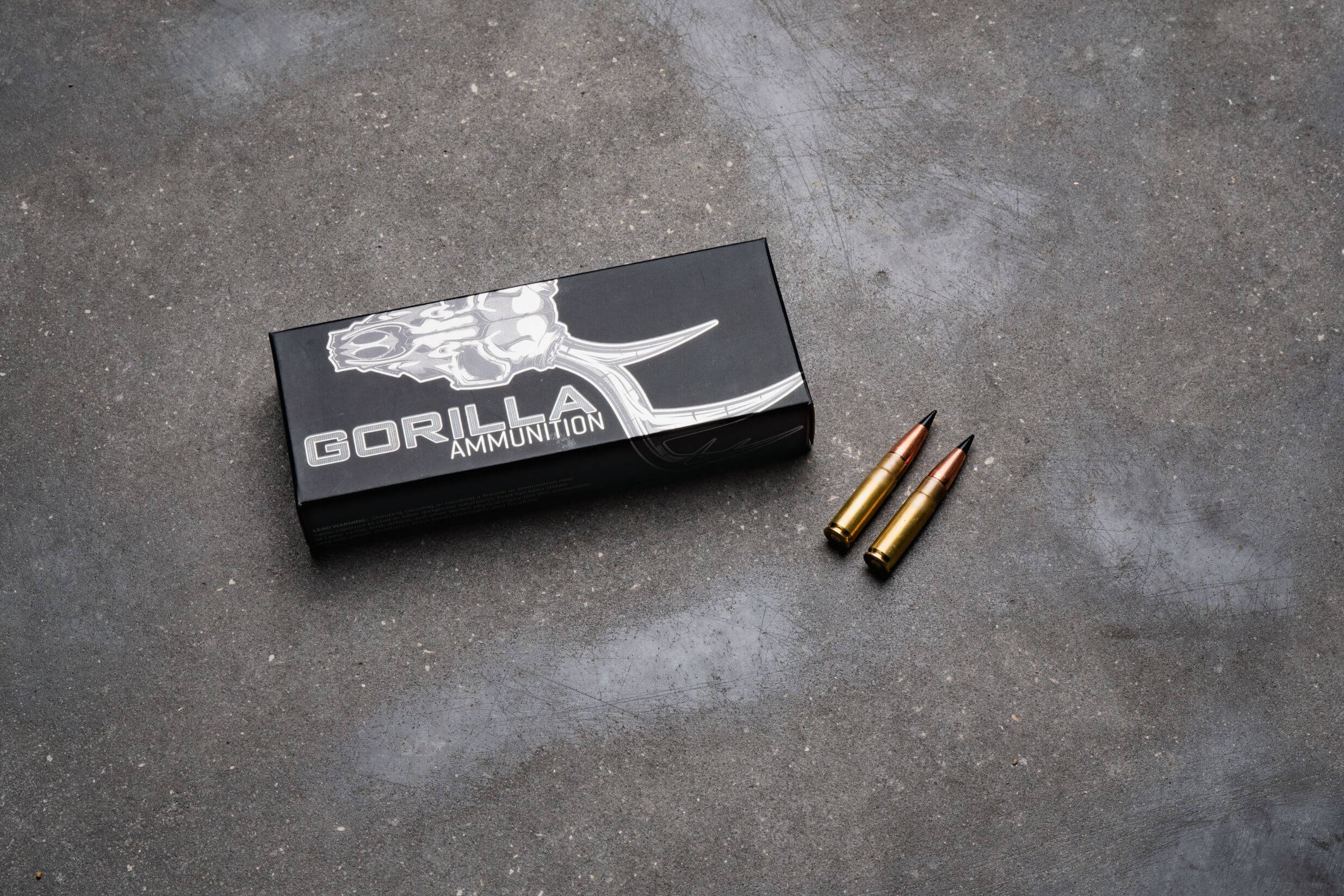
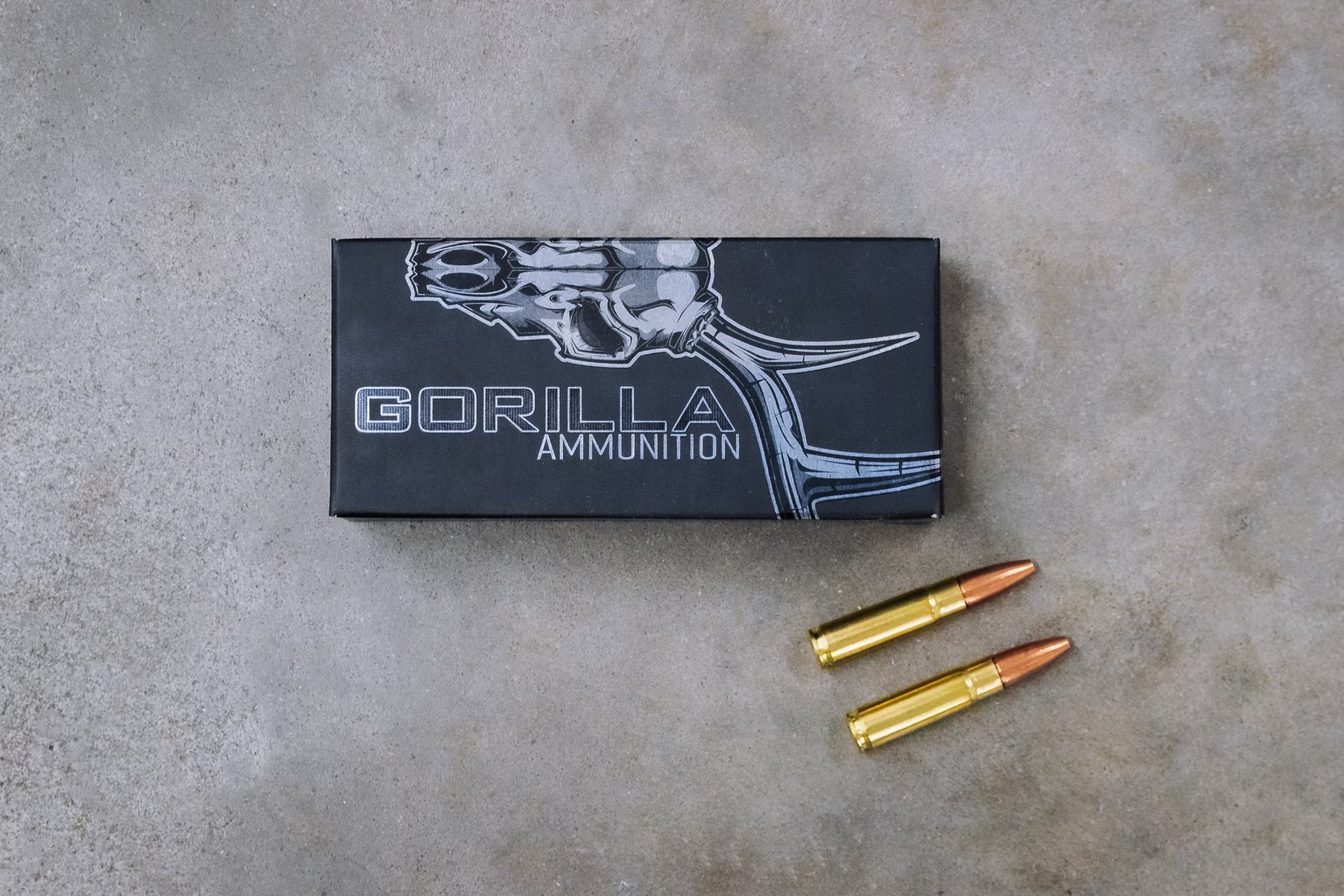
A 110–135gr supersonic expanding/hollow-point load is the sweet spot for most home-defense 300 BLK builds: enough velocity for reliable expansion, manageable recoil, and strong energy from a short barrel. Bonded or controlled-expansion designs add barrier performance if that matters to your situation. Whatever you choose for 300 Blackout for home defense, confirm it feeds flawlessly and groups acceptably in your specific rifle before relying on it. Browse defensive options in our 300 Blackout ammo collection.
Barrel length for a defensive build
8–10″ barrels are popular for defensive 300 BLK — compact, maneuverable indoors, and still close to full power thanks to the cartridge’s short-barrel design. A pistol or SBR configuration keeps the overall length short for clearing rooms and tight spaces. Longer barrels add velocity but cost handiness, which is usually the wrong trade for a home gun. The ability to deliver full energy from a short barrel is precisely why 300 Blackout for home defense has become so popular versus 5.56 in the same length.
Suppressors and home defense
A suppressor is a serious asset for a home-defense rifle. An unsuppressed rifle fired inside a house is deafening and can cause permanent hearing damage and disorientation at the worst possible moment. A can meaningfully reduces blast and helps preserve your hearing and situational awareness — though supersonic loads still produce a sonic crack. If you suppress your 300 Blackout for home defense, confirm your defensive load cycles reliably suppressed, and consider an adjustable gas block for tuning. Suppressors and mounts are available at our sister store, blackoutammo.shop.
A word on over-penetration
Over-penetration is a legitimate concern in any home, and load choice helps manage it. Compared with some pistol-caliber or FMJ options, an expanding supersonic rifle round can actually offer favorable indoor terminal behavior — it dumps energy and expands rather than carrying straight through like full metal jacket. That said, no round is truly “wall-safe.” Choosing an expanding bullet for your 300 Blackout for home defense, knowing your home’s layout, and training to account for it are all part of responsible preparation.
Recoil, control and follow-up shots
300 Blackout is mild-recoiling, which matters under stress. Lower recoil means faster, more accurate follow-up shots and easier control for shooters of different sizes and strengths. From a short, suppressed rifle the cartridge is genuinely pleasant and controllable, which is a real advantage when adrenaline is high and precision counts. That manageability is one more reason 300 Blackout for home defense appeals to such a wide range of users.
Reliability is everything
No defensive load matters if the rifle doesn’t run. Before you trust any 300 Blackout for home defense setup, put enough rounds of your chosen defensive load through it to be confident it feeds, fires, extracts and ejects without fail — suppressed and unsuppressed if you’ll use it both ways. Keep the rifle clean and maintained, use quality magazines, and re-confirm your zero periodically. Reliability and a confirmed zero are worth more than any ballistic spec on the box.
Train with your defensive setup
Gear is only half the equation. Whatever load and rifle you choose for 300 Blackout for home defense, train with that exact configuration: shoot it suppressed if that’s how you’ll run it, practice from realistic positions, and know your holdovers at in-home distances. Familiarity and competence with your specific setup matter far more in a real situation than the last few foot-pounds of energy. Build the skill to match the hardware.
300 Blackout vs pistol calibers for defense
Many homeowners default to a pistol-caliber carbine or handgun for defense, so it’s worth seeing where 300 Blackout for home defense fits. Against a 9mm carbine, 300 BLK offers a larger-diameter, higher-energy rifle bullet that expands aggressively, generally delivering more decisive terminal performance. The trade is a bit more blast and cost per round. For shooters who want rifle-class effectiveness in a short, suppressor-friendly package — without stepping up to the blast and over-penetration concerns of unsuppressed 5.56 indoors — 300 Blackout splits the difference nicely. It’s a rifle round engineered to behave well from short barrels, which is exactly the indoor use case.
300 Blackout vs 5.56 for the home
The most common comparison is 300 Blackout versus 5.56. From a short barrel, 5.56 sheds velocity quickly and can become less reliable terminally, while 300 BLK was designed to deliver full energy from 8–10″ tubes. 5.56 wins on ammo cost and availability; 300 BLK wins on short-barrel performance and suppressor friendliness. For a dedicated short, suppressed home gun, many shooters prefer 300 Blackout for home defense for exactly these reasons. If you want the full breakdown, see our dedicated 300 Blackout vs 5.56 comparison.
Legal and safety considerations
Defensive firearm use is governed by federal, state and local law, and the rules around suppressors, magazine capacity, SBRs and the lawful use of force vary widely. None of this article is legal advice. Before you finalize a 300 Blackout for home defense plan, understand your local laws, store firearms responsibly and securely, and consider professional training in both marksmanship and the legal aspects of self-defense. Responsible ownership is as important as any ballistic choice you make.
Building a dedicated defensive 300 Blackout
If you’re assembling a purpose-built gun, a sensible 300 Blackout for home defense configuration is a short 8–10″ barrel, a reliable bolt carrier group, an adjustable gas block, a quality optic or red dot, a weapon light (identifying your target is non-negotiable), and a suppressor if legal where you live. Feed it a proven supersonic expanding defensive load, confirm 100% reliability, and zero it. Keep it simple, reliable and familiar — a defensive rifle should be a tool you trust completely, not a science project.
Optics, lights and setup for defense
A defensive rifle is a system, not just a cartridge. Pair your 300 Blackout for home defense load with a reliable red dot or low-power optic for fast target acquisition, and — critically — a weapon-mounted light, because positively identifying your target before firing is non-negotiable inside a home. Add a sling for retention, quality magazines, and a suppressor if legal where you live. The load delivers the terminal performance; the optic, light and ergonomics let you deliver it accurately under stress. Build the whole package, not just the ammo.
Practice ammo vs your defensive load
Keep two kinds of ammo for a 300 Blackout for home defense rifle: affordable practice ammo for training volume, and your chosen defensive load for actual carry in the gun. Practice broadly with inexpensive supersonic loads to build skill, but always confirm and rotate in your specific defensive load so the rounds you rely on are the ones your rifle is zeroed and proven with. Periodically shoot a few of your defensive rounds to verify reliability and replace any that have been chambered repeatedly.
Frequently asked questions
Is 300 Blackout good for home defense?
Yes. It delivers full .30-caliber energy from a short, maneuverable barrel, has mild recoil, and pairs well with a suppressor — all strong qualities for a home-defense rifle when paired with a quality expanding load.
What is the best 300 Blackout load for home defense?
A 110–135gr supersonic expanding or bonded hollow-point load is the usual best choice — reliable expansion, manageable recoil and strong short-barrel energy. Confirm it feeds and groups in your rifle.
Should I use subsonic or supersonic for home defense?
Supersonic is generally better because the higher velocity drives reliable expansion. Subsonic is much quieter but needs a purpose-built expanding bullet to be effective.
Does 300 Blackout over-penetrate walls?
No round is wall-safe, but an expanding supersonic bullet tends to dump energy and expand rather than zip straight through like FMJ. Choose an expanding load and know your home’s layout.
What barrel length is best for home defense 300 Blackout?
8–10″ barrels are popular — compact and maneuverable while still delivering near-full energy thanks to the cartridge’s short-barrel design.
Final word: capability you can trust
A good defensive rifle is one you’ve chosen deliberately, set up completely and trained with honestly. Choosing 300 Blackout for home defense gives you full .30-caliber energy from a short, maneuverable, suppressor-friendly platform with mild recoil — a genuinely strong foundation. Pair it with a quality supersonic expanding load you’ve confirmed runs flawlessly in your rifle, add an optic and a light, understand your local laws, and put in the practice. Hardware and load matter, but reliability, familiarity and responsible preparation matter more. Do all of that, and 300 Blackout for home defense is a capable, trustworthy choice for protecting what matters most.
Is a suppressor worth it for home defense?
Yes — an unsuppressed rifle fired indoors is deafening and disorienting. A suppressor meaningfully reduces blast and helps preserve hearing and awareness, though supersonic loads still crack. Confirm your defensive load cycles reliably suppressed.
What optic is best for a 300 Blackout defensive rifle?
A reliable red dot or low-power variable optic suits close-range defensive use, paired with a weapon light so you can positively identify your target before firing — which is non-negotiable indoors.
Shop 300 Blackout home-defense ammo
The right load makes a 300 Blackout for home defense build genuinely capable. Blackout Ammunition stocks quality supersonic expanding loads ideal for defense — browse the 300 Blackout ammo collection, compare loads in our subsonic vs supersonic guide, review shipping & delivery, or see the FAQ. For suppressors and gear, visit blackoutammo.shop.
Last updated: June 2026. This is general information, not legal advice; follow all applicable laws and train with your equipment. You must be 21 or older to purchase rifle ammunition.
