Guides
8.6 Blackout vs 300 Blackout: Which Is Best? (2026)
Jun
8.6 Blackout vs 300 Blackout is the question almost every suppressed-shooting and big-bore AR builder eventually asks. Both cartridges came from the same mind — Kevin Brittingham, who designed 300 Blackout at AAC and later created 8.6 Blackout at Q — and both were built around one idea: heavy, quiet, hard-hitting bullets that shine through a suppressor. But they solve that problem for two different rifles and two very different jobs. This guide breaks down the 8.6 Blackout vs 300 Blackout decision the way an experienced shooter actually thinks about it: platform, ballistics, suppressed performance, hunting, recoil, availability and price — so you can pick the right cartridge for your build the first time.

The quick answer
- Choose 300 Blackout if you want a do-everything cartridge for your AR-15 that needs nothing but a barrel swap, runs your existing 5.56 magazines, and covers defense, training and hunting at moderate range — with cheap, everywhere-available ammo.
- Choose 8.6 Blackout if you want maximum subsonic punch from an AR-10 or bolt action — a bigger .338 bullet for serious suppressed hunting and short-barrel performance, and you’re willing to build a dedicated rifle around it.
If you only remember one line from this 8.6 Blackout vs 300 Blackout comparison, make it this: 300 BLK is the practical, affordable all-rounder; 8.6 BLK is the heavy-hitting specialist. Now let’s get into why.
What is 300 Blackout?
In the 8.6 Blackout vs 300 Blackout matchup, 300 BLK is the established, do-anything option, so it is worth understanding on its own first. 300 AAC Blackout (300 BLK, or 7.62x35mm) was developed by Advanced Armament Corporation in 2010 to give AR-15 shooters .30-caliber performance from an unmodified rifle. It takes a 5.56 NATO case, trims and necks it up to hold a .308-inch bullet, and — critically — keeps the same overall length and case head, so it feeds from standard 5.56 STANAG magazines at full capacity. A 300 Blackout build is nothing more than a barrel change on an AR-15; the bolt, magazines and lower all carry over.
The cartridge runs two distinct personalities. Supersonic loads push 110–125gr bullets around 2,100–2,350 FPS for hunting and general-purpose work. Subsonic loads send heavy 190–220gr bullets at roughly 1,000–1,050 FPS — below the speed of sound, so paired with a suppressor they’re genuinely Hollywood-quiet. That subsonic/supersonic flexibility from one rifle is exactly why 300 BLK exploded in popularity. Browse loads for both roles in our 300 Blackout ammo collection.
What is 8.6 Blackout?
The other half of the 8.6 Blackout vs 300 Blackout question is the newer, bigger cartridge. 8.6 Blackout (8.6 BLK) is Q’s 2021 answer to the question, “what if we did the 300 Blackout idea, but for a .338 bullet and the AR-10?” It uses a shortened 6.5 Creedmoor case necked up to .338 caliber, sized to feed from standard .308/AR-10 magazines. The headline feature is its outrageously fast 1:3 twist rate — one full rotation every three inches — which is what lets it stabilize long, heavy subsonic .338 projectiles that a normal barrel could never spin fast enough.
The payoff is subsonic terminal performance in a different league: where 300 BLK tops out around a 220gr .308 bullet, 8.6 BLK launches 300gr-class .338 bullets at roughly 1,000 FPS, plus supersonic loads in the 200–210gr range. More bullet, more frontal area, more energy — all still suppressor-friendly. The trade is that you’re building a dedicated AR-10 or bolt gun, not swapping a barrel on an AR-15. See current loads in our 8.6 Blackout ammo lineup.
Who designed 8.6 Blackout and 300 Blackout?
Part of what makes the 8.6 Blackout vs 300 Blackout story the 8.6 Blackout vs 300 Blackout story so interesting is that both cartridges trace back to the same engineer. Kevin Brittingham led the team at Advanced Armament Corporation (AAC) that developed 300 Blackout around 2010, working with the cartridge alongside the suppressors AAC was famous for. The goal was simple and disciplined: a .30-caliber round that ran flawlessly suppressed in an unmodified AR-15. It worked so well that SAAMI standardized it and the industry adopted it wholesale.
Years later, after founding Q, Brittingham revisited the same philosophy with a clean sheet and a bigger ambition. 8.6 Blackout (introduced in 2021) applied everything learned from 300 BLK to the .338 bore and the AR-10 — most notably the radical 1:3 twist that makes its heavy subsonic bullets possible. In other words, 8.6 Blackout isn’t a competitor to 300 Blackout so much as its bigger, more specialized successor from the same designer. Understanding that shared lineage makes choosing between them much more intuitive.
8.6 Blackout vs 300 Blackout: head-to-head ballistics
Here is the core of the 8.6 Blackout vs 300 Blackout comparison in one place; here’s the core of the 8.6 Blackout vs 300 Blackout comparison in one place. Figures are typical factory values and vary by barrel length and load:
| Spec | 300 Blackout | 8.6 Blackout |
|---|---|---|
| Bullet diameter | .308 in (7.62mm) | .338 in (8.6mm) |
| Parent case | 5.56 NATO (shortened) | 6.5 Creedmoor (shortened) |
| Platform | AR-15 | AR-10 / bolt action |
| Magazine | Standard 5.56 STANAG | Standard .308 / AR-10 |
| Twist rate | 1:7 to 1:8 | 1:3 |
| Typical subsonic bullet | 190–220gr | ~300gr |
| Subsonic velocity | ~1,000 FPS | ~1,000 FPS |
| Subsonic energy (approx.) | ~490 ft-lbs | ~665 ft-lbs |
| Typical supersonic bullet | 110–125gr | 200–210gr |
| Supersonic velocity | ~2,200 FPS | ~1,800–2,000 FPS |
The pattern is clear: at the same subsonic speed, 8.6 Blackout simply carries more bullet and meaningfully more energy on target. 300 Blackout counters with lighter recoil, a smaller/handier platform, and far cheaper feeding.
Rifle platforms: AR-15 vs AR-10
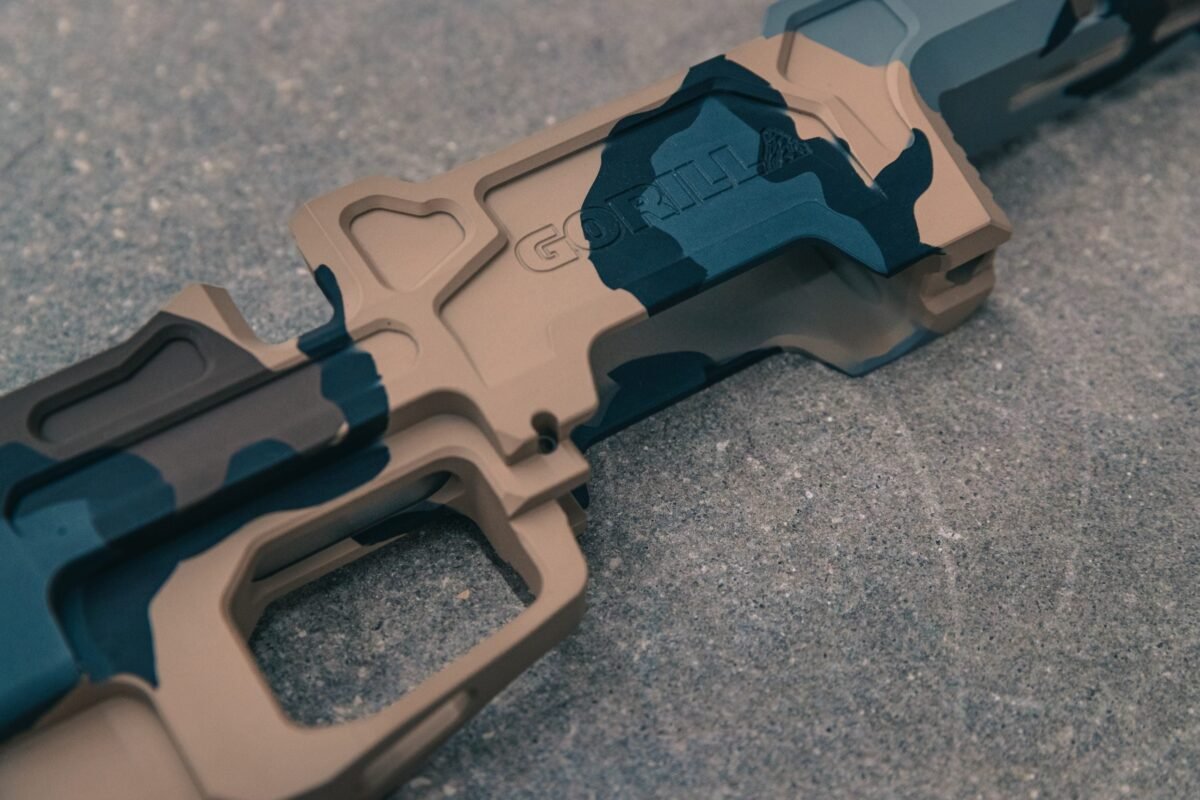
This is the most important practical difference in the 8.6 Blackout vs 300 Blackout decision and it’s often the deciding factor. 300 Blackout lives on the AR-15: lighter, shorter, cheaper, and something most shooters already own. Converting is a barrel swap, and the rifle stays compact — ideal for an SBR or pistol with a can up front.
8.6 Blackout requires the larger AR-10 (DPMS/SR-25-pattern) or a bolt action such as a Remington 700 or Savage 110. That means more weight, more size, and more cost — but also a stouter action better suited to the bigger .338 bore. If you already run an AR-10 or a .308-class bolt gun, 8.6 BLK is a natural add. If your safe is all AR-15s, 300 BLK is the path of least resistance.
Subsonic and suppressor performance
Suppressed shooting is where the 8.6 Blackout vs 300 Blackout comparison really comes alive. Both cartridges were born to be suppressed, and both are excellent at it. Subsonic 300 Blackout through a quality .30-cal can is one of the quietest, most pleasant centerfire experiences in shooting — low recoil, low report, low cost per round. It’s the benchmark a lot of shooters compare everything else to.
8.6 Blackout takes the same recipe and scales up the terminal effect. You still get subsonic, suppressor-friendly velocities, but with a 300gr .338 bullet that hits dramatically harder than a 220gr .308. For a suppressed hunting rifle where quiet and knockdown both matter, 8.6 BLK is the more capable tool. The 1:3 twist is the enabling technology here — without it, those heavy subsonic bullets wouldn’t stabilize. Pair either cartridge with the right can; many shooters source suppressors and accessories from our sister store blackoutammo.shop.
Hunting: which cartridge hits harder?
Hunting is where the 8.6 Blackout vs 300 Blackout debate gets interesting. For deer and hog hunting inside ~150–200 yards, 300 Blackout is a proven, ethical performer, especially with modern 110–130gr expanding supersonic loads. It’s enough gun for most medium game and it’s gentle to shoot.
For larger-bodied game, deeper penetration, or when you specifically want heavy subsonic terminal performance, 8.6 Blackout pulls ahead. The .338 bore and 300gr-class bullets deliver more momentum and a bigger wound channel, and the fast twist keeps long bullets stable for consistent expansion or fracturing. In short: 300 BLK is plenty for most hunters; 8.6 BLK is the choice when you want the biggest quiet hammer you can swing. Compare hunting-specific loads in our 8.6 Blackout ammo and 300 Blackout ammo collections.
Recoil, range and accuracy
Recoil is another clear split in the 8.6 Blackout vs 300 Blackout comparison, and it clearly favors 300 Blackout — it’s mild even in lightweight rifles, which makes it friendlier for new shooters and faster for follow-ups. 8.6 Blackout recoils more, as you’d expect from a heavier .338 bullet, though it’s still very manageable, particularly suppressed and in a heavier AR-10.
For effective range, supersonic 300 BLK is a 200–300 yard cartridge before it sheds energy quickly. 8.6 Blackout’s heavier, high-BC bullets retain energy better and, especially from a bolt gun, can stretch a bit further with authority. Both are inherently accurate when barreled correctly; the limiter is usually the shooter and the load, not the cartridge.
Ammunition availability and price
This is 300 Blackout’s biggest, most practical advantage. It’s made by virtually every major manufacturer, sold everywhere, and brass and components are abundant for reloaders. Prices range from affordable bulk supersonic plinking to premium hunting loads. You will never struggle to feed a 300 BLK.
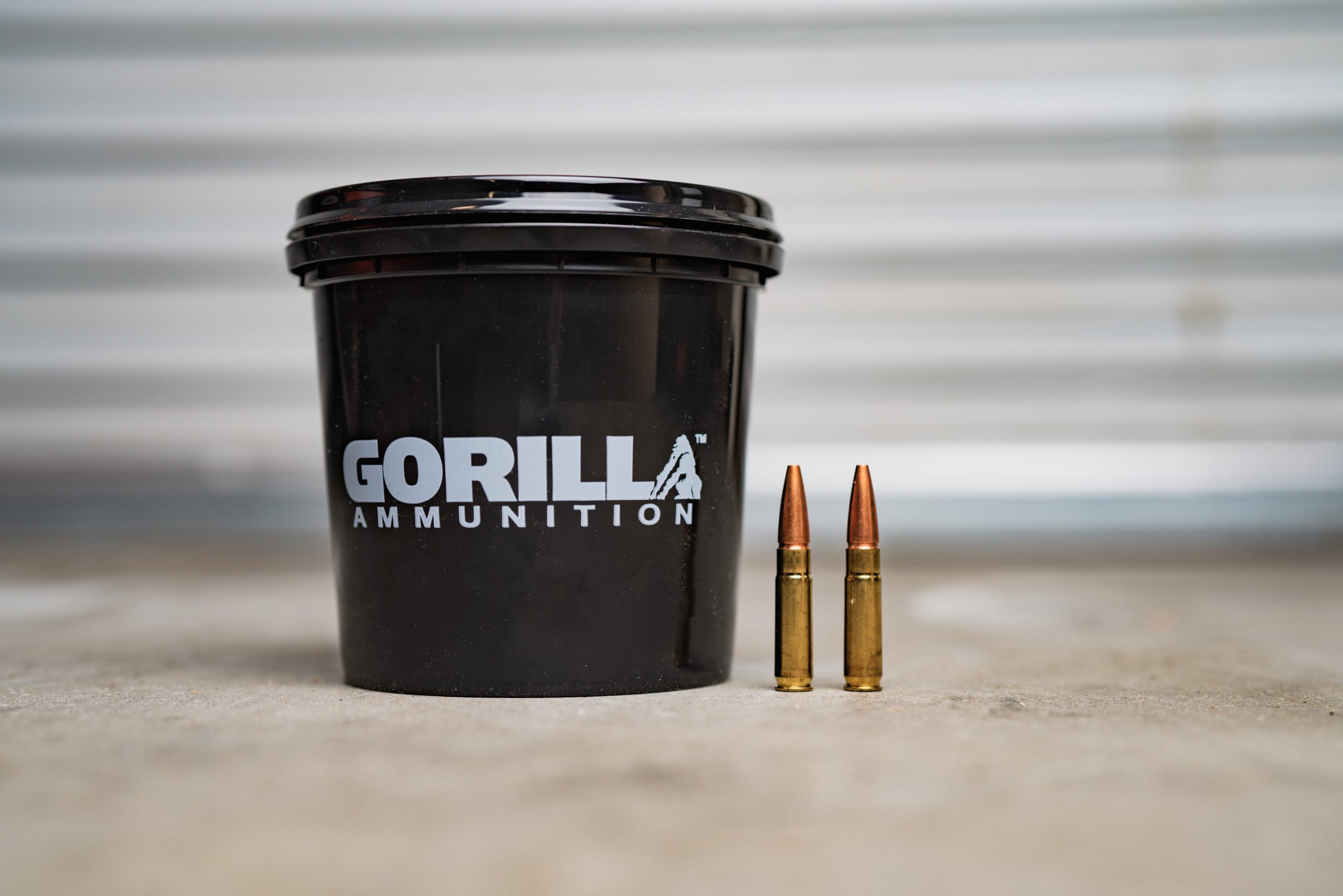
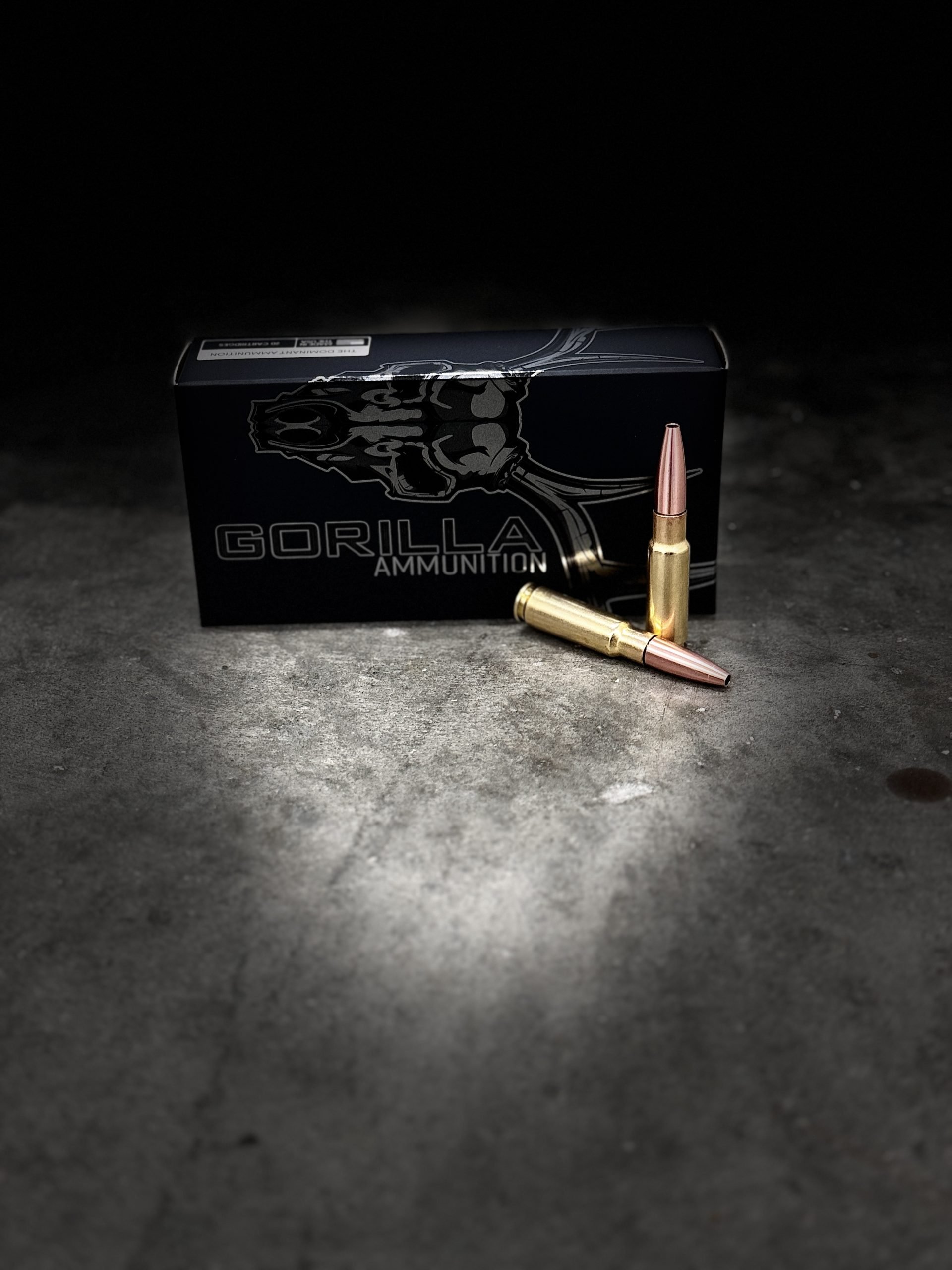
8.6 Blackout is newer and a specialty cartridge, so it costs more per round and is carried by fewer makers (Gorilla, Hornady, Discreet Ballistics and others are growing the offering). Availability has improved a lot but still trails 300 BLK. Factor ammo budget into your 8.6 Blackout vs 300 Blackout decision — the rifle is only half the cost of ownership. You can check live stock for both in our 8.6 Blackout ammo and 300 Blackout ammo pages, and across our sister store blackoutammo.shop.
So which should you choose?
So, after all of that, how should you settle the 8.6 Blackout vs 300 Blackout question for your own safe? There’s no universal winner in 8.6 Blackout vs 300 Blackout — only the right answer for your goals:
- Pick 300 Blackout for an affordable, versatile, suppressor-friendly AR-15 that handles defense, training and medium-game hunting with cheap, plentiful ammo.
- Pick 8.6 Blackout for a dedicated AR-10 or bolt-action built around maximum subsonic .338 energy for serious suppressed hunting — and you’re comfortable with a higher cost of entry.
Many serious shooters end up owning both: a 300 BLK for everyday suppressed shooting and an 8.6 BLK when they want the big quiet hammer.
Frequently asked questions
Is 8.6 Blackout just a bigger 300 Blackout?
Conceptually yes — same designer, same suppressed-heavy-bullet philosophy — but mechanically they’re different cartridges on different platforms. 8.6 Blackout is .338 caliber on the AR-10; 300 Blackout is .308 caliber on the AR-15.
Can I shoot 8.6 Blackout in a 300 Blackout rifle?
No. They are not interchangeable. They use different bullet diameters, cases, magazines and rifles. Always match ammunition to a firearm chambered for that exact cartridge.
Which is better for home defense?
In the 8.6 Blackout vs 300 Blackout home-defense question, 300 Blackout is the more common choice thanks to the compact, low-recoil AR-15 platform and wide ammo selection. 300 Blackout is the more common home-defense choice thanks to the compact, low-recoil AR-15 platform and wide ammo selection. 8.6 Blackout is built more for hunting and suppressed field use than close-quarters defense.
Does 8.6 Blackout need a special barrel twist?
Yes — the 1:3 twist is essential to stabilize its heavy subsonic .338 bullets, and it’s the cartridge’s defining engineering feature.
Is 8.6 Blackout worth it?
This is the heart of the 8.6 Blackout vs 300 Blackout value question. If you specifically want maximum subsonic terminal performance from an AR-10 or bolt action and you’ll use a suppressor, 8.6 Blackout is absolutely worth it — nothing else delivers a quiet 300gr .338 quite like it. If your needs are general-purpose, an AR-15 in 300 Blackout will save you money and feed more easily.
How much more does 8.6 Blackout ammo cost than 300 Blackout?
Expect to pay a clear premium for 8.6 Blackout because it’s newer and made by fewer manufacturers, while 300 Blackout benefits from mass production and deep competition. Always compare current pricing and stock before committing to a platform — ammo cost adds up fast over a rifle’s life.
Are 8.6 Blackout and 300 Blackout good for suppressors?
Both are outstanding suppressor cartridges — quiet, low-pressure and designed from day one for subsonic shooting. 8.6 Blackout simply delivers more energy on target at those same quiet velocities.
Buy 8.6 Blackout and 300 Blackout ammo
Whichever side of the 8.6 Blackout vs 300 Blackout debate you land on, Blackout Ammunition stocks genuine, in-stock loads for both. Shop 8.6 Blackout ammo and 300 Blackout ammo, review our shipping & delivery page for delivery details, or check the FAQ if you have questions before ordering. You’ll also find suppressors, components and related gear at our sister store, blackoutammo.shop.
Last updated: June 2026. You must be 21 or older to purchase rifle ammunition; it is the buyer’s responsibility to comply with all federal, state and local laws.
A question that follows this comparison constantly: can an existing 300 Blackout rifle be rebarrelled to 8.6? The short answer is no on an AR-15 and rarely worth it on a bolt gun, and our 8.6 Blackout conversions guide sets out exactly why, along with the starting cartridges that do convert cleanly.

Pingback: 8.6 Blackout vs 338 ARC: The Best Honest Comparison (2026)